The Seal of Pharaoh — The Meaning of the Ring Given to Joseph
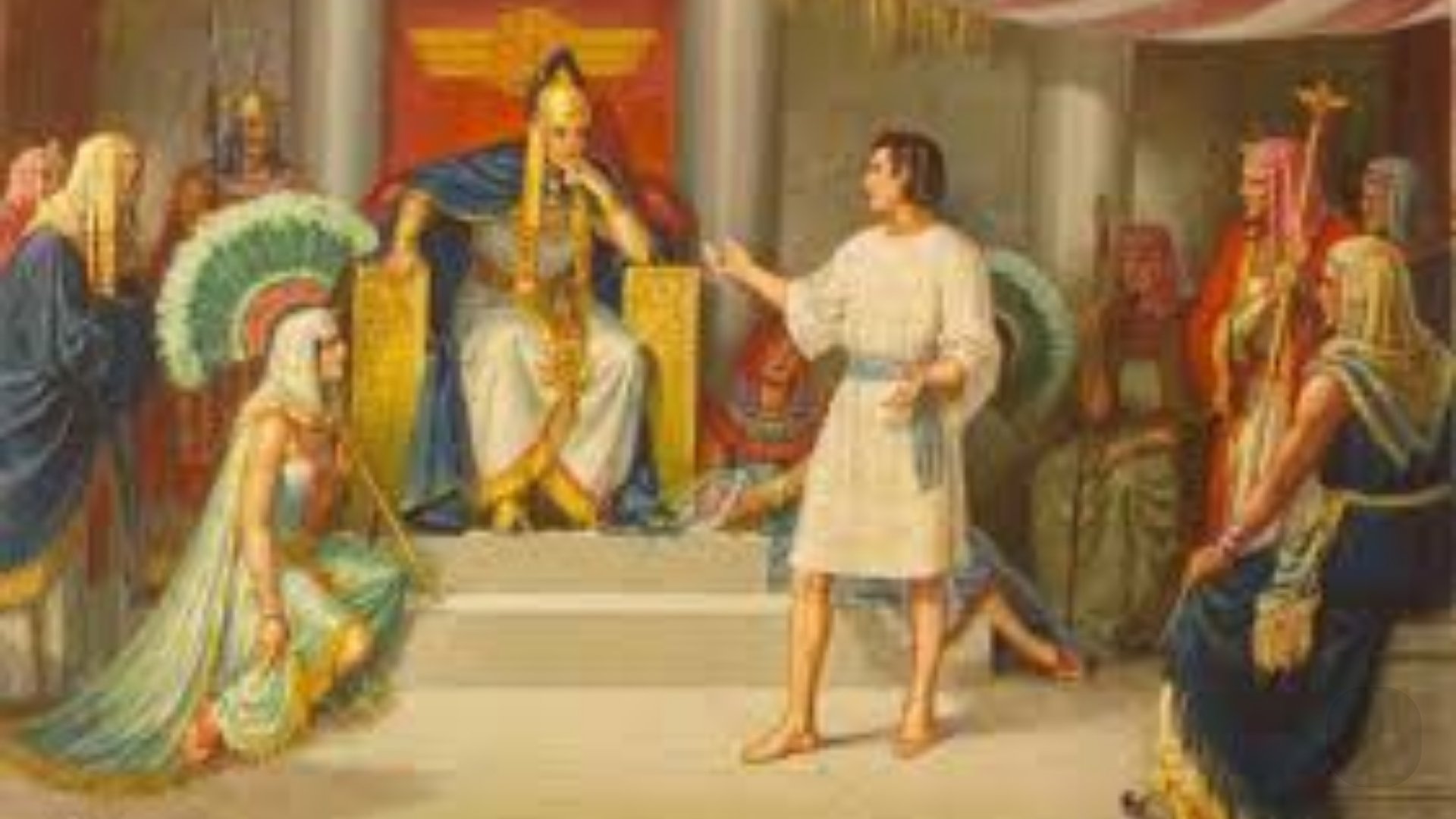
The moment Pharaoh removed his ring and placed it on Joseph’s hand was not a ceremonial gesture; it was a legal, prophetic, and governmental transfer of authority. In one act, a prisoner became a prime minister, a Hebrew slave became the administrator of Egypt’s destiny, and a dreamer became a ruler. Scripture records this moment with precision because it reveals how God legitimizes destiny through authority, not sympathy.
Genesis 41:42 says, “Then Pharaoh took his signet ring off his hand and put it on Joseph’s hand; and he clothed him in garments of fine linen, and put a gold chain around his neck.” Among all these actions, the ring is the most powerful symbol. Clothing speaks of identity, the chain speaks of honor, but the ring speaks of authority. The ring was the seal of Pharaoh.
In the ancient world, a signet ring carried the owner’s identity, power, and legal right. Whatever was sealed with that ring carried the same authority as the king himself. When Pharaoh gave Joseph the ring, he was not merely promoting him; he was saying, “Your word now carries my authority.” This aligns with Proverbs 22:29, which says a diligent man will stand before kings. Joseph did not rise because of connections; he rose because God prepared him for authority.
The seal of Pharaoh meant Joseph could issue decrees, open storehouses, command officials, and make decisions that affected the entire nation. Genesis 41:44 confirms this when Pharaoh said, “Without your consent no man may lift his hand or foot in all the land of Egypt.” This statement shows that Joseph’s authority was total, delegated, and uncontested. The seal made Joseph legally unstoppable.
Spiritually, this moment reveals a deep principle: God does not elevate people emotionally; He elevates them legally. Joseph did not receive pity; he received authority. Many pray for sympathy, but God prepares His servants for government. Romans 13:1 reminds us that all authority comes from God. Pharaoh’s ring was earthly, but the authority behind it was divine.
The ring also represents trust. Pharaoh did not supervise Joseph daily. He entrusted him with the nation’s survival. This trust was not built overnight. Joseph’s faithfulness in Potiphar’s house (Genesis 39:4), his integrity in temptation (Genesis 39:9), and his reliability in prison (Genesis 39:22–23) all prepared him for this moment. Luke 16:10 confirms this pattern: faithfulness in little precedes faithfulness in much.
The seal of Pharaoh also reveals identity shift. Once Joseph received the ring, his past labels lost power. Prisoner, slave, foreigner—none of these mattered anymore. Authority rewrote his narrative. Isaiah 62:2 speaks of receiving a new name given by the mouth of the Lord. When God seals a person, history bows to destiny.
This moment also foreshadows Christ and the believer’s authority. Just as Pharaoh gave Joseph his ring, God gives believers authority through Christ. Luke 10:19 records Jesus saying He gives authority over all the power of the enemy. Authority is not noise; it is legal standing. Ephesians 2:6 tells us believers are seated with Christ in heavenly places. Seating speaks of rule, not struggle.
Joseph’s seal did not remove responsibility; it increased it. Authority always attracts accountability. Joseph now had to manage famine, resources, and nations. This reveals that divine promotion is not escape from pressure; it is grace to govern pressure. Isaiah 9:6 says the government will be upon Christ’s shoulders—not as a burden, but as divine assignment. God equips those He appoints.
Another critical truth is that Pharaoh’s seal overrode Joseph’s background. Egypt did not care about Joseph’s lineage once the ring was on his hand. Authority silences accusation. Revelation 12:10 says the accuser is cast down. When God seals a person, voices from the pit lose credibility.
The seal also speaks of timing. Joseph’s dreams did not mature until authority was given. Dreams without authority remain visions; dreams with authority become policy. Habakkuk 2:3 reminds us that visions wait for the appointed time. God never releases authority before maturity, because premature authority destroys destiny.
The ring further represents representation. Joseph did not rule Egypt for himself; he ruled on Pharaoh’s behalf. This mirrors the believer’s calling. 2 Corinthians 5:20 says we are ambassadors for Christ. Ambassadors do not speak personal opinions; they speak on behalf of the one who sent them. Joseph’s seal meant his words were no longer personal—they were governmental.
Finally, the seal of Pharaoh points to God’s sealing work in the believer. Ephesians 1:13–14 says believers are sealed with the Holy Spirit as a guarantee of inheritance. A seal marks ownership, protection, and authority. Just as Pharaoh’s seal validated Joseph, God’s seal validates His people. What God seals, no enemy can invalidate.
Joseph did not fight his way into power.
He was sealed into it.
He did not argue for relevance.
He was authorized into influence.
And when the seal was placed on his hand,
the prison lost its voice,
the past lost its grip,
and destiny gained legal right.
The seal of Pharaoh teaches us this enduring truth:
When God is ready, He gives authority that no history can deny.