
The Overshadowing Anointing (Recreational Anointing)
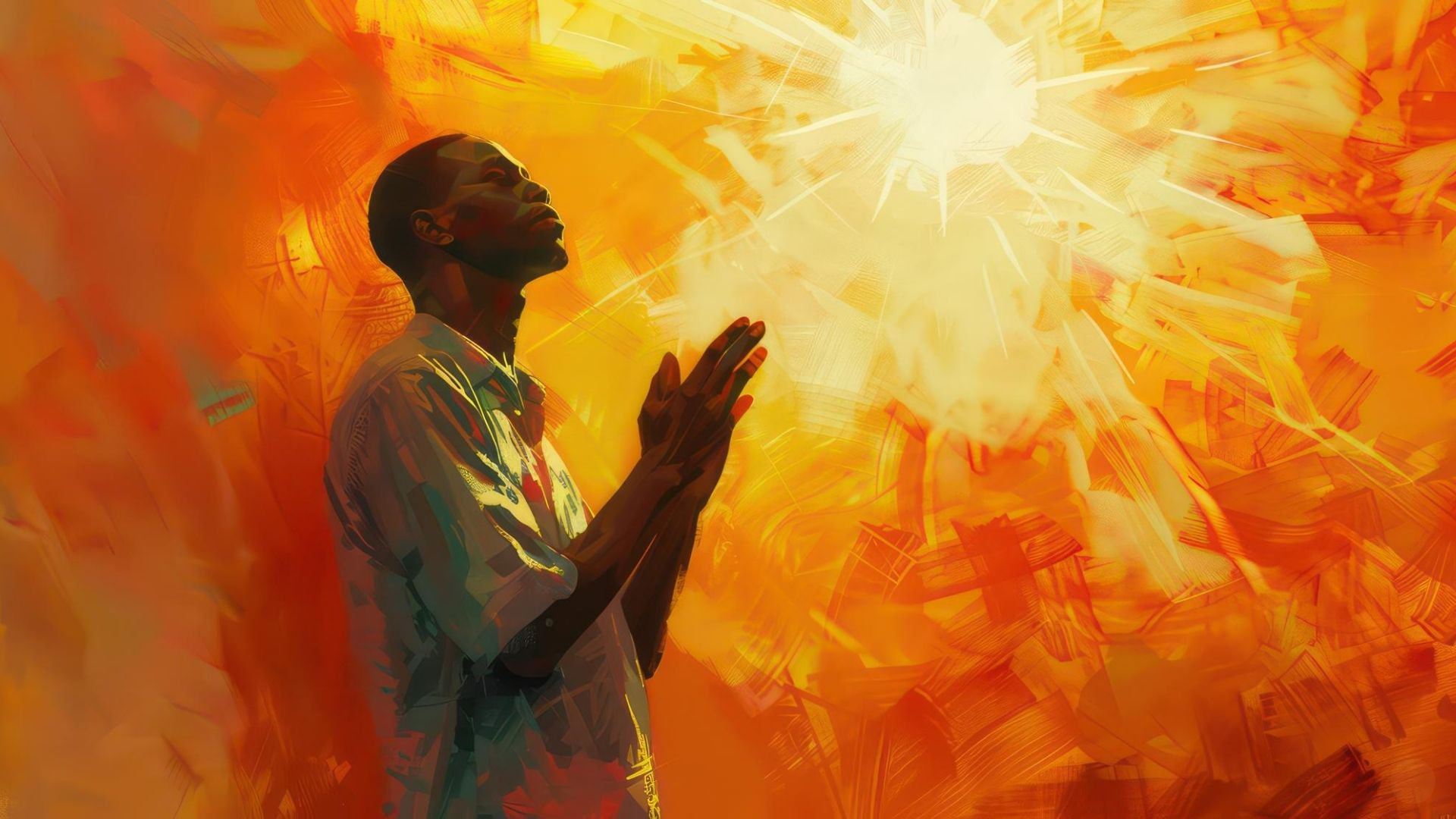
The overshadowing anointing is the work of God’s Spirit that does not merely empower—but recreates. It is not limited to gifting, service, or assignment. It is the anointing that reforms what was broken, restores what was lost, and repositions what was displaced. This anointing does not decorate the old; it births the new. Scripture reveals it as God’s response when human strength ends and divine intervention begins.
The first mention of this anointing appears at creation itself. “The earth was without form and void… and the Spirit of God was hovering over the face of the waters” (Genesis 1:2). Before God spoke light, order, and life, the Spirit overshadowed chaos. This hovering was not passive. It was pregnant with intention. The Spirit’s presence signaled that something new was about to be formed. This is the earliest revelation of the recreational anointing—the Spirit brooding over disorder to bring forth creation.
Overshadowing always precedes divine formation. When God overshadows, He is not repairing the old framework; He is initiating a new reality. This is why recreation is the right word. God does not always improve circumstances—sometimes He replaces them. “If anyone is in Christ, he is a new creation” (2 Corinthians 5:17). Salvation itself is the ultimate act of recreational anointing. The old life does not evolve; it ends. A new life begins.
The clearest New Testament picture of the overshadowing anointing is found in Luke 1:35, when the angel tells Mary, “The Holy Spirit will come upon you, and the power of the Highest will overshadow you.” This moment reveals a mystery that cannot be explained by human logic. Mary did not strive, plan, or perform. She yielded. Overshadowing produced conception. The recreational anointing creates without human contribution. Where effort ends, grace begins.
This teaches us something critical: the overshadowing anointing is not activated by skill, experience, or preparation—it is activated by availability and surrender. Mary’s response, “Let it be to me according to Your word” (Luke 1:38), was alignment, not effort. Overshadowing comes where obedience meets trust.
The recreational anointing also appears in moments of divine restoration. David prayed, “Create in me a clean heart, O God” (Psalm 51:10). He did not ask God to repair his heart; he asked God to create a new one. Creation language again. This reveals that some failures cannot be managed—they must be replaced. Overshadowing restores what discipline alone cannot fix.
Jesus demonstrated this anointing repeatedly. When He healed the sick, raised the dead, and restored the broken, He was not just correcting conditions—He was recreating life. When He stood at Lazarus’ tomb and called him forth (John 11), death did not negotiate. Overshadowing authority reintroduced life where it had exited. Romans 8:11 later confirms this power, saying the Spirit who raised Jesus from the dead gives life to mortal bodies. This is recreational anointing at work.
This anointing is also deeply connected to transition seasons. Overshadowing often happens when a person stands between what was and what will be. Israel experienced this at the Red Sea. The Spirit of God moved between Israel and Egypt, creating separation and passage (Exodus 14:19–22). What was an obstacle became a doorway. Overshadowing changes geography, atmosphere, and outcome simultaneously.
Recreational anointing also addresses wasted years. Joel 2:25 records God’s promise to restore the years eaten by destruction. Restoration here is not compensation—it is recreation of time’s effect. God does not rewind time; He redeems it. Overshadowing compresses seasons and accelerates fulfillment. What took years to lose can be restored suddenly.
The overshadowing anointing is not noisy. It is often quiet, deep, and inward before it becomes visible. Elijah did not find God in the wind, earthquake, or fire, but in a still small voice (1 Kings 19:12). Overshadowing does not always announce itself with drama. It settles, forms, and then reveals. This is why many miss it—they are looking for power when God is releasing process.
This anointing also works in identity. Gideon saw himself as weak, but God overshadowed him with a new name—mighty man of valor (Judges 6:12). God did not wait for Gideon to change; He declared a new identity first, then formed the man to match it. Overshadowing calls what is not as though it were (Romans 4:17).
In the believer’s life today, the recreational anointing operates through the Holy Spirit. Titus 3:5 calls it the washing of regeneration and renewal. Renewal is not adjustment; it is re-creation. This anointing renews minds, heals emotions, restores calling, and realigns destiny. Where burnout has drained strength, overshadowing restores joy. Where trauma fractured trust, overshadowing restores wholeness.
This anointing also explains why some breakthroughs do not come gradually but suddenly. When God overshadows, outcomes accelerate. Pentecost is a prime example. The disciples waited, prayed, and aligned—but the Spirit came suddenly (Acts 2:2). Fear was replaced with boldness. Confusion was replaced with clarity. Weakness was replaced with power. That was not improvement; that was recreation.
The danger is trying to perform without overshadowing. Human effort without divine covering produces exhaustion. Zechariah 4:6 reminds us that transformation does not come by might or power, but by the Spirit of the Lord. When overshadowing is absent, striving increases. When overshadowing is present, grace carries the work.
Overshadowing anointing also protects. Psalm 91 speaks of abiding under the shadow of the Almighty. Shadow language again. To dwell under God’s shadow is to live under His covering, authority, and care. Overshadowing is not only creative—it is defensive. It shields while it forms.
Ultimately, the recreational anointing reveals God’s heart: He is not committed to maintaining what is broken. He is committed to making all things new. Revelation 21:5 declares this clearly. God’s solution is not patchwork—it is new creation.
If you are standing in a place of emptiness, delay, loss, or confusion, Scripture offers hope. Chaos is not disqualification. It is often the environment where the Spirit begins to hover again.
When the Spirit overshadows,
dead things receive life,
wounded hearts are renewed,
lost purpose is reformed,
and futures are rewritten.
The overshadowing anointing does not ask, “What do you have?”
It declares, “I will create what is missing.”
And when God overshadows a life,
what follows is not survival—
it is new creation.