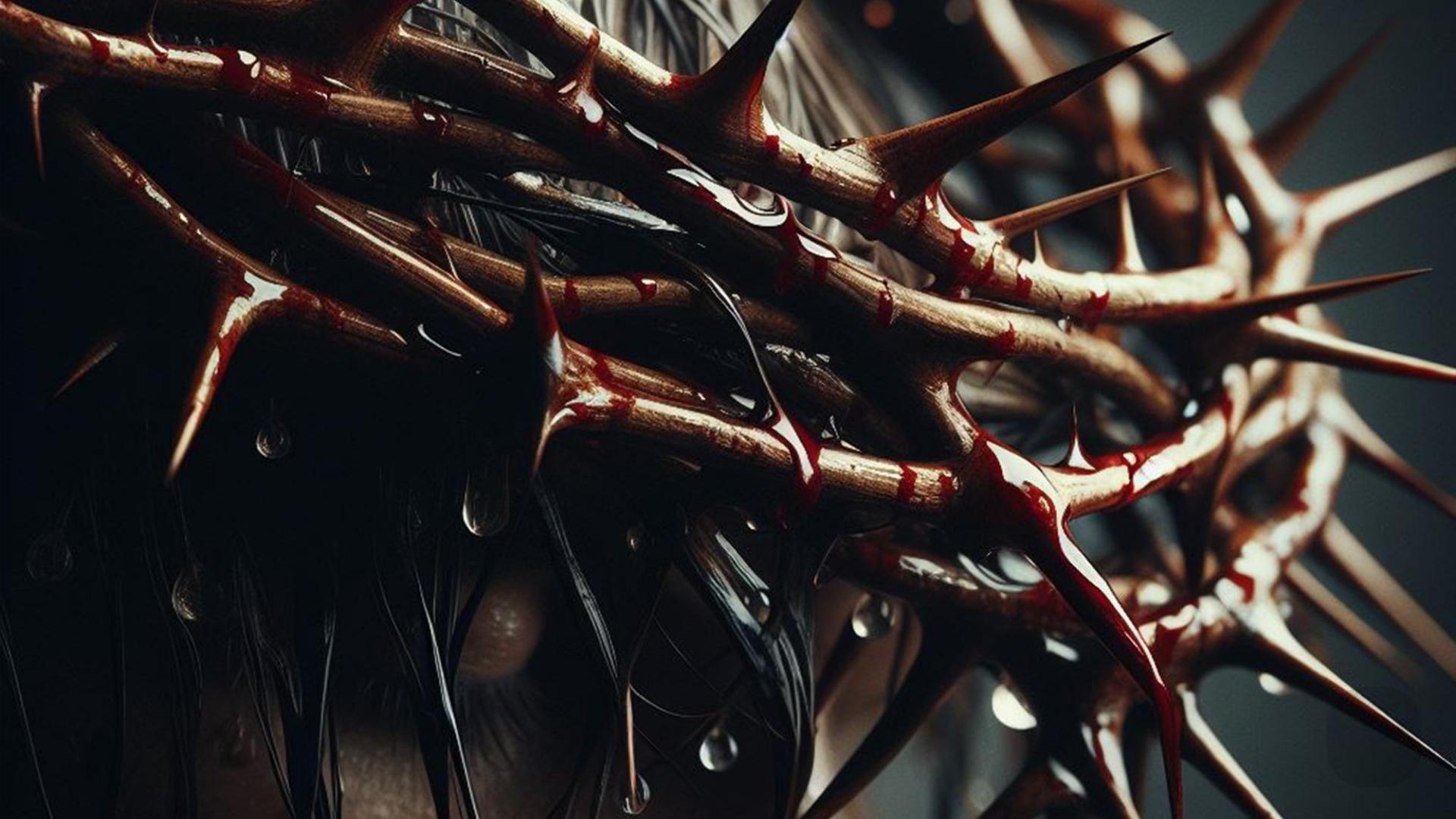

Speak Good Things — Prophecy on Dry Bones
There are moments in life when silence feels safer than speech. When situations look dead, exhausted, or beyond repair, words feel useless. Yet Scripture reveals a truth that confronts our instincts: God often begins restoration not with action, but with speech. In Ezekiel 37, God brings the prophet into a valley full of dry bones and asks a question that exposes both human limitation and divine intention: “Son of man, can these bones live?” (Ezekiel 37:3). The question was not about the bones. It was about whether Ezekiel understood the power of speaking in alignment with God.
Dry bones represent conditions that have lost life, moisture, hope, and structure. They are not just dead; they are very dry. This speaks of prolonged delay, repeated disappointment, and seasons where even memory of life has faded. God deliberately led Ezekiel into the valley. This tells us that not every dry place is accidental. Some valleys are classrooms, not punishments.
Ezekiel answered wisely, “O Lord God, You know.” He did not deny reality, but he also did not limit God. Faith does not ignore facts; it submits them to divine authority. Then God gave an unexpected instruction: “Prophesy to these bones.” God did not tell Ezekiel to cry, analyze, or complain. He told him to speak. This reveals a foundational spiritual principle: God restores many things through spoken agreement with His word.
Prophecy here was not prediction; it was obedient declaration. Ezekiel was commanded to speak life into what looked lifeless. The bones did not ask to be prophesied to. They did not show signs of response first. Speech preceded evidence. Romans 4:17 later echoes this principle, describing God as the One who calls things that do not exist as though they did. When believers speak good things according to God’s word, they are not lying—they are legislating faith.
As Ezekiel spoke, there was a sound. Scripture says there was a rattling, and the bones came together. Notice that life did not come instantly. Order came first. Structure returned before breath entered. This teaches us that when we speak good things, progress may be noisy before it is complete. Do not be discouraged by movement without fullness. Noise means God is working.
Yet the bones were still lifeless. They had form but no breath. This reveals another truth: structure without Spirit is still incomplete. God then instructed Ezekiel to prophesy again—this time to the breath. Restoration often requires persistence in speaking. One word may align structure; another releases breath. Galatians 6:9 reminds us not to grow weary in doing good, because harvest comes in due season.
When the breath entered, the bones became a mighty army. What was once scattered and dry became organized and powerful. This is God’s nature. He does not just restore to survival; He restores to purpose and strength. Joel 2:25 confirms this when God promises to restore years lost to destruction. God does not restore partially; He restores redemptively.
The prophetic weight of this passage is immense. God Himself explains the vision, saying the bones represent a people who say, “Our hope is lost” (Ezekiel 37:11). Dry bones talk. And what they say reveals their condition. God counters their confession with His own declaration. This shows us that what we say in dry seasons matters deeply. Proverbs 18:21 tells us life and death are in the power of the tongue. Silence may feel neutral, but agreement with despair empowers dryness.
Speaking good things does not mean denying pain. Ezekiel stood in the valley and acknowledged the dryness. But he refused to let the bones define the outcome. Faith-filled speech is not optimism; it is alignment with God’s intention. Jesus demonstrated this when He spoke to Lazarus’ tomb (John 11). Death did not respond to emotion; it responded to authority-filled words.
The prophecy to dry bones also reveals that God involves humans in His restorative work. God could have spoken directly to the bones, but He chose Ezekiel. This shows that God partners with human voices. When believers speak God’s word into hopeless situations, they participate in divine restoration. This is why preaching, prayer, and declaration matter. Heaven often moves when earth agrees.
There is also a personal dimension to this prophecy. Dry bones are not always external circumstances; sometimes they are internal conditions—burnout, disappointment, delayed promises, wounded faith. David prayed, “Restore my soul” (Psalm 23:3), acknowledging that inner dryness needs divine speech. Speaking good things to your own soul is biblical. David often spoke to himself, saying, “Why are you cast down, O my soul? Hope in God” (Psalm 42:5).
Speaking good things does not manipulate God; it aligns us with Him. Isaiah 55:11 declares that God’s word will not return void. When we speak His word, we release what He has already authorized. Faith does not create power; it cooperates with it.
The enemy understands the danger of a believer who speaks rightly. This is why accusation, discouragement, and silence are strategic weapons. If the enemy can stop your voice, he delays your breakthrough. Jesus said in Mark 11:23 that whoever speaks to the mountain and does not doubt will see movement. Mountains respond to speech rooted in faith, not emotion.
The final image in Ezekiel 37 is not bones, but a standing army. This reveals God’s ultimate goal. He is not just reviving individuals; He is raising people who can stand, function, and advance. Dry seasons do not disqualify you from future usefulness. They often prepare you for it.
If you are standing in a valley today, the instruction has not changed. God still asks, “Can these bones live?” And heaven still waits for agreement.
Speak good things—not because the situation looks good, but because God is good.
Speak life—not because you feel strong, but because His word is powerful.
Speak hope—not because evidence supports it, but because promise demands it.
When you speak as God instructs,
sound will come,
order will return,
breath will enter,
and what was dry will stand again.
The valley is not the end.
The bones are not the verdict.
The word spoken in faith is.