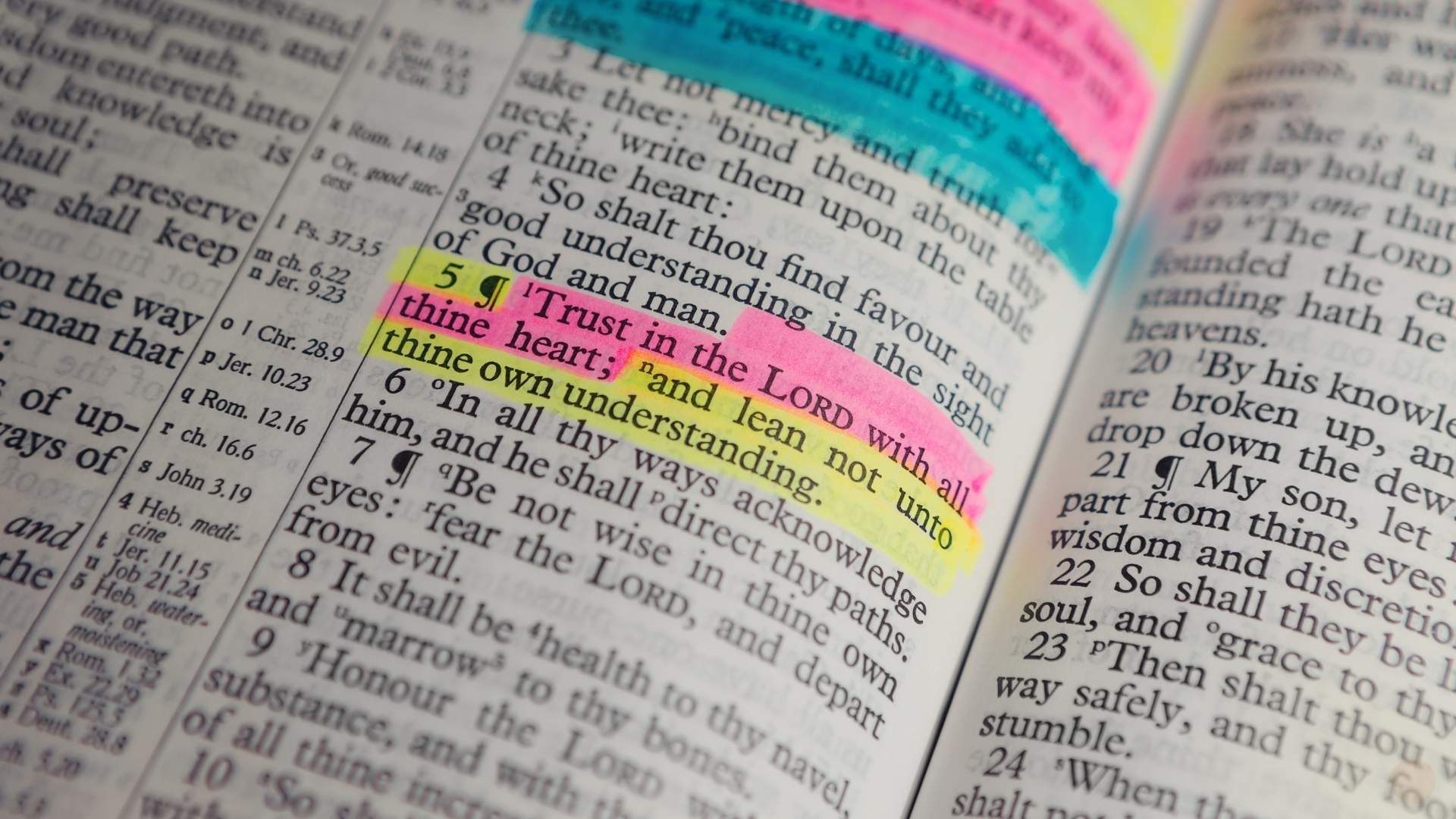

Divine Credits
Divine credits are the unseen deposits God places on a person’s life through covenant, obedience, sacrifice, mercy, and alignment with His will. They are not earned the way salaries are earned, and they are not spent the way money is spent. Divine credits operate in the realm of righteousness, remembrance, and divine timing. They are heaven’s record of faithfulness, often invisible on earth until the moment God decides to redeem them.
Scripture reveals clearly that God keeps accounts. Not accounts driven by greed or transaction, but by justice and covenant faithfulness. Malachi 3:16 says a book of remembrance was written before the Lord for those who feared Him and honored His name. This tells us something profound: God does not forget obedience, even when it looks unrewarded. Divine credits accumulate quietly while seasons pass noisily.
Many believers struggle because they measure life only by immediate outcomes. But God works with long memory. Hebrews 6:10 assures us that God is not unjust to forget our work and labor of love. When God says He will not forget, it implies that forgetting was never an option. Divine credits are stored in God’s justice, not human visibility.
Abraham is a clear example of divine credits at work. God promised him a son, yet fulfillment delayed for years. But Abraham’s obedience—leaving his father’s house, building altars, believing against hope—kept accruing divine credit. Romans 4:20–22 says his faith was accounted to him as righteousness. Accounted is a ledger term. God credited Abraham’s faith long before Isaac was born. When the time came, fulfillment was not forced—it was released.
Joseph’s life also reveals this truth. Years of integrity in slavery and prison seemed unrewarded. Yet Genesis 41 shows a sudden reversal. In one day, Joseph moved from prisoner to prime minister. This was not luck. It was credit redemption. Psalm 105:19 says the word of the Lord tested Joseph until the appointed time. Divine credits mature silently until timing aligns.
Divine credits are often formed in hidden obedience. Jesus taught that what is done in secret is rewarded openly (Matthew 6:4). Secret faithfulness builds public authority. Heaven’s economy is opposite of earth’s: visibility is not value; obedience is. Many people chase platforms while neglecting process, unaware that platforms without credit collapse quickly.
Suffering endured righteously also builds divine credit. Scripture never treats righteous suffering as wasted. 1 Peter 2:19 says enduring grief while suffering unjustly finds favor with God. Favor here is not emotional sympathy—it is divine acknowledgment. God records endurance as investment. Job’s restoration came after prolonged loss, but Job 42:10 shows God restoring him double. The double was not generosity alone; it was justice responding to stored credit.
Prayer and intercession also build divine credits. Cornelius’ prayers and alms ascended as a memorial before God (Acts 10:4). Memorial language again reveals heavenly accounting. Cornelius’ breakthrough did not begin the day the angel appeared; it began long before, when heaven took notice. When divine credits reach fullness, visitation follows.
Divine credits can also be transferred generationally. God blessed Israel because of Abraham, Isaac, and Jacob long after they were gone (Exodus 2:24). David’s obedience preserved Solomon. One generation’s faith can subsidize another’s future. This is why covenant matters. God honors lineage not because of blood alone, but because of faith remembered.
However, Scripture also shows that divine credits can remain unused if alignment is lost. Saul had divine credit—anointing, opportunity, favor—but disobedience depleted access. God did not erase Saul’s history; He terminated his future authority. This teaches us that credits are not licenses for rebellion. Grace sustains credit; pride forfeits it.
The greatest revelation of divine credits is found in Christ Himself. Jesus lived sinlessly, obeyed fully, suffered unjustly, and fulfilled righteousness. Philippians 2 says because of this, God highly exalted Him. Exaltation followed obedience. Jesus’ resurrection and authority were not arbitrary—they were earned through perfect obedience, then freely shared with believers.
Through Christ, believers now operate with shared divine credit. Romans 5:17 says those who receive abundance of grace and the gift of righteousness reign in life. Righteousness is credited to believers (2 Corinthians 5:21). This is the ultimate divine credit—standing before God as justified, not by works, but by faith. Every prayer, every obedience, every sacrifice now rests on that foundation.
Divine credits do not eliminate waiting; they explain it. Delay does not mean denial. It often means accumulation. Ecclesiastes 3 reminds us there is a time for everything. When the time comes, release is sudden because preparation was long.
If life feels unfair, unanswered, or overlooked, Scripture invites a deeper perspective. God may be building your account, not ignoring your cries. Heaven’s silence is not absence; it is often administration.
Divine credits teach us this truth:
Nothing done in faith is ever wasted.
Nothing endured in righteousness is ever ignored.
Nothing surrendered to God is ever forgotten.
When the season changes,
when timing aligns,
when God says “now”—
what looked like delay
will reveal itself as divine investment.
And what heaven credited quietly
will manifest boldly
in God’s perfect time.