
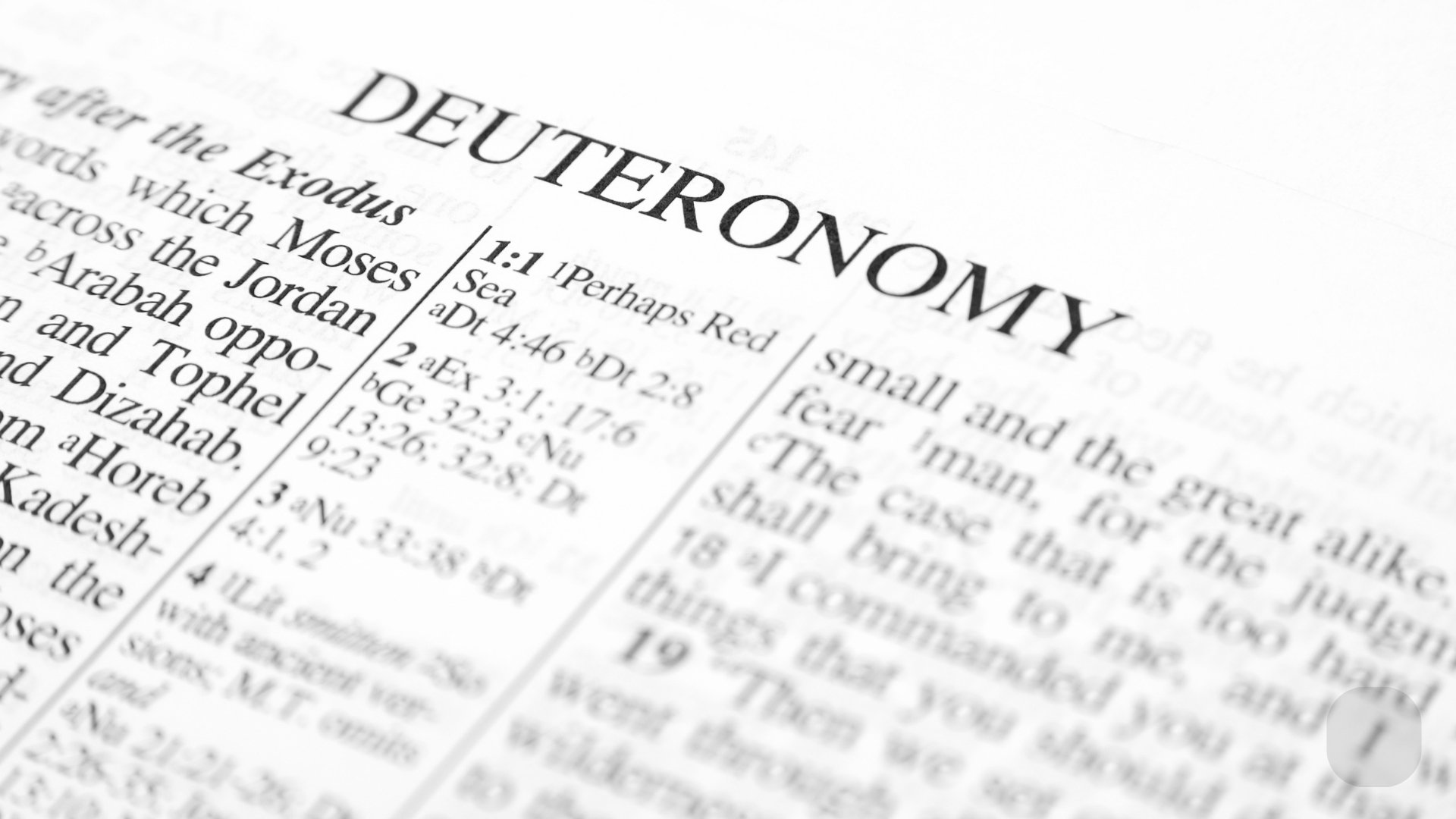
Deuteronomy 28 — The Power of Obedience and the Weight of Choice
Deuteronomy 28 is one of the most sobering and revealing chapters in the Bible. It does not whisper; it announces. It lays before humanity a spiritual law that governs outcomes: obedience releases blessing, and disobedience opens the door to consequences. This chapter is not about fear—it is about clarity. God speaks plainly so that no one misunderstands how covenant life functions.
Moses delivered Deuteronomy 28 at a critical moment. Israel stood at the edge of promise, about to enter the land God swore to Abraham. What they needed most was not strength, strategy, or numbers—they needed alignment. Deuteronomy 28 explains what alignment produces and what misalignment costs.
The chapter opens with unmistakable certainty: “Now it shall come to pass, if you diligently obey the voice of the Lord your God… that the Lord your God will set you high above all nations of the earth” (Deuteronomy 28:1). Blessing is not random. It is connected to hearing and obeying God’s voice. Obedience here is not partial or emotional; it is diligent and intentional. God ties elevation to alignment, not ambition.
Blessings in this chapter are comprehensive. They touch every dimension of life—city and field, womb and ground, basket and kneading bowl, going out and coming in (Deuteronomy 28:3–6). This reveals that God’s blessing is holistic, not spiritual-only. God cares about daily life, productivity, family, health, stability, and influence. Covenant blessing is not escape from the world; it is divine order within it.
One of the most powerful revelations in Deuteronomy 28 is that blessing is attracted, not chased. Verse 2 says, “All these blessings shall come upon you and overtake you.” Blessings pursue obedience. When alignment is right, effort decreases and grace increases. This does not eliminate work; it removes struggle. Psalm 127:1 later echoes this truth—unless the Lord builds the house, labor is vain.
The chapter also reveals that obedience establishes authority. God promises that enemies who rise against Israel will be defeated and scattered (Deuteronomy 28:7). Authority is not loud dominance; it is covenant-backed standing. When God is honored, resistance loses coordination. Proverbs 16:7 affirms that when a man’s ways please the Lord, even his enemies are at peace with him.
Provision is another major theme. God promises to command blessing on storehouses and bless the work of hands (Deuteronomy 28:8). Notice the word command. Blessing is not asked for here—it is enforced by covenant. Where obedience exists, heaven issues instructions on behalf of the believer. This is echoed in Psalm 133, where God commands blessing where unity is found.
Deuteronomy 28 also introduces the idea of distinctiveness. God promises Israel would be seen as a people called by His name (verse 10). Covenant blessing is not hidden. It becomes visible testimony. Jesus later affirmed this when He said believers are the light of the world (Matthew 5:14). Obedience turns lives into evidence.
But the chapter does not stop at blessing. From verse 15 onward, the tone shifts dramatically. “But it shall come to pass, if you do not obey…” Consequences are not threats; they are warnings. God explains what happens when His order is violated. Just as blessings overtake obedience, consequences pursue disobedience. This is not cruelty—it is spiritual law.
The curses listed are not random punishments; they are reversals of blessing. Where there was fruitfulness, barrenness appears. Where there was protection, vulnerability enters. Where there was clarity, confusion reigns. This reveals a critical truth: disobedience does not create new realities; it removes covering, allowing disorder to surface. Hosea 4:6 later confirms this when God says His people perish for lack of knowledge.
One of the most painful revelations in Deuteronomy 28 is that persistent disobedience affects not just individuals, but systems and generations. Economic hardship, sickness, defeat, fear, and exile are described. These outcomes are not immediate; they escalate. This teaches us that ignoring God’s voice does not always produce instant collapse—it produces gradual erosion. Drift is more dangerous than rebellion because it feels slow and manageable.
Yet even in judgment language, God’s heart is visible. The purpose is repentance and return, not destruction. Deuteronomy 30 follows with a promise of restoration when hearts turn back to God. This shows that Deuteronomy 28 is not the end of the story—it is part of a covenant conversation. God warns because He desires life. Moses later says plainly, “I have set before you life and death… therefore choose life” (Deuteronomy 30:19).
The New Testament does not cancel Deuteronomy 28; it fulfills it in Christ. Jesus bore the curse of the law on the cross (Galatians 3:13) so that believers could receive the blessing of Abraham. This does not remove the principle of obedience—it redeems it. Obedience now flows from relationship, not fear. Blessing flows from grace, not legalism.
Jesus summarized Deuteronomy 28 when He said, “If you love Me, keep My commandments” (John 14:15). Obedience is still central, but it is empowered by the Holy Spirit. Romans 8 explains that the law of the Spirit of life frees believers from the law of sin and death. The curse is broken, but alignment still matters.
Deuteronomy 28 ultimately teaches responsibility. God does not treat humans as victims of fate. He treats them as participants in covenant. Choices matter. Hearing God’s voice matters. Obedience matters. Not because God is harsh, but because He is holy and orderly.
This chapter also exposes a modern misunderstanding of blessing. Blessing is not comfort without obedience. It is not success without surrender. It is not grace without transformation. True blessing produces humility, gratitude, and obedience—not pride or independence.
Deuteronomy 28 confronts believers with a serious but hopeful truth: life responds to alignment. God is not distant. He is involved. He speaks, He warns, He promises, and He restores. When His voice is honored, life flourishes. When His order is ignored, confusion grows.
The chapter leaves us with a timeless revelation:
Obedience is not bondage—it is protection.
Blessing is not luck—it is covenant.
Consequences are not cruelty—they are correction.
God still sets before humanity blessing and cursing, life and death.
And He still urges the same choice.
Choose life.
Choose obedience.
Choose covenant.
Because where God’s voice is honored,
blessing does not struggle to find you—
it overtakes you.