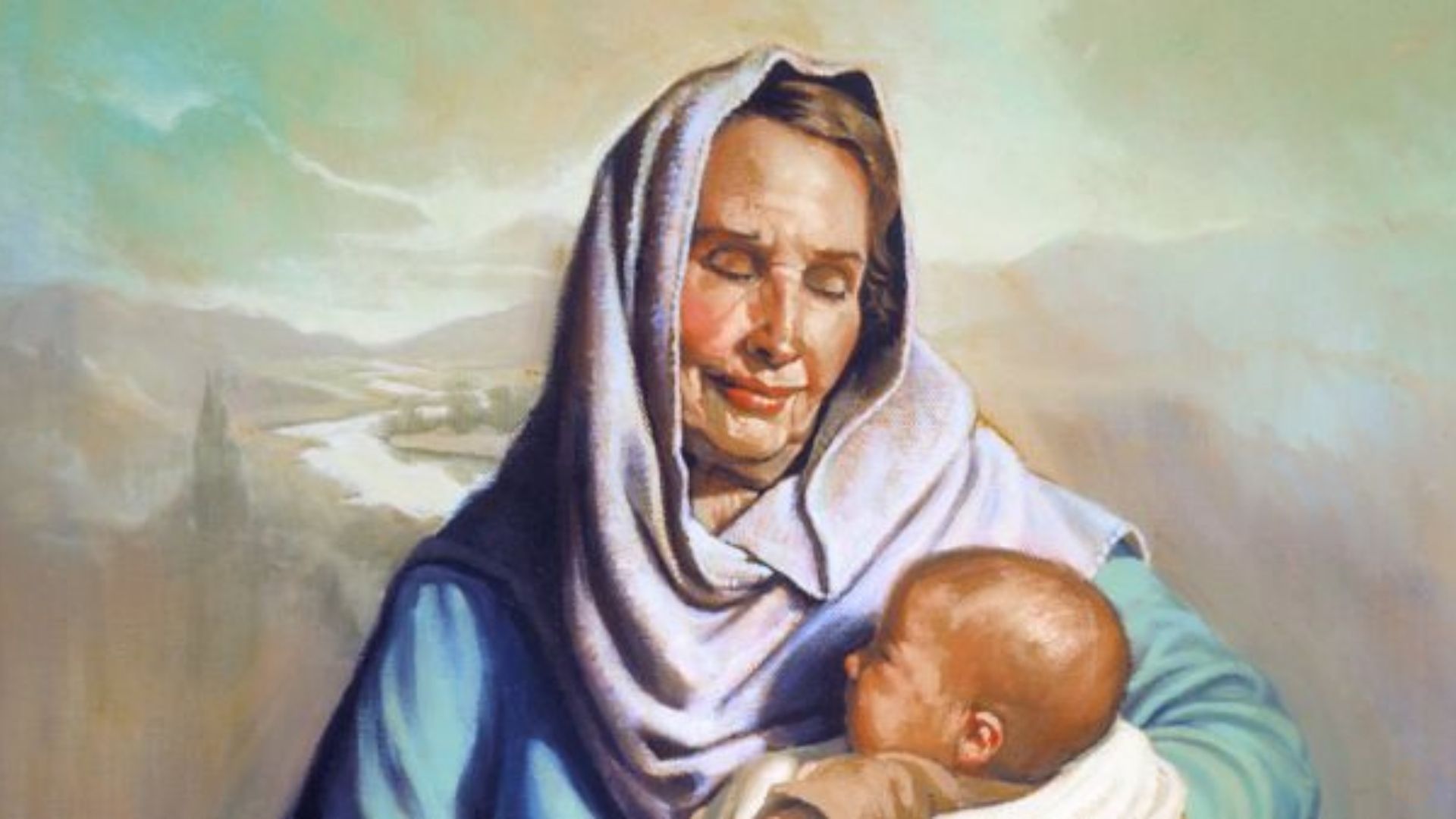

“For signs and wonders”
“For signs and wonders” is not a slogan; it is a divine intention. In Scripture, signs and wonders are not random displays of power or moments of spiritual excitement. They are God’s language to humanity, revealing His presence, confirming His word, and redirecting hearts back to Himself. When God moves through signs and wonders, He is not entertaining—He is revealing.
From the beginning, God introduced Himself through acts that could not be ignored. Creation itself was the first sign and wonder. “The heavens declare the glory of God” (Psalm 19:1). Before there were prophets or written Scripture, there were wonders that testified that God is alive, intentional, and sovereign. Signs and wonders are God’s way of making the invisible undeniable.
In Exodus, signs and wonders became instruments of deliverance and judgment. God told Moses, “I will stretch out My hand and strike Egypt with all My wonders” (Exodus 3:20). These wonders were not merely against Pharaoh; they were revelations to Israel. God was distinguishing Himself from false gods and revealing His authority over nature, systems, and power. Signs and wonders exposed lies and reestablished truth.
This pattern continues throughout Scripture. When Elijah called fire from heaven, it was not to prove his gifting—it was to answer the question, “Who is God?” (1 Kings 18:36–39). The fire was the sign; repentance was the goal. Wonders are never ends in themselves. They are pointers, directing attention beyond the act to the Actor.
In the New Testament, signs and wonders reach their clearest expression in Jesus Christ. Acts 2:22 describes Jesus as a man attested by God through miracles, wonders, and signs. Jesus did not separate teaching from power. His words carried authority, and His actions confirmed truth. When He healed the sick, raised the dead, and calmed storms, He was revealing the nature of the Kingdom of God—a kingdom where sickness, death, and chaos do not rule.
Jesus also revealed that signs and wonders flow from compassion, not performance. When He healed, Scripture often says He was moved with compassion (Matthew 14:14). Power flowed because love was present. This is critical. Where love is absent, power becomes dangerous. Signs and wonders without God’s heart produce confusion. But when love leads, miracles restore order.
After the resurrection, Jesus made a profound statement: “These signs will follow those who believe” (Mark 16:17). He did not say signs would replace faith, nor that signs would lead people who refuse truth. Signs follow belief. This reveals an important order: faith attracts power; power confirms faith. When signs are pursued without belief and obedience, imbalance follows.
The book of Acts shows signs and wonders functioning as confirmation of the gospel, not substitutes for it. Acts 5:12 records many signs and wonders done through the apostles, and Acts 14:3 says God granted signs and wonders to bear witness to the word of His grace. The Word came first; wonders followed. God never detaches power from truth. Signs authenticate the message, not the messenger.
There is also a prophetic dimension to signs and wonders. Joel 2:30 speaks of wonders in the heavens and on the earth before the day of the Lord. Signs are often alerts—divine signals that something significant is unfolding. Jesus rebuked the Pharisees for not discerning the signs of the times (Matthew 16:3). Ignoring signs does not cancel them; it only blinds the observer.
Yet Scripture also warns about counterfeit signs and wonders. Jesus cautioned that false prophets would arise and show great signs to deceive, if possible, even the elect (Matthew 24:24). This tells us that power alone is not proof of God. Alignment with truth, fruit of character, and obedience to Christ remain essential. Discernment is not optional in a generation hungry for manifestations.
True signs and wonders always produce humility, reverence, and transformation. When Peter healed the lame man in Acts 3, he redirected attention immediately: “Why do you look at us as though by our own power or godliness we made this man walk?” Power that points to self is no longer a sign—it becomes idolatry. Authentic wonder always leads people to glorify God.
Signs and wonders also reveal God’s nearness. Psalm 145:18 says the Lord is near to all who call upon Him in truth. Miracles remind humanity that God is not distant. He intervenes. He responds. He acts. In a world numbed by information and overwhelmed by systems, signs and wonders interrupt normalcy and reintroduce awe.
Importantly, signs and wonders are not only spectacular events. Sometimes the greatest wonders are quiet transformations—a hardened heart softened, an addiction broken, a destiny restored, a soul awakened. Jesus called the new birth a mystery (John 3:8). Regeneration is a miracle no less powerful than healing. The kingdom advances both dramatically and subtly.
God still desires a people through whom signs and wonders flow—not for fame, but for mission. Romans 15:18–19 shows Paul fulfilling his ministry through word and deed, in the power of signs and wonders by the Spirit of God. Power advanced the gospel. Purpose governed the power.
“For signs and wonders” ultimately speaks of God revealing Himself in ways that leave no doubt. It is God saying, “I am here. I am involved. I am Lord.” Yet even then, God does not force belief. Signs invite response; they do not remove choice.
Signs awaken.
Wonders confirm.
Truth transforms.
When God moves in signs and wonders,
faith is strengthened,
truth is clarified,
and glory is returned to God alone.
May every sign point to Christ.
May every wonder produce repentance.
May every manifestation reveal God’s heart.
Because signs and wonders are not about power on display—
they are about God made known.