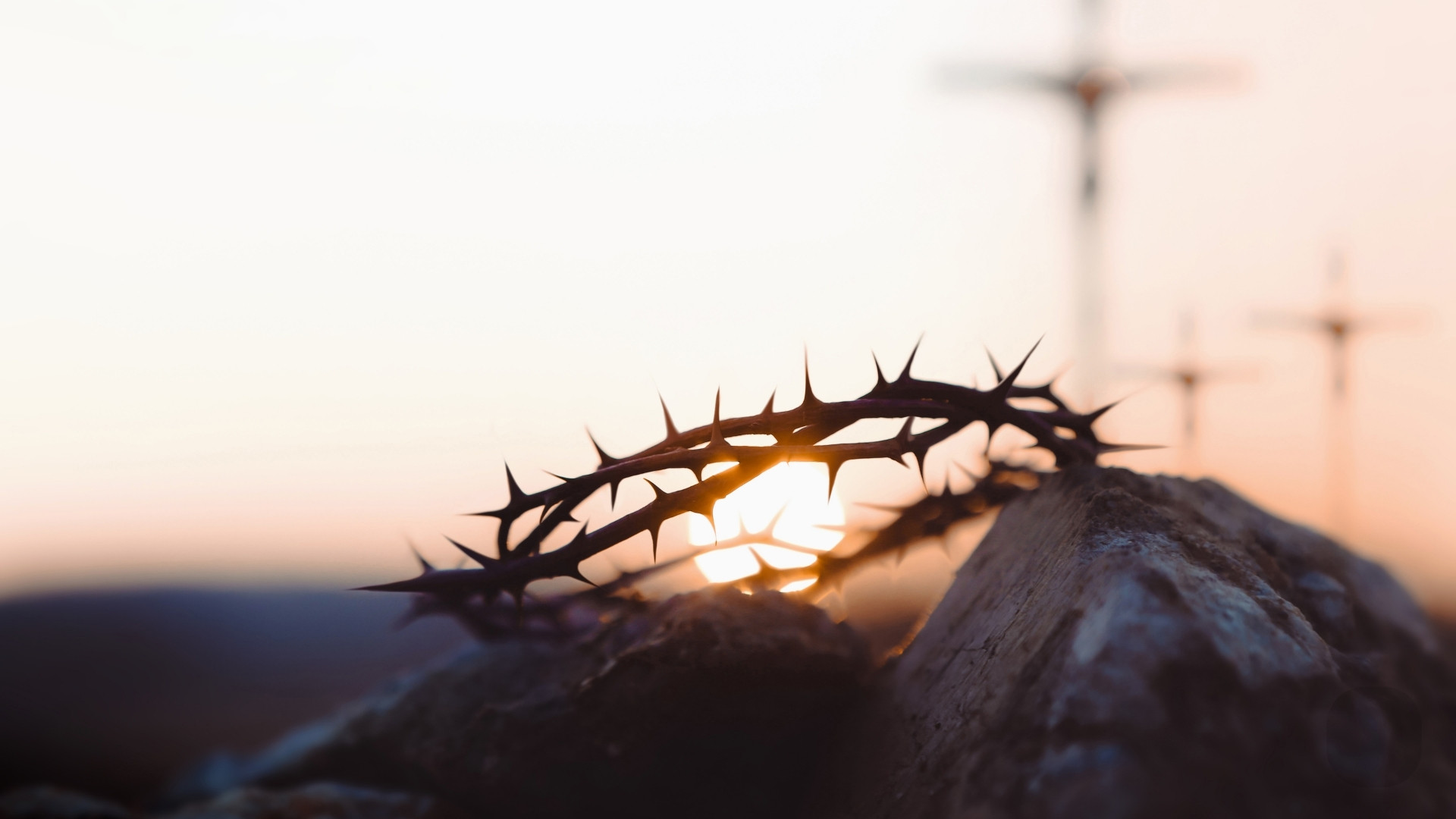
Calvary: The Place Where Destiny, Sacrifice, and Redemption Met
Calvary is more than a historical location. It is one of the greatest spiritual revelations in Scripture. It represents the place where sacrifice met mercy, where judgment encountered grace, and where humanity’s brokenness collided with God’s redemptive love. Throughout Christian history, Calvary has stood as the symbol of salvation, divine exchange, victory over sin, and reconciliation between God and mankind.
The word “Calvary” comes from the Latin Calvaria, meaning “place of the skull,” corresponding to the Hebrew name Golgotha. It was on this hill outside Jerusalem that Jesus Christ was crucified. Yet Calvary was not merely the execution site of a man; it was Heaven’s altar for the redemption of humanity.
In Gospel of Matthew 27:33:
“And when they were come unto a place called Golgotha, that is to say, a place of a skull.”
This moment fulfilled prophetic patterns that had been woven throughout the Old Testament. Long before the cross was erected on Calvary, Scripture had already revealed shadows and prophetic symbols pointing toward this divine sacrifice.
Calvary Was God’s Eternal Plan
One of the deepest revelations about Calvary is that it was not an accident. The crucifixion of Christ was not merely the result of Roman politics or Jewish opposition. It was part of God’s eternal redemptive plan.
In Book of Revelation 13:8, Jesus is described as:
“The Lamb slain from the foundation of the world.”
Before humanity fell into sin, Heaven already carried the solution. Calvary was prepared before Adam’s failure. This reveals the depth of God’s foreknowledge and mercy.
Throughout the Old Testament, God established sacrificial systems that prophetically pointed toward Christ:
- Abel’s acceptable sacrifice
- Abraham offering Isaac
- The Passover lamb in Egypt
- The sacrifices in the tabernacle
- The Day of Atonement rituals
All these shadows ultimately pointed toward Calvary.
When Abraham prepared to sacrifice Isaac in Book of Genesis 22, the story prophetically revealed the Father offering His Son. Isaac carried the wood up the mountain just as Jesus carried the cross. Yet unlike Isaac, Jesus would become the final sacrifice.
Calvary therefore became the fulfillment of centuries of prophecy.
The Cross Revealed the Seriousness of Sin
Modern culture often minimizes sin, but Calvary reveals how serious sin truly is before a holy God. The brutality of the cross demonstrates the weight and consequence of rebellion against God.
Sin separates humanity from divine fellowship. From the Garden of Eden, mankind became spiritually disconnected because of disobedience. Yet God’s desire was always restoration.
In Epistle to the Romans 6:23:
“For the wages of sin is death; but the gift of God is eternal life through Jesus Christ our Lord.”
At Calvary, Jesus took upon Himself the punishment humanity deserved. This is the mystery of divine substitution. The innocent carried the judgment of the guilty.
The cross reveals two powerful truths simultaneously:
- God’s hatred for sin
- God’s love for humanity
Mercy did not ignore justice. Justice was satisfied through sacrifice.
Calvary Was the Place of Divine Exchange
One of the greatest revelations of Calvary is the principle of divine exchange. At the cross, Jesus took what belonged to humanity so believers could receive what belonged to Him.
At Calvary:
- He took sin and released righteousness
- He took shame and released acceptance
- He took rejection and released sonship
- He took poverty and released spiritual inheritance
- He took death and released eternal life
In Second Epistle to the Corinthians 5:21:
“For he hath made him to be sin for us, who knew no sin; that we might be made the righteousness of God in him.”
This scripture reveals the spiritual transaction that occurred at the cross. Jesus became sin though He was sinless so humanity could stand righteous before God.
Calvary therefore is not merely about forgiveness. It is about transformation and reconciliation.
The Blood of Calvary
The blood shed at Calvary carries deep spiritual significance throughout Scripture. Blood represents life, covenant, and atonement.
In the Old Testament, sacrifices temporarily covered sin. However, the blood of animals could never permanently remove guilt. They only pointed toward the ultimate sacrifice.
In Epistle to the Hebrews 9:22:
“Without shedding of blood is no remission.”
At Calvary, Jesus shed His blood once and for all.
The blood of Calvary speaks of:
- Redemption
- Cleansing
- Deliverance
- Covenant
- Mercy
- Victory over accusation
One prophetic revelation is that while Abel’s blood cried for vengeance from the earth, the blood of Jesus speaks mercy and redemption.
Calvary and the Defeat of Darkness
Many people see Calvary only as a place of suffering, but spiritually it was also a place of victory. What appeared like defeat became triumph over darkness.
Satan believed the crucifixion would stop Christ’s mission, but the cross became the very instrument of Satan’s defeat.
In Epistle to the Colossians 2:15:
“And having spoiled principalities and powers, he made a shew of them openly, triumphing over them in it.”
At Calvary:
- Sin lost its legal dominance
- Death lost its final authority
- Satan’s accusations were broken
- Humanity received access back to God
The veil in the temple tearing from top to bottom symbolized restored access into God’s presence.
The Pain of Calvary
The suffering of Jesus was both physical and spiritual. He endured:
- Mockery
- Rejection
- Betrayal
- Beatings
- Crown of thorns
- Nails through His hands and feet
- Public humiliation
Yet beyond physical suffering was spiritual agony. Christ carried the weight of humanity’s sin.
In Gospel of Matthew 27:46:
“My God, my God, why hast thou forsaken me?”
This moment revealed the cost of redemption.
Calvary demonstrates that salvation was not cheap. Grace is free to humanity, but it cost Heaven greatly.
Prophetic Revelations About Calvary
1. Calvary Was Heaven’s Greatest Demonstration of Love
God did not merely speak love; He demonstrated it through sacrifice.
2. The Cross Turned Shame Into Glory
The instrument of humiliation became the symbol of victory and redemption.
3. Sacrifice Precedes Resurrection
Before resurrection power came the suffering of Calvary. This pattern still exists spiritually.
4. Calvary Restored Access to God
Humanity no longer needed separation because Christ became the bridge.
5. The Cross Is Both an Ending and a Beginning
At Calvary, the old covenant system ended and a new covenant was established.
What Calvary Means for Believers Today
Calvary is not merely historical; it remains spiritually relevant.
Because of Calvary:
- Believers can approach God boldly
- Forgiveness is available
- Grace is accessible
- Salvation is possible
- Spiritual bondage can be broken
- Eternal life is available through Christ
Calvary also calls believers into transformed living. The cross is not only about receiving salvation but about dying to self and living for God.
In Gospel of Luke 9:23:
“If any man will come after me, let him deny himself, and take up his cross daily, and follow me.”
Prayer Declarations
- Father, let the power of Calvary transform my life completely.
- I receive forgiveness, cleansing, and restoration through the blood of Jesus.
- Every accusation of the enemy against my life is silenced by the blood of Calvary.
- Lord, help me to live a life worthy of the sacrifice of Christ.
- Every spiritual bondage operating in my life is broken in the name of Jesus.
- Let the finished work of Christ bring healing, deliverance, and peace into my life.
- Father, deepen my understanding of the mystery of the cross.
- I declare victory over sin, fear, and condemnation through Jesus Christ.
- Lord, let the revelation of Calvary produce spiritual fire and devotion in me.
- May my life continually reflect gratitude for the sacrifice of Christ.
Conclusion
Calvary remains the center of the Christian faith because it is the place where redemption was accomplished. At the cross, mercy triumphed over judgment, hope overcame despair, and eternal life became available to humanity.
The nails, the blood, the suffering, and the resurrection all reveal the depth of God’s love and the seriousness of redemption. Calvary reminds believers that no situation is beyond God’s power to redeem.
The cross was not the end of the story. Resurrection followed Calvary. Likewise, many seasons of pain in life are not final endings but pathways to divine victory and restoration.
Calvary therefore stands forever as the place where Heaven touched earth, where sacrifice secured salvation, and where the love of God was revealed to the world.