Lessons from Nebuchadnezzar — The Rise, Fall, and Restoration of a King
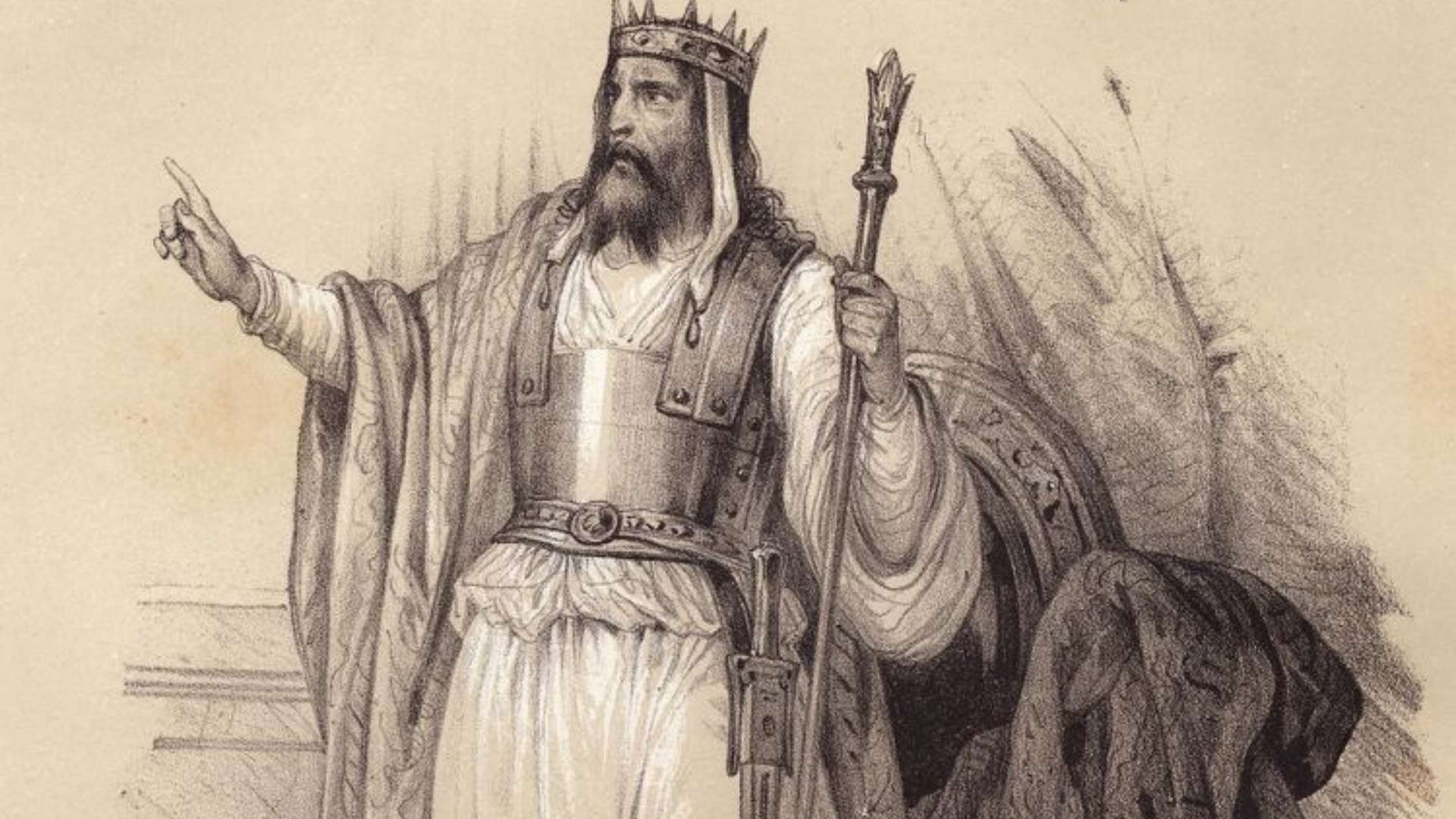
Nebuchadnezzar is one of the most fascinating leaders in Scripture. His story is not just about power and pride; it is about transformation, humility, divine dealings, and the mercy of God. He was the ruler of Babylon, the most powerful empire of his day. He built cities, conquered nations, and commanded armies. Yet God used the journey of this mighty king to teach some of the deepest leadership and spiritual lessons found in the Bible.
What makes Nebuchadnezzar unique is that his story did not end in destruction like Pharaoh’s. He rose in pride, fell in judgment, and then rose again in humility. His life shows both positive and negative lessons — what to imitate and what to avoid, what builds a leader and what breaks one, what leads to greatness and what leads to downfall.
Nebuchadnezzar’s rise shows us the power of vision, discipline, and strategic thinking. He transformed Babylon into an empire of influence. He understood architecture, government, economics, and military strength. The Hanging Gardens, one of the wonders of the ancient world, are connected to his reign. God Himself called him “My servant” (Jeremiah 27:6), not because he was perfect, but because God used him as an instrument of judgment and history. This teaches that God can raise even secular leaders to fulfill divine purposes.
But Nebuchadnezzar’s strength became his weakness. As Babylon prospered, the king’s heart shifted. Instead of acknowledging God, he glorified himself. He looked at the beauty of Babylon and said, “Is this not Babylon that I have built by my power and for my honor?” Pride turned his vision inward. That single moment reveals one of the greatest leadership dangers — when success becomes self-worship. Leaders fall when they take credit for what God enabled.
God warned Nebuchadnezzar through dreams, signs, and even prophets, but his heart refused correction. One of the most sobering lessons from his life is that God gives multiple warnings before judgment. A leader never falls without first ignoring many signals. Nebuchadnezzar had Daniel in his palace — a young man filled with wisdom, truth, and divine insight — yet pride blinded him. Leadership becomes dangerous when the ego becomes louder than wise counsel.
But even in Nebuchadnezzar’s pride, we see a positive leadership trait: he valued gifted people. When he captured Judah, he brought Daniel and others into his court, not as slaves, but as officials. He recognized excellence, intelligence, and integrity. That trait allowed him to receive God’s messages, even though he did not understand them at first. Leaders must value the people God places around them — especially those with spiritual insight.
The turning point in Nebuchadnezzar’s story came when God humbled him. In Daniel 4, God removed his glory, his sanity, and his throne. He lived like an animal for a season. This shows that no matter how powerful a person appears, God can interrupt their life to save their soul. Humbling does not always come to destroy; sometimes it comes to restore. God humbled Nebuchadnezzar not to break him, but to awaken him.
His fall teaches a key negative lesson: a leader’s inner life affects their outer stability. Pride is not a small flaw; it is a spiritual disease. When Nebuchadnezzar’s heart lifted, his foundation cracked. Many leaders today carry the same danger — success without surrender, influence without intimacy, authority without accountability. Nebuchadnezzar teaches that every leader must remain anchored in humility or risk losing everything God gave them.
But his restoration is one of the most beautiful parts of the story. After his season of brokenness, Nebuchadnezzar looked to heaven, and his mind returned. The moment he acknowledged God, clarity returned. Sanity returned. Authority returned. Honor returned. Everything he lost was restored — and more. This reveals the power of repentance. When a leader humbles themselves before God, God restores what pride destroyed.
Nebuchadnezzar’s restoration teaches a positive lesson: humility is the most powerful leadership posture. A humble leader sees clearly. A humble leader leads from truth, not ego. A humble leader attracts wisdom and avoids destruction. When Nebuchadnezzar finally declared that “those who walk in pride He is able to humble,” he was speaking from experience, not theology. Leadership is safest when built on reverence.
Another positive lesson is Nebuchadnezzar’s ability to recognize God’s sovereignty. Despite being a pagan king, he eventually declared God as the Most High. He publicly praised God in a decree sent across the empire. His transformation shows that God’s dealings can turn even unbelieving leaders into testimonies of grace. This teaches that no one is too far for God to reach — not kings, not CEOs, not presidents, not influencers.
Nebuchadnezzar also teaches the importance of spiritual sensitivity. His dreams troubled him because God was trying to talk to him. His ability to perceive spiritual disturbance is something leaders must cultivate. God often speaks through discomfort, restlessness, unexpected events, or unusual dreams. Nebuchadnezzar teaches that leaders must listen when God interrupts.
Another balanced lesson is his willingness to promote Daniel after seeing God’s power. Even though he didn’t fully understand the God of Israel at first, he honored the vessel God used. This teaches that wise leaders recognize divine grace on others. They reward faithfulness. They elevate integrity. They don’t suppress gifted people out of insecurity.
Yet, Nebuchadnezzar’s failures warn us of the danger of forgetting. Every time God revealed His power, Nebuchadnezzar responded for a moment — then returned to pride. Leadership requires consistent humility, not occasional humility. His story reveals that revelation without transformation leads to repeated cycles of correction. God will keep dealing with a leader until the heart truly changes.
Nebuchadnezzar’s journey teaches one final, powerful truth:
God is patient with leaders, but He will not allow pride to stand forever.
He confronts pride, humbles pride, and restores the repentant.
Nebuchadnezzar rose, fell, and rose again — but the second rise was better, wiser, and purer.
His life becomes a testimony of how God shapes leaders.
His beginning warns us.
His middle humbles us.
His ending inspires us.
The lessons from Nebuchadnezzar are clear:
Leadership must combine strength with surrender, authority with humility, vision with reverence, and success with gratitude. When a leader recognizes God as the source, God preserves their influence. When pride takes over, God steps in. And when humility returns, restoration follows.
Nebuchadnezzar’s life reminds every leader that the greatest throne is still beneath the feet of the Most High — and true greatness begins when a leader bows.
Image Source: https://www.learnreligions.com/who-was-king-nebuchadnezzar-in-the-bible-4783693