Power, Personality, Christ (The Ministry of Moses)
The ministry of Moses stands as one of the most profound expressions of God’s dealings with a man. His life reveals the delicate balance between divine power, human personality, and the shadow of Christ hidden within leadership. Moses was not merely a prophet; he was God’s instrument of deliverance, a man shaped by encounter, a soul refined through wilderness seasons, and a vessel through whom the gospel would be foreshadowed. When you examine his journey closely, you discover that the ministry of Moses is the story of how power is entrusted, how personality is tested, and how Christ is revealed.
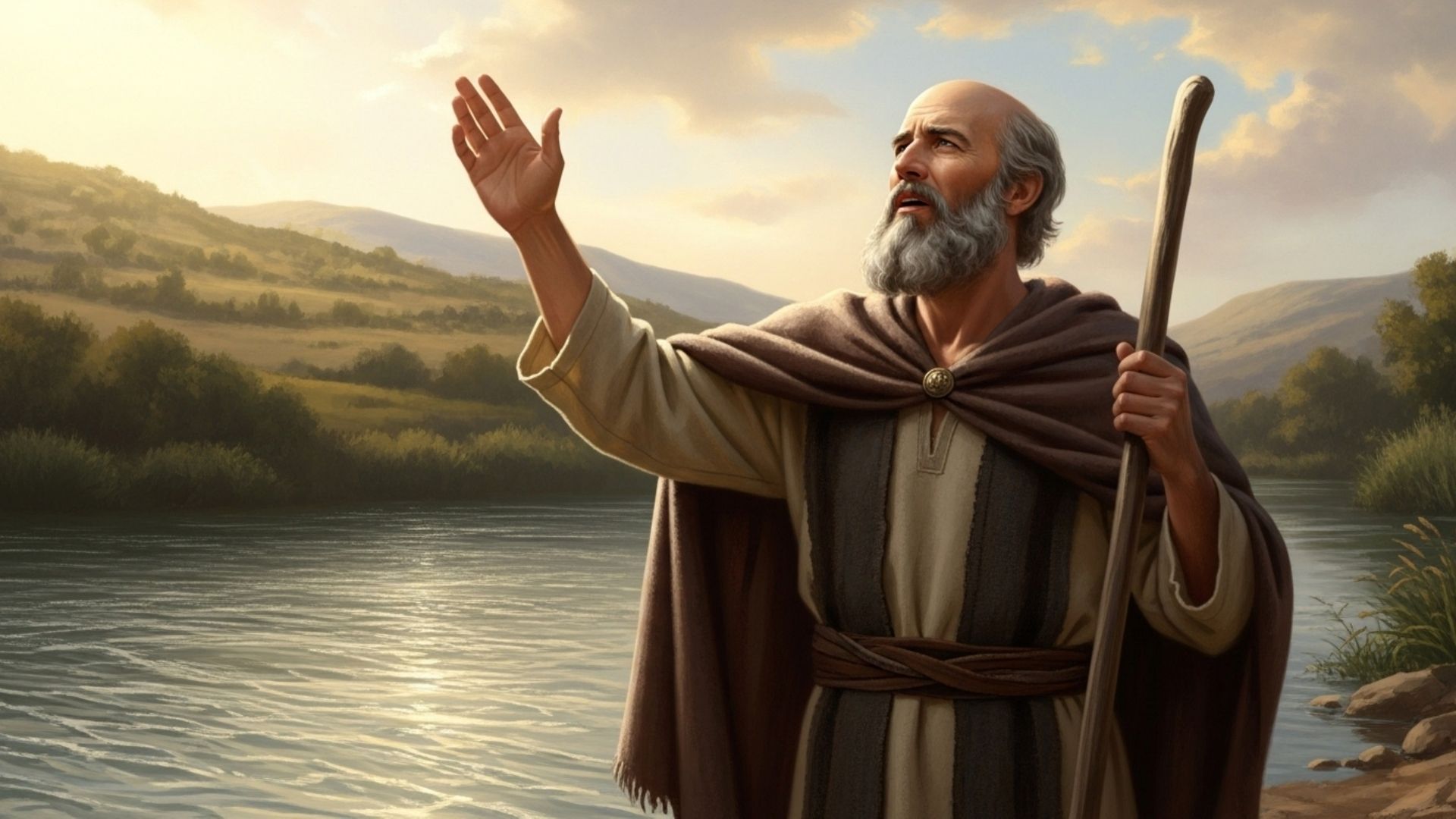
From the moment Moses encounters God at the burning bush (Exodus 3:1–6), the ministry of power begins. It was not Moses who generated the flame; it was God. Power in ministry is always born from God’s presence, not human effort. Moses did not choose the assignment; the assignment chose him. The rod in his hand became a symbol of divine authority. What was once a shepherd’s staff became the instrument through which plagues struck Egypt, waters parted, and miracles manifested. This teaches that God takes ordinary things and invests them with supernatural capacity when a person yields. Power flows where surrender exists.
Yet power alone does not define a minister. Moses was a man with personality — strengths, weaknesses, tendencies, and emotions. Scripture does not hide this. He was humble, the meekest man on earth (Numbers 12:3), yet he struggled with anger. The same Moses who interceded for Israel with tears also struck the rock in frustration (Numbers 20:10–12). His personality became both a channel and a conflict. God used his compassion to shepherd a difficult nation, but God also confronted his anger when it threatened his destiny. This reveals that ministry is not simply about the power God gives but also about the person carrying it. God will work through you, but He will also work on you.
In Moses, we see that personality must be surrendered just as power must be stewarded. God never asked Moses to be perfect, but He demanded alignment. The wilderness became God’s training ground, not just for Israel, but for Moses himself. In forty years of solitude, Moses learned brokenness, patience, silence, and dependence. Ministry requires more than gifting — it requires shaping. Before Moses could lift the rod before Pharaoh, God had to lift the rod over his own heart. Before he could deliver a nation, God had to deliver him from himself. This is the hidden curriculum of spiritual leadership.
But perhaps the most profound truth is that the ministry of Moses is a revelation of Christ. Jesus Himself said, “If you believed Moses, you would believe Me, for he wrote about Me” (John 5:46). Every chapter of Moses’ life reflects a shadow of the Messiah. Moses was sent to deliver Israel from slavery; Christ came to deliver humanity from sin. Moses stretched out his arms over the Red Sea; Christ stretched out His arms on the cross. Moses interceded continually for Israel; Christ forever lives to make intercession for us (Hebrews 7:25). Moses gave the Law; Christ fulfilled the Law (Matthew 5:17). Moses lifted up the bronze serpent for healing; Christ became the One lifted up for the healing of nations (John 3:14).
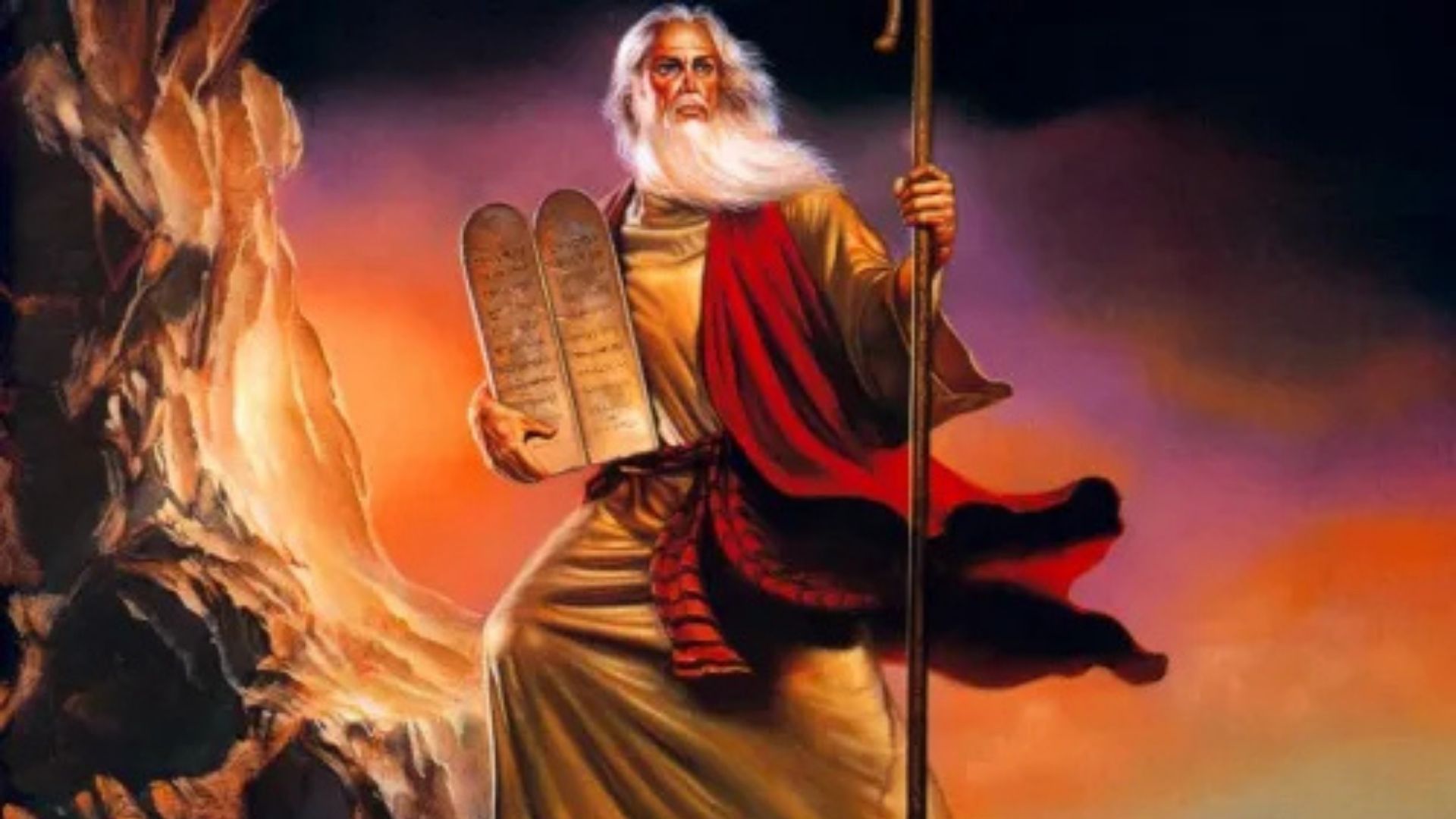
Even Moses’ greatest longing — to see God’s glory (Exodus 33:18) — finds its answer in Christ. God hid Moses in the cleft of the rock and allowed His glory to pass by. That rock was symbolic of Christ (1 Corinthians 10:4). The glory Moses saw in shadows is the glory believers behold fully in Jesus Christ. Moses saw the back of God; in Christ we see the face of God. Moses carried tablets of stone; Christ writes His law upon our hearts. Moses led Israel to the edge of the Promised Land; Christ leads us into the fullness of eternal promise.
What makes Moses’ ministry profound is not his greatness but his dependence. He was powerful but broken. Strong but surrendered. Human yet chosen. This combination is the essence of spiritual ministry. Moses teaches that the man God uses is not the man without flaws, but the man who constantly returns to God. When the burden became heavy, Moses cried to the Lord. When the people rebelled, Moses fell on his face. When God threatened judgment, Moses stood in the gap. Ministry is not sustained by talent — it is sustained by intimacy.
Another powerful aspect is that God revealed His ways to Moses, but His acts to Israel (Psalm 103:7). Israel saw miracles; Moses understood the God behind them. Israel saw power; Moses perceived personality. Israel saw signs; Moses sought the face of the One who performed them. This distinction defines maturity. Many admire the acts of God, but few pursue His ways. Moses wanted more than results — he wanted relationship.
In Christ, we see the perfection of what Moses foreshadowed. Where Moses faltered, Christ remains flawless. Where Moses interceded temporarily, Christ intercedes eternally. Where Moses delivered from Egypt, Christ delivers from darkness. Yet the journey of Moses teaches us how God prepares a vessel for divine service — He encounters them, breaks them, shapes them, and sends them.
The ministry of Moses is a revelation of power entrusted, personality refined, and Christ revealed. It reminds every believer that God does extraordinary things through ordinary people who yield themselves to Him. It shows that leadership is not about perfection but about presence. It teaches that the strength of a minister is not in charisma but in communion. And above all, it shows that every true ministry must ultimately point to Christ — the fulfillment of the law, the greater deliverer, the One whom Moses longed to see.
Image Source: judeochristianclarion.com