
Shekinah Glory — When God Dwells Among His People
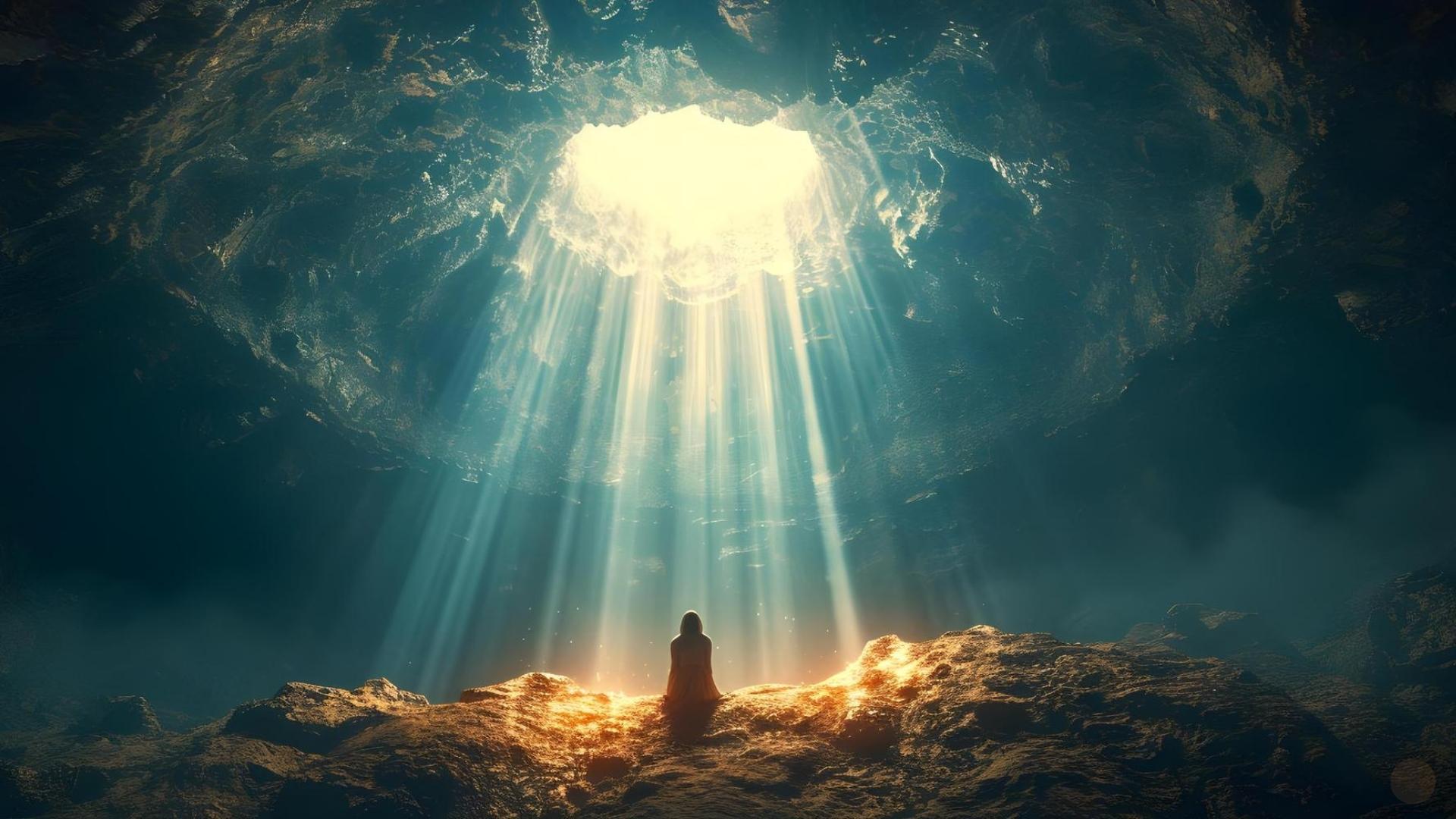
The Shekinah Glory is one of the most profound manifestations of God’s presence. It is not simply the awareness of God; it is the visible dwelling of God among men. The word Shekinah does not appear directly in Scripture, but the concept saturates the Bible from Genesis to Revelation. It means “to dwell,” “to abide,” or “to tabernacle.” Shekinah is the atmosphere of God’s immediate presence—His weight, His radiance, His nearness.
Whenever the Shekinah Glory appears, everything changes. Darkness disappears. Fear collapses. Flesh becomes silent. The impossible becomes possible. The Shekinah is God making Himself known, not through theory but through tangible encounter, overwhelming consciousness, and undeniable manifestation.
From the beginning, God desired to dwell with His creation. In Eden, Adam walked with God in the cool of the day (Genesis 3:8). Eden was the first environment of Shekinah—man and God in uninterrupted fellowship. Sin broke that communion, but God continued to reveal His glory as a sign of His love and desire to stay close to His people.
The Shekinah Glory filled the wilderness as a pillar of cloud by day and a pillar of fire by night (Exodus 13:21–22). God guided Israel not from afar but from within their camp. The cloud was not just direction; it was protection, identity, and assurance. Israel knew they were God’s people because glory lived with them.
When Moses went up Mount Sinai, the Shekinah Glory covered the mountain like a consuming fire (Exodus 24:16–17). The glory settled so strongly that the mountain trembled. Moses entered that atmosphere and stayed there for forty days. It was exposure to Shekinah that transformed his face until it shone with light (Exodus 34:29). The secret place always leaves marks on the one who enters.
God instructed Moses to build the Tabernacle so He could dwell among His people. When it was completed, the Shekinah Glory filled the tent so intensely that the priests could not stand to minister (Exodus 40:34–35). Human strength collapses when divine presence fills the room. Ministry pauses when God arrives. Shekinah shifts the atmosphere from activity to awe.
The same happened in Solomon’s Temple. When the Ark of the Covenant was placed inside, the glory of the Lord filled the house “like a cloud” (1 Kings 8:10–11). Priests could not continue their duties because God Himself took over the service. When Shekinah appears, protocols bow. Routines stop. God becomes the focus.
What is fascinating is that the Shekinah Glory always comes with purpose. It reveals God’s nearness, marks His approval, and shifts His people into alignment. It convicts, comforts, and commissions. It reveals His holiness while extending His mercy. In Isaiah’s vision, the glory filled the temple and immediately brought conviction: “Woe is me, for I am undone!” (Isaiah 6:5). Shekinah confronts the heart before it empowers the assignment.
But the ultimate revelation of Shekinah is in Christ. John writes, “The Word became flesh and dwelt among us, and we beheld His glory” (John 1:14). The word dwelt literally means “tabernacled.” Jesus is the embodiment of Shekinah. In Him, God was not only near—He lived among humanity. Every miracle, every healing, every teaching moment was a manifestation of divine glory. When the disciples saw Jesus transfigured, His face shone like the sun (Matthew 17:2). That was Shekinah unveiled.
After the resurrection and ascension, the Shekinah Glory did not disappear. It entered believers. Paul writes, “Christ in you, the hope of glory” (Colossians 1:27). The glory that hovered over the tabernacle now dwells inside human vessels. The Holy Spirit is the internal Shekinah—God making His home in the believer’s heart. This is why Paul says, “Do you not know that you are the temple of God?” (1 Corinthians 3:16). The glory that once filled tents now fills people.
The Shekinah is also connected to worship. God says, “He inhabits the praises of His people” (Psalm 22:3). Worship creates an atmosphere where His glory becomes manifest. Nations break, yokes fall, and hearts melt when Shekinah settles on genuine worship. Worship is not singing; it is hosting God.
The presence of Shekinah also reveals destiny. When glory comes, direction becomes clear. God guided Israel through wilderness with glory; He guides believers today through revelation, peace, and prophetic insight. Shekinah is not just a feeling—it is light. David said, “In Your light we see light” (Psalm 36:9). When God’s glory shines, confusion breaks.
There’s also a future dimension. The book of Revelation ends with the promise that God will dwell with humanity forever (Revelation 21:3). The city will have no need of the sun because “the glory of God gives it light” (Revelation 21:23). Eternity is the fullness of Shekinah—God with His people, uninterrupted, unfiltered, forever.
But Shekinah does not rest everywhere—it rests where hunger lives. God told Moses, “My presence will go with you” (Exodus 33:14), but Moses replied, “If Your presence does not go with us, do not bring us up from here” (Exodus 33:15). Glory comes where glory is valued. It rests where purity is pursued. It lingers where hearts are surrendered.
When the Shekinah Glory touches a person, they never remain the same. The presence transforms character, heals wounds, breaks chains, and ignites destiny. It is not mere atmosphere—it is encounter. Not emotion—but revelation. Not hype—but holiness.
The Shekinah Glory is God drawing near, God revealing Himself, God dwelling with His people. To seek His glory is to seek His face. To carry His glory is to reflect His nature. And when the Shekinah comes, everything changes.