Amen — The Seal of Faith, Agreement, and Divine Completion
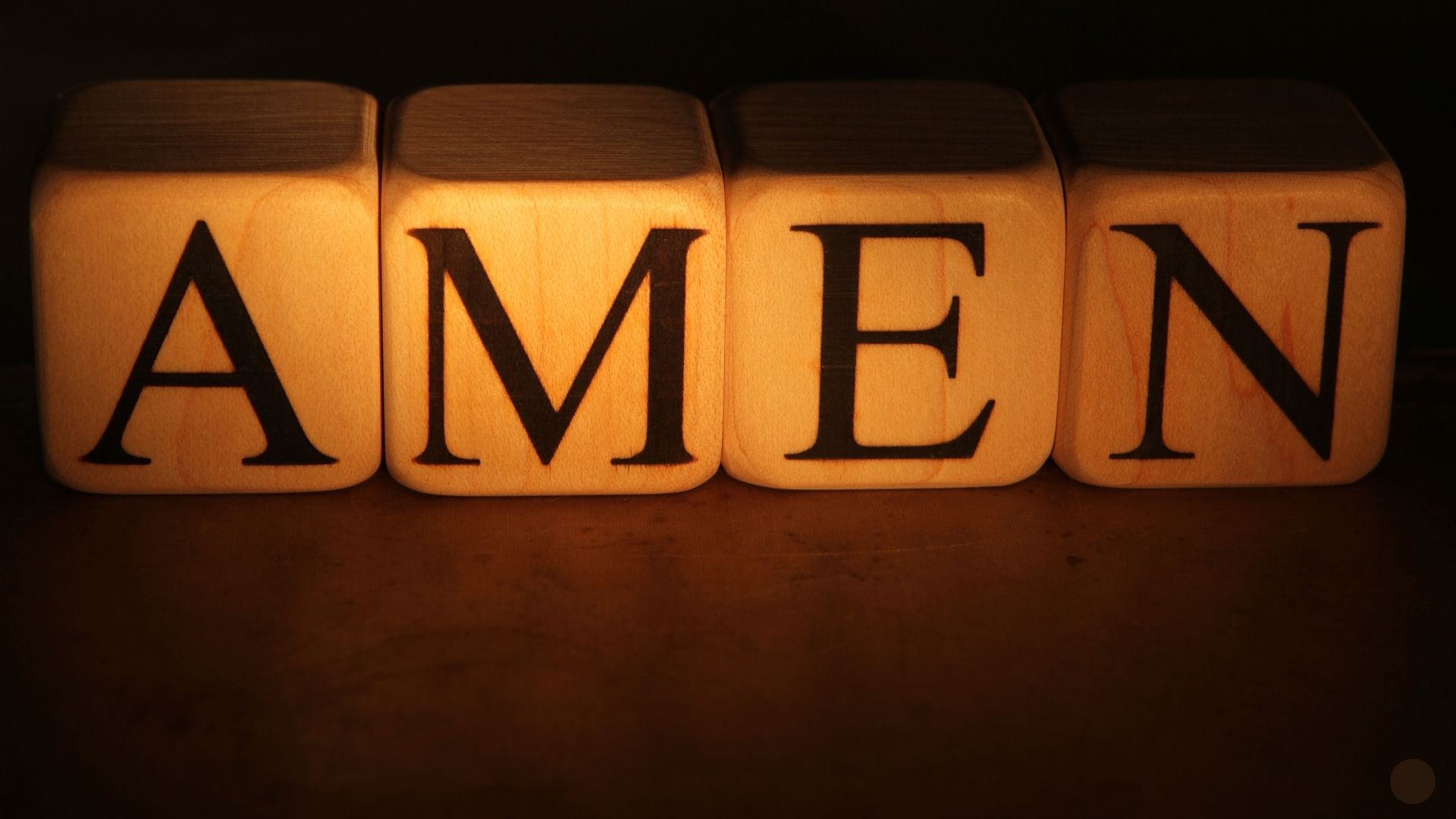
“Amen” is one of the most spoken words in Christianity, yet one of the least understood. It ends our prayers, seals our declarations, and marks moments of agreement in worship. But Amen is more than a spiritual full-stop. It is a word of power, a word of covenant, a word that echoes through Scripture as a stamp of Heaven’s authority.
The word “Amen” means “So let it be,” “It is done,” “Truly,” “Faithful,” and “Established.” When believers say Amen, they are not casually ending a sentence — they are spiritually endorsing a reality, aligning their faith with God’s will, and calling Heaven into manifestation.
Jesus Himself is called “The Amen.”
Revelation 3:14 says:
“These things says the Amen, the Faithful and True Witness…”
This means Christ is the fulfillment of every promise God has made. He is the divine Yes to the prayers of the saints. He is the embodiment of agreement between Heaven and earth. When you say Amen in His name, you are speaking with the authority of the One who cannot lie.
In Scripture, Amen appears at key moments of covenant. When God spoke His promises to Israel, the people responded, “Amen.” It was their way of stepping into divine partnership. It meant, “We receive it, we agree with it, we submit to it.” Amen turns a promise into a possession. It transforms Scripture from information into revelation. It moves truth from the pages of the Bible into the bloodstream of your spirit.
Paul reinforces this mystery in 2 Corinthians 1:20:
“For all the promises of God in Him are Yes, and in Him Amen.”
This means God has already said “Yes” from Heaven, and your “Amen” activates it on earth. Your Amen is the bridge between what God has declared and what you will experience. Amen is not a religious habit — it is spiritual technology. It is agreement that opens doors. It is faith that calls things into existence. It is the believer signing their name on the will of God.
“Amen” also signifies completion. When David finished blessing God, he ended with “Amen.” When Solomon dedicated the temple, the people responded with “Amen.” When Nehemiah rebuilt the walls and restored worship, the community sealed their covenant with “Amen.” The word marks a moment when Heaven settles a matter. It is the period God places after a breakthrough.
But Amen is also resistance. It is warfare. When you say Amen, you are rejecting every contradiction, every lie, every fear, and every attack that argues against God’s promise. Your Amen declares: “Let every other word be a lie — only God’s word will stand.” Amen is how the believer takes a stand against doubt. It is how you align your mind, emotions, and circumstances with divine truth.
The enemy fears your Amen because it locks the promise into place. It stabilizes your faith. It calls angels into assignment. It strengthens your spiritual posture. A silent believer remains vulnerable, but a believer who knows how to say Amen with revelation becomes unstoppable.
Amen is not limited to the end of a prayer — it belongs in moments of prophecy, declarations, Scripture reading, and spiritual agreement. Jesus modeled this when He frequently said, “Verily, verily…” or “Truly, truly…” (John 3:3). In Greek, this is literally “Amen, Amen.” Jesus used Amen at the beginning of statements to show that divine truth does not wait for agreement — it stands as eternal reality.
When you say Amen to God, you are joining your faith to eternal truth.
Amen also marks unity in the Spirit. In Acts 4 and Acts 12, when the believers prayed in one accord, Heaven responded with power. Amen becomes a weapon of corporate agreement, binding believers together with the force of one voice. Where there is unity of Amen, there is unity of power.
At a personal level, Amen is healing. It is surrender. It is the moment your heart releases the weight and says, “God, I trust You.” It is where fear breaks and faith rises. Amen is the soul’s exhale. It is the moment your spirit agrees with peace, even when circumstances have not yet changed.
Finally, Amen points us to eternity. Revelation describes multitudes in Heaven crying, “Blessing and glory and wisdom and thanksgiving… Amen!” (Revelation 7:12). Amen is Heaven’s language. It is the vocabulary of worship. It is the sound of completion and eternal certainty.
So when you say Amen, say it with understanding.
Say it with conviction.
Say it with revelation.
Say it with faith.
You are not closing a prayer.
You are activating it.
You are sealing it.
You are releasing it.
You are agreeing with what God already desires to do.
Amen is not the end — it is the beginning of manifestation.
And as Jesus, the True Amen, watches over your life, every promise spoken over you will find its completion in Him.