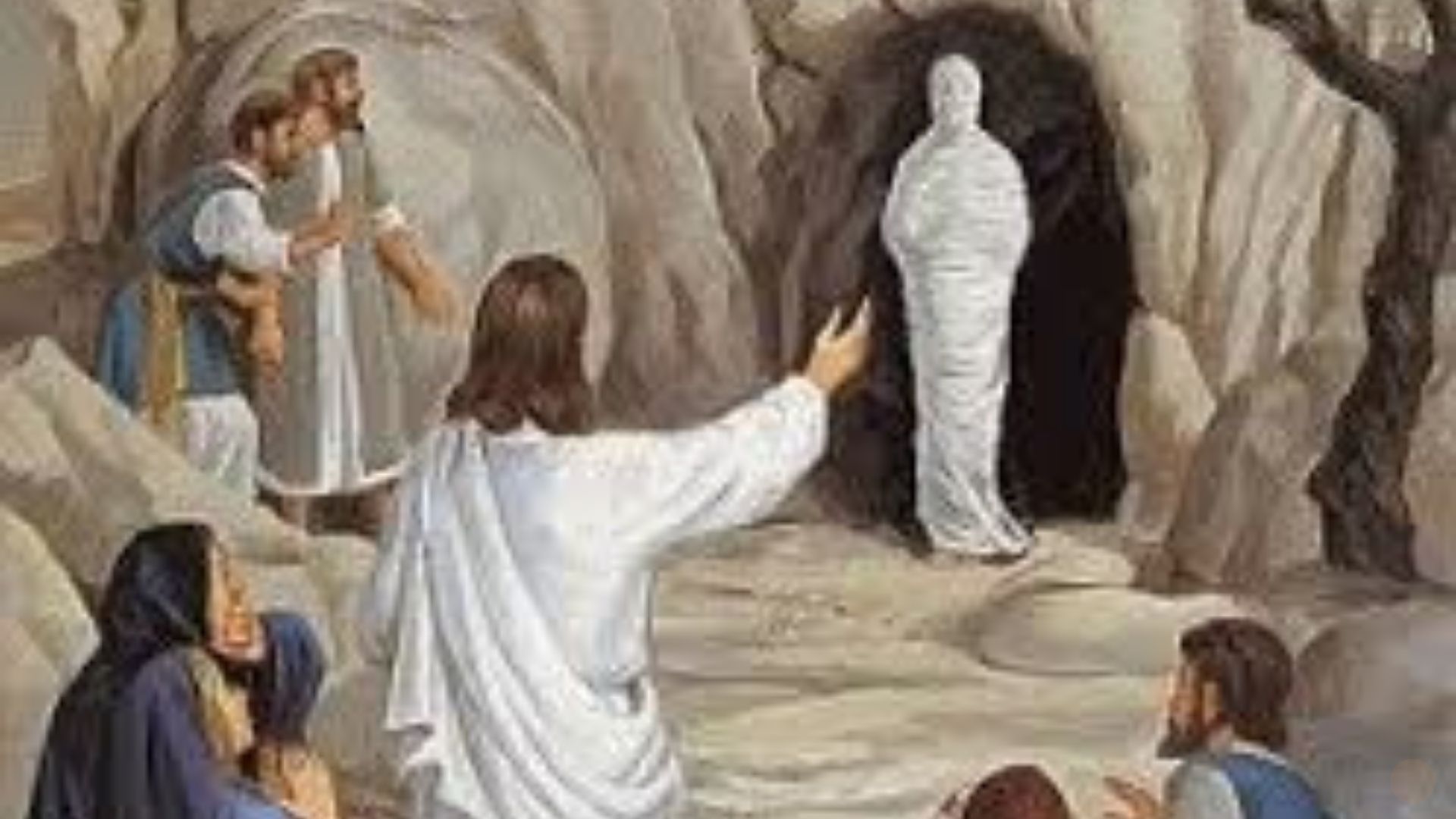

Calling the God in the Bible (Biblical Manifestations)
When we speak of calling the God of the Bible, we are not referring to a distant deity, an abstract force, or a religious idea. We are calling on the God who has revealed Himself across generations, who manifested in glory, who answered by fire, who spoke in storms, who walked in gardens, and who moved visibly through history. The God of the Bible is not silent. He is not passive. He is not a memory. He is the God who appears, intervenes, manifests, and responds.
Calling the God of the Bible means calling the God of Abraham who appeared in covenant glory, the God of Moses who descended in fire, the God of Elijah who answered on Mount Carmel, the God of David who trained hands for war, the God of Daniel who shut the lions’ mouths, and the God of the apostles who shook rooms, opened prisons, and empowered ordinary men to do extraordinary things. When you call the God of the Bible, you are calling the God of manifestations—the God who shows Himself.
From Genesis to Revelation, the Bible presents a God whose presence is tangible. In Genesis 3:8, God walked in the garden. In Genesis 18, He visited Abraham in human form. In Exodus 3, He appeared to Moses in a burning bush that burned but was not consumed. In Exodus 19, He descended on Sinai with thunder, fire, and smoke. In 1 Kings 19, He came to Elijah in a gentle whisper after the storm. In Daniel 3, He walked in the fire with the three Hebrews. This is the God we call—the God who steps into human history and leaves evidence behind.
When we pray “God of the Bible, manifest Yourself,” we are asking Him to reveal Himself in our generation as He did in theirs. Not necessarily through the same signs, but with the same power, authority, presence, and unmistakable reality. The Bible’s manifestations were not locked in the past; they were patterns showing what God is able to do. Hebrews 13:8 declares, “Jesus Christ is the same yesterday, today, and forever.” The God who healed then heals now. The God who delivered then delivers now. The God who provided then provides now.
Calling the God of the Bible is a cry of faith, a cry of alignment, and a cry of expectation. It means we acknowledge that our human strength is insufficient. It means we call on the One who parted seas, multiplied bread, raised the dead, opened barren wombs, and conquered kingdoms. When the psalmist said, “Call upon Me in the day of trouble; I will deliver you” (Psalm 50:15), he wasn’t calling on a concept—he was calling on a God of action.
Throughout Scripture, when people called on God, He responded with manifestations tailored to their need. The Israelites cried out in bondage, and God manifested through signs and plagues to bring them out. Hannah cried out in bitterness of soul, and God manifested through conception that silenced her mockers. Jehoshaphat sought the Lord in fear, and God manifested through prophetic instruction that turned a battlefield into a celebration. Peter cried, “Lord, save me!” and Jesus manifested by stretching out His hand.
Every manifestation carried purpose. God does not show Himself to entertain; He manifests to transform. When God appears, something must shift. Hearts change. Battles turn. Fear breaks. Faith rises. Revelation comes. Calling the God of the Bible is calling for transformation, not just experience.
But calling the God of the Bible also requires faith and alignment. The Israelites saw God’s manifestations, but Moses knew His ways (Psalm 103:7). God reveals Himself more deeply to those who walk with Him. When you call on the God of Abraham, you must also walk in obedience like Abraham. When you call on the God of Elijah, you must also pursue holiness like Elijah. Manifestations respond to alignment.
There is also a dimension of hunger. Throughout Scripture, God manifested to those who desperately sought Him. David cried, “My soul thirsts for You” (Psalm 63:1). Moses pleaded, “Show me Your glory” (Exodus 33:18). The early church prayed earnestly, and the place shook. Hunger attracts manifestation. When the heart longs for more of God, the heavens respond.
Calling the God of the Bible also reminds us that the highest manifestation is not fire, cloud, or angelic encounter—the highest manifestation is Christ Himself. John 1:14 says, “The Word became flesh and dwelt among us, and we beheld His glory.” Jesus is the full manifestation of the God of the Bible. To call on the God of the Bible is to call on the One who calms storms, heals broken lives, forgives sins, restores dignity, and transforms destinies. Jesus is the Ark, the Rock, the Light, the Shepherd, the Door, the Redeemer, and the Revelation of God’s heart.
When you call the God of the Bible into your situation, you are invoking the God who has never lost a battle. The God who has never failed His people. The God who never changes. You are calling the God who sees, who hears, who remembers, and who comes down. You are calling the God who fights for you, delivers you, surrounds you, and carries you. The God of manifestations is the God who steps in—sometimes quietly, sometimes in glory, but always with purpose.
Call Him into your home, your season, your crisis, your ministry, your decisions. Call Him with boldness. Call Him with faith. Call Him with expectation. And as the saints of old discovered, when the God of the Bible appears, nothing remains the same.