
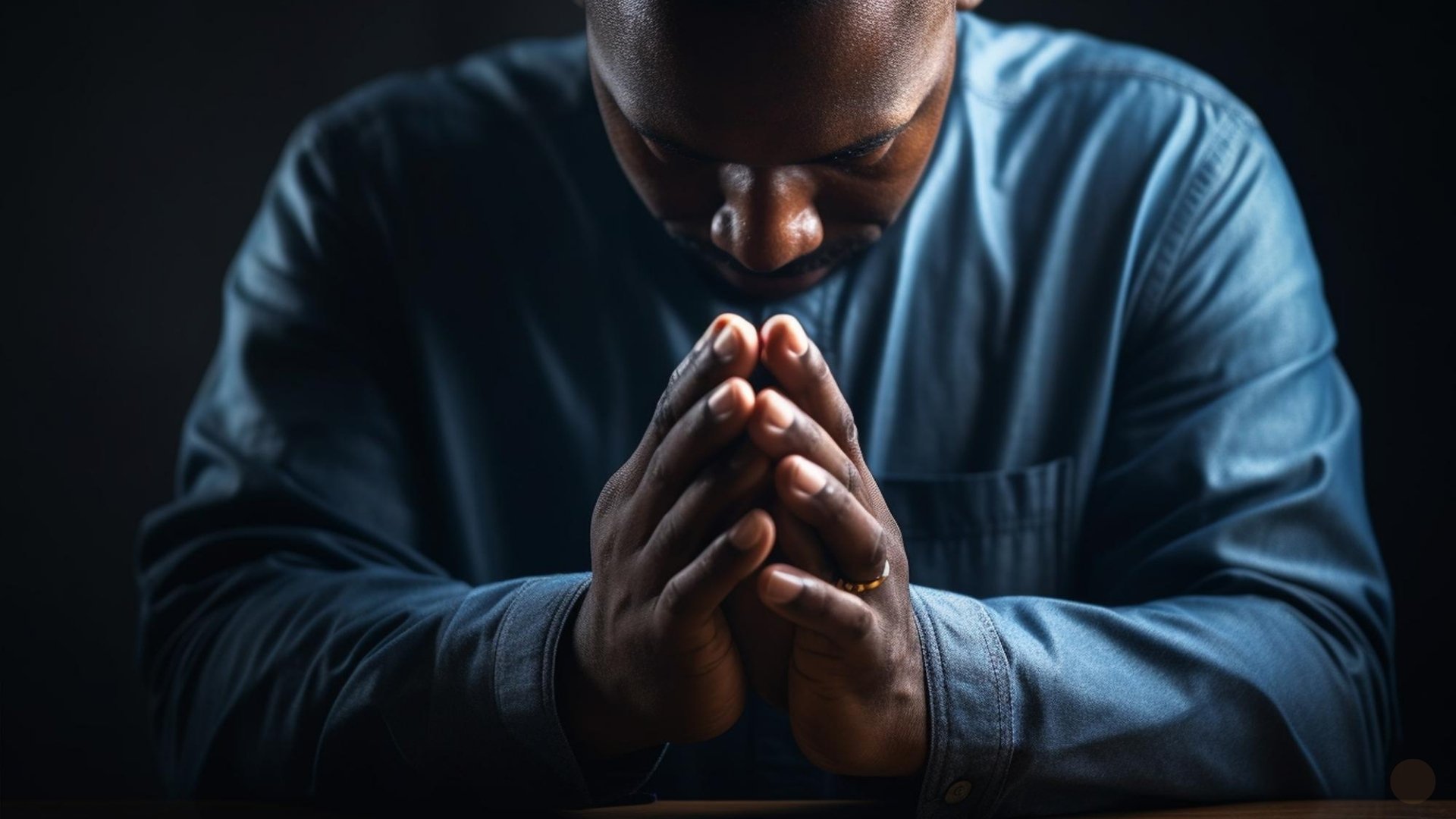
Purpose of Prayer
Prayer is often misunderstood as a religious routine, a crisis response, or a way to persuade God to act. But in Scripture, prayer is far deeper and far more powerful than that. Prayer is not primarily about changing God’s mind; it is about aligning human lives with God’s will. It is not noise in heaven—it is agreement on earth.
From Genesis to Revelation, prayer appears not as an emergency tool but as a divine system of relationship, authority, and participation. When God created humanity, He gave them dominion over the earth (Genesis 1:26–28). This dominion did not make humans independent of God; it made them partners with Him. Prayer is the channel through which that partnership functions.
At its core, the purpose of prayer is communion. Before prayer ever produced miracles, it produced intimacy. Adam walked with God in the garden (Genesis 3:8). There were no requests recorded, only presence. This reveals that prayer existed before problems. Prayer is first about knowing God, not using God. Jesus later affirmed this when He said eternal life is knowing the Father (John 17:3). A prayer life that lacks relationship becomes mechanical and powerless.
Prayer also exists to align the human will with the divine will. Jesus modeled this perfectly in Gethsemane when He prayed, “Not My will, but Yours be done” (Luke 22:42). Prayer did not remove the cross, but it strengthened obedience. This shows us that prayer is not escape from God’s will; it is empowerment to walk in it. Many frustrations in prayer come from asking God to bless decisions He never authorized.
Another major purpose of prayer is spiritual authority. God has chosen to work through human agreement. Ezekiel 22:30 reveals God looking for someone to stand in the gap. This means certain outcomes on earth are delayed not because God is unwilling, but because someone has not prayed. Jesus reinforced this principle when He taught His disciples to pray, “Your kingdom come, Your will be done on earth as it is in heaven” (Matthew 6:10). Heaven’s will is established, but earth requires invitation.
Prayer is also God’s method for releasing divine intervention. In James 5:17–18, Elijah prayed, and the heavens responded. God had already declared judgment, but Elijah’s prayer enforced it. This reveals a critical truth: God’s promises often require prayer to manifest. Prayer does not inform God; it authorizes movement. Daniel understood this when he prayed for the fulfillment of Jeremiah’s prophecy (Daniel 9). Promise did not cancel prayer; it demanded it.
The purpose of prayer also includes spiritual warfare. Prayer is not passive—it is confrontational. Ephesians 6:12 reminds us that we wrestle not against flesh and blood. Prayer positions believers to enforce Christ’s victory. Jesus said certain breakthroughs only come through prayer (Mark 9:29). This shows that prayer establishes spiritual leverage. Where prayer is absent, resistance grows bold.
Prayer also transforms the inner life. Philippians 4:6–7 teaches that prayer produces peace that guards the heart and mind. This guarding is defensive language. Prayer stabilizes emotions, clarifies thinking, and anchors faith. Many answers to prayer come not as changed circumstances, but as changed perspectives. Hannah prayed in deep anguish, and though her situation did not change immediately, her countenance did (1 Samuel 1:18). Prayer often changes the person before it changes the problem.
Another vital purpose of prayer is intercession. God invites people to carry others before Him. Abraham interceded for Sodom (Genesis 18). Moses interceded for Israel (Exodus 32). Job’s restoration came when he prayed for his friends (Job 42:10). Intercession shifts focus from self to purpose. It also reveals that blessing often flows through others, not around them. God heals communities through praying individuals.
Prayer also serves as a channel for wisdom and direction. James 1:5 promises wisdom to those who ask. Prayer sharpens discernment. Decisions made without prayer may succeed temporarily but fail eternally. David repeatedly inquired of the Lord before battles (1 Samuel 23:2). Even when skilled and anointed, he understood that guidance sustains victory.
Importantly, prayer builds dependence on God. Jesus said, “Apart from Me you can do nothing” (John 15:5). Prayer is the confession of that truth. It keeps success from becoming pride and difficulty from becoming despair. When prayer fades, self-reliance grows. When self-reliance grows, spiritual sensitivity declines.
Prayer also prepares believers for timing. Habakkuk 2:3 reminds us that vision has an appointed time. Prayer aligns patience with promise. Those who wait on the Lord renew strength (Isaiah 40:31). Prayer teaches how to wait without quitting and how to trust without rushing.
Finally, prayer is about participation in God’s redemptive plan. God does not need prayer to be God, but He has chosen prayer as the way His people share in His work. Revelation 8 shows prayers rising like incense and producing activity on earth. This is sobering and empowering. It means prayer is not symbolic—it is causal.
Prayer does not twist God’s arm;
it opens human hearts.
It does not force outcomes;
it aligns authority.
It does not replace obedience;
it empowers it.
The purpose of prayer is not to make God serve us,
but to make us available to God.
When prayer becomes relationship,
authority is restored.
When prayer becomes alignment,
clarity follows.
When prayer becomes agreement,
heaven moves.
And when prayer becomes a way of life,
God’s will is no longer distant—
it becomes visible on earth through surrendered people.