The Birth of Jesus — A Promise & A Gift
Christmas did not begin with lights, songs, or celebration. It began with a promise whispered through generations and fulfilled in a quiet, unlikely place. Long before the manger, before Bethlehem, before Mary, God had already spoken. Christmas is not an interruption in history; it is the fulfillment of a long-awaited word.
From the beginning, Christmas existed as a promise. After the fall of man, God did not abandon humanity to shame and separation. Instead, He spoke hope directly into failure. In Genesis 3:15, God declared that the seed of the woman would crush the serpent’s head. This was the first whisper of Christmas. Salvation was not an emergency plan; it was a divine intention already in motion.
The birth of Jesus is not merely an event remembered once a year; it is the moment when eternity stepped into time, when God’s long-spoken promise arrived as a living gift. Christmas is not built on sentiment, tradition, or nostalgia. It is built on divine faithfulness. What God promised, He fulfilled. What He fulfilled, He gave freely.
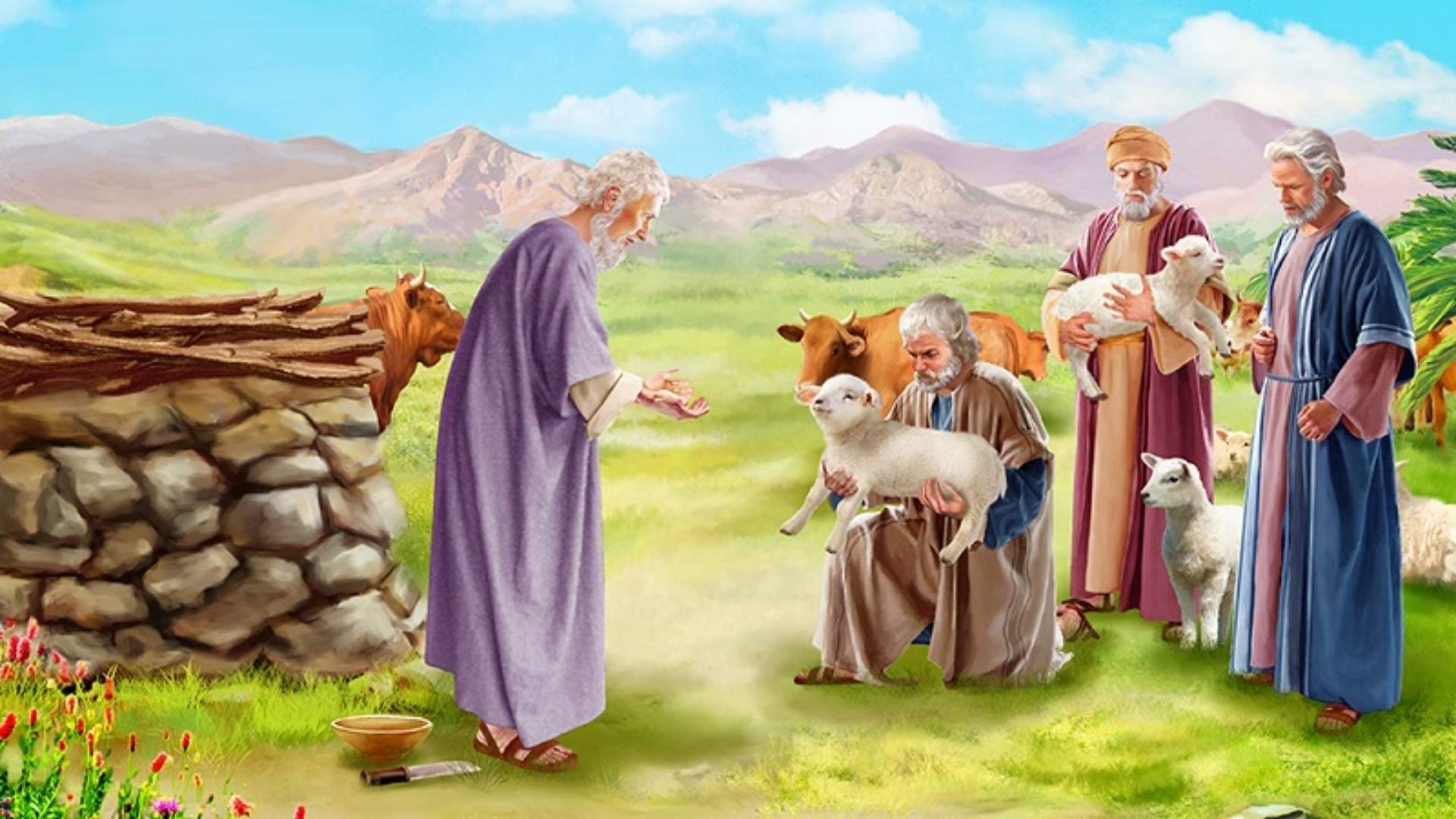
That promise traveled through generations. God spoke it again to Abraham when He said, “In your seed all the nations of the earth shall be blessed” (Genesis 22:18). He narrowed it through David, promising a king whose throne would be established forever (2 Samuel 7:12–13). Isaiah saw it clearly when he declared, “Behold, the virgin shall conceive and bear a Son, and shall call His name Immanuel” (Isaiah 7:14). Christmas proves that God remembers every word He speaks, no matter how long fulfillment takes.
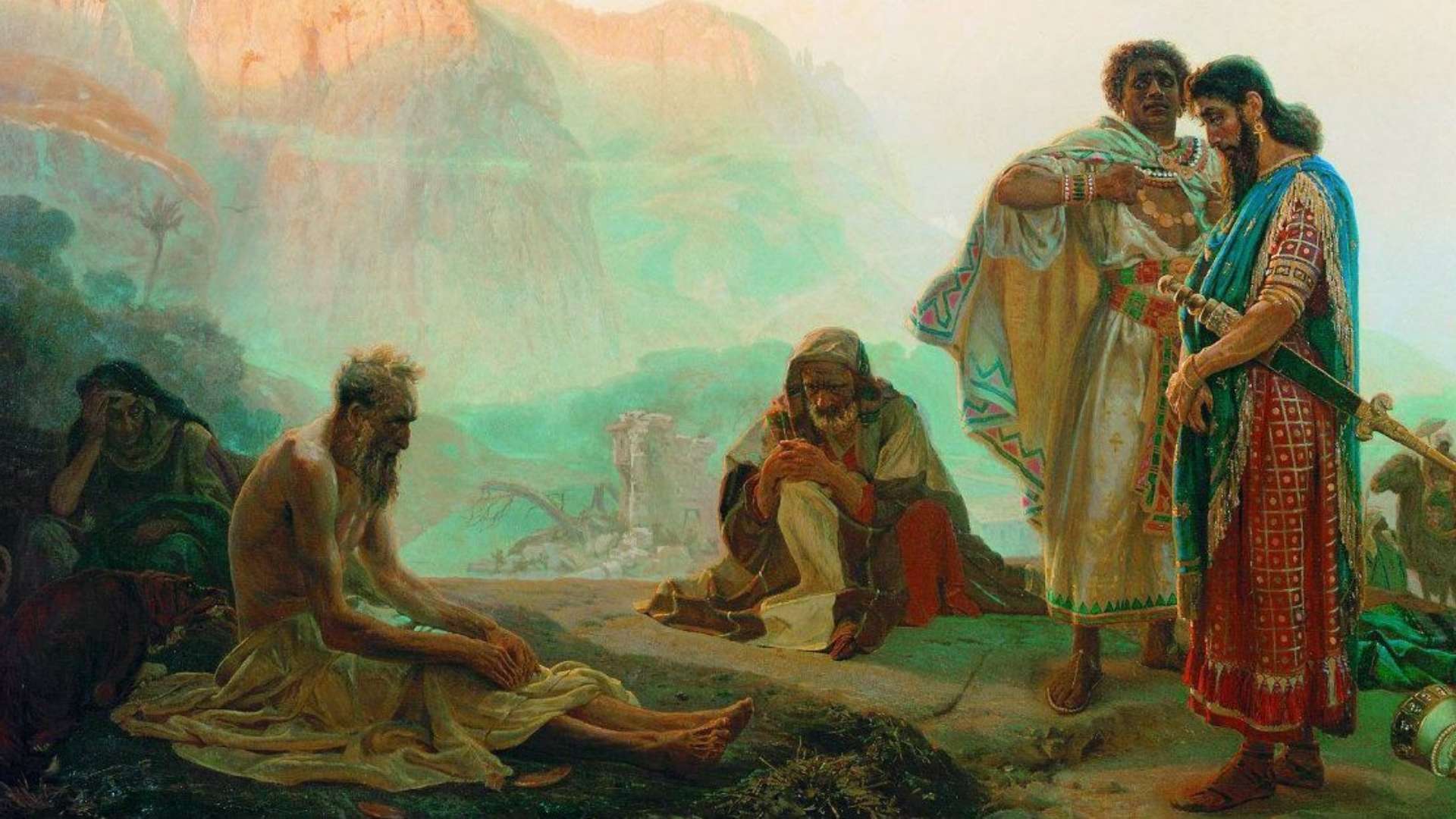
The waiting was long. Israel endured silence, captivity, oppression, and disappointment. Yet Galatians 4:4 tells us, “When the fullness of the time had come, God sent forth His Son.” God did not act early or late. He acted at the exact moment history could carry redemption. Delay was not denial; it was preparation.
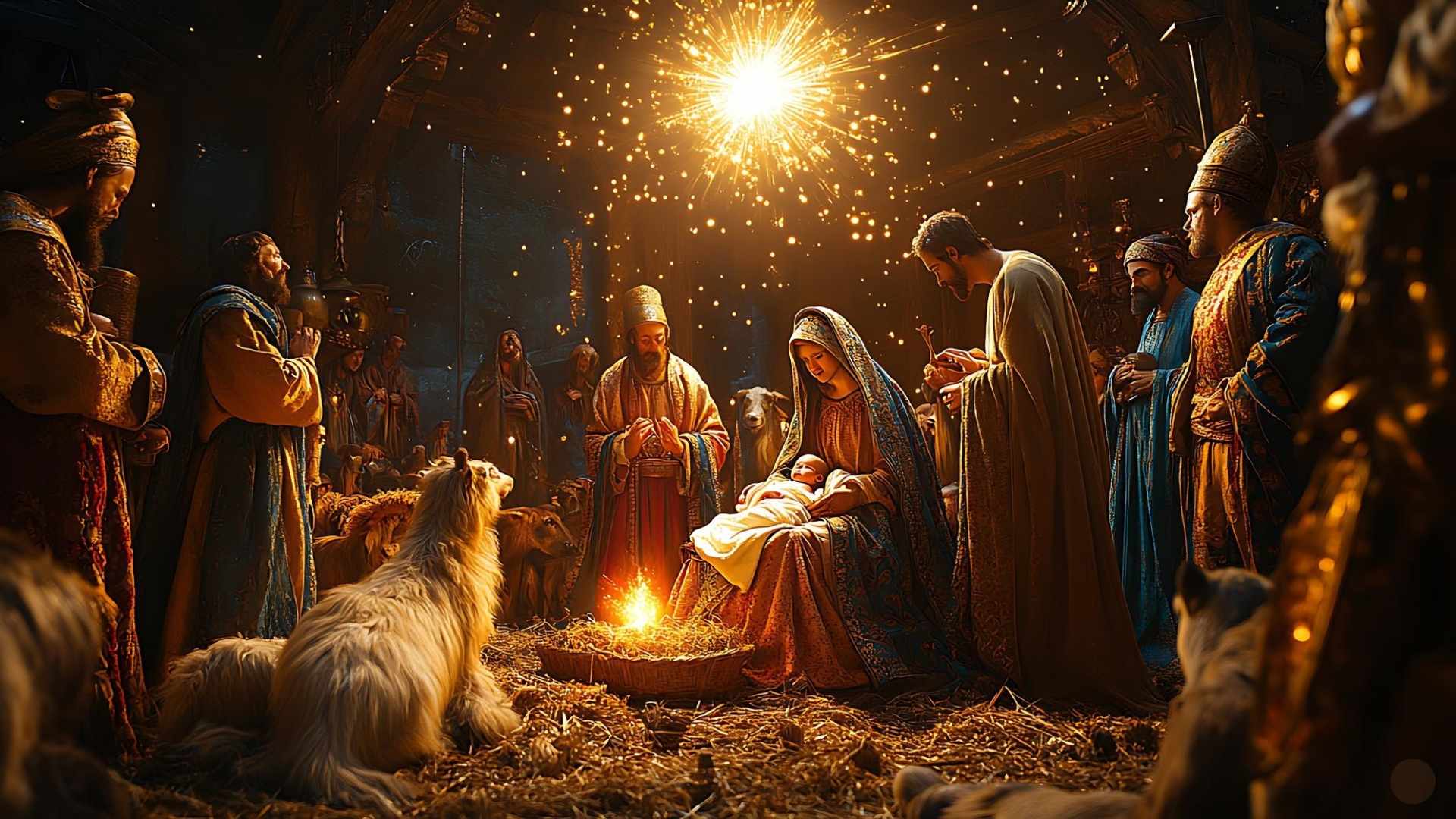
What makes Christmas extraordinary is not only that the promise was fulfilled, but how it was fulfilled. God did not arrive with thunder and fire. He came through birth, vulnerability, and dependence. Luke 2:7 says Mary wrapped Him in swaddling cloths and laid Him in a manger. The Creator of all things entered creation as a child who needed care. This reveals a deep truth: God chose humility as the pathway to salvation.
The manger itself carries revelation. Jesus was placed in a feeding trough, silently declaring what He would later say openly: “I am the bread of life” (John 6:35). Humanity’s deepest hunger would be satisfied not by power or prosperity, but by God Himself. Christmas answers hunger before it confronts sin.
Mary’s response reveals the heart posture required to receive divine promises. When the angel announced God’s plan, she did not demand explanation or proof. She said, “Behold the maidservant of the Lord! Let it be to me according to Your word” (Luke 1:38). The promise moved forward because of surrender. God’s gift does not force itself; it rests on yielded hearts.
Joseph’s obedience also protected the promise. Matthew 1:24 says Joseph did as the angel commanded him. He did not speak loudly, but he obeyed fully. God often entrusts His greatest works to quiet obedience. Not every divine assignment is public, but every one is costly.
The announcement of Jesus’ birth reveals God’s priorities. Angels appeared first to shepherds, not kings or priests. Luke 2:10–11 records the angel saying, “Do not be afraid, for behold, I bring you good tidings of great joy which will be to all people.” God revealed His gift first to the overlooked, reminding us that grace does not follow human hierarchy. God moves toward humility.
The wise men show us how to respond to the gift. They traveled far, guided by faith, and offered gifts of gold, frankincense, and myrrh (Matthew 2:11). Even at birth, Jesus was acknowledged as King, God, and Sacrifice. Christmas already pointed toward the cross. The cradle and the cross were never separate. The child born to Mary was destined for obedience unto death.
This is why Christmas is not shallow joy—it is costly grace. Jesus was not born merely to inspire, but to redeem. John 1:14 declares, “The Word became flesh and dwelt among us.” God did not send a message; He sent Himself. Christmas is the gift of God with us.
Yet Scripture also reminds us that the gift was not universally received. Luke 2:7 tells us there was no room in the inn. God came near, but many missed Him. This reveals a sobering truth: divine presence does not guarantee human reception. Room must be made. Hearts must open.
The birth of Jesus also reveals God’s patience. He did not come condemning, but inviting. John 3:17 says God did not send His Son to condemn the world, but that the world through Him might be saved. Grace arrived before judgment. Mercy preceded accountability.
Christmas assures us that God’s promises outlive circumstances. Empires rise and fall, but His word stands. Isaiah 55:11 declares that God’s word will not return void, but will accomplish what He pleases. What God promised in Genesis was fulfilled in Bethlehem.
The gift of Jesus assures us that God understands human suffering. Hebrews 4:15 tells us that Jesus is able to sympathize with our weaknesses because He lived among us. Christmas is God saying, “I know what it is to be human.”
This is why Christmas still carries power today.
It is proof that God keeps His promises.
It is evidence that God gives Himself.
It is assurance that hope can be born in darkness.
The birth of Jesus is not just history—it is invitation. “Thanks be to God for His indescribable gift” (2 Corinthians 9:15).
A promise fulfilled.
A gift given.
And a Savior still knocking at the door of human hearts.
Christmas is God saying to the world:
“I have not forgotten you.”
“I have come for you.”
“I am with you.”
A promise kept.
A gift given.
And hope born in the quiet of the night.