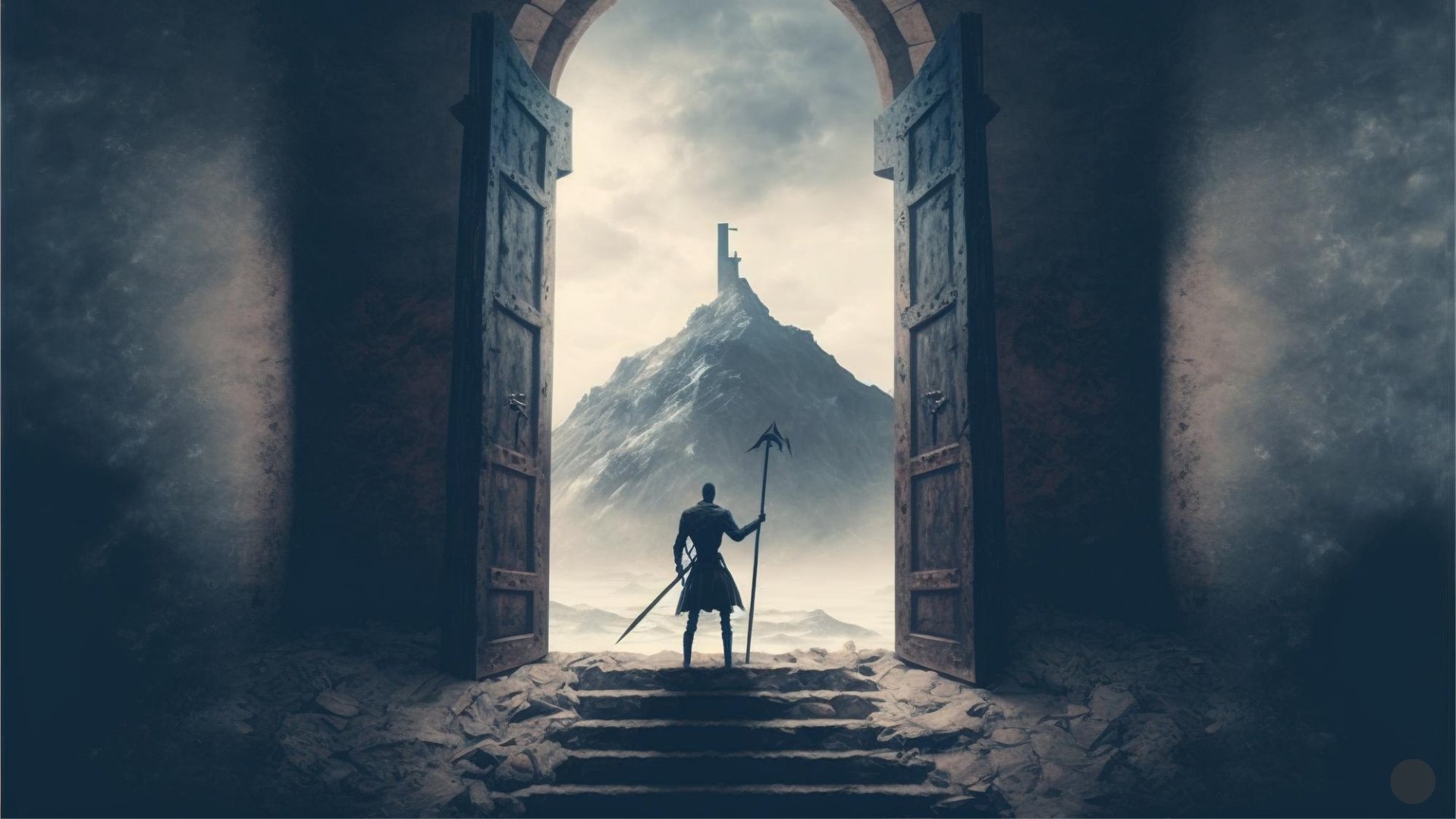

The Evening Miracle
There is a quiet power hidden in the evening hours. While the morning speaks of beginnings and the noon of activity, the evening carries a mystery many overlook. Scripture shows that God often reserves His intervention for the end of the day, when strength is low, answers seem delayed, and hope feels tested. The evening is not God’s afterthought; it is often His chosen moment.
The Bible repeatedly reveals a pattern: when human effort winds down, divine action steps in.
Psalm 55:17 says, “Evening and morning and at noon I will pray, and cry aloud, and He shall hear my voice.” Notice the order. Evening is mentioned first, not last. This reveals that evening prayer carries spiritual weight. It is the hour when outcomes are reviewed, when the soul reflects, and when faith is tested against what the day has produced—or failed to produce.
In the Old Testament, the evening sacrifice was a sacred appointment with God. Exodus 29:39 instructed that one lamb be offered in the morning and the other at twilight. The evening sacrifice acknowledged something profound: God is still God when the day is almost gone. When human activity ceases, heaven remains active.
One of the clearest pictures of the evening miracle appears in 1 Kings 18. Elijah confronted the prophets of Baal, and for hours nothing happened. The false prophets cried from morning until afternoon, yet no fire fell. But verse 36 says, “And it came to pass, at the time of the offering of the evening sacrifice, that Elijah the prophet came near and said…” It was at evening that fire fell. Not when noise was loudest, but when timing was right. The miracle waited for the evening.
This reveals a deep truth: delay does not mean denial. Some answers are scheduled, not withheld. God often waits until human effort is exhausted so that His glory is unmistakable. The evening miracle ensures that no one mistakes divine intervention for human strength.
Another powerful example is found in the life of the widow of Zarephath. She was preparing her last meal at the close of her resources, the evening of her provision. Yet that was when God spoke multiplication. Evening moments often feel like endings, but in God’s economy, they are transition points.
The New Testament continues this pattern. In Matthew 14, Jesus fed the multitude. Verse 15 tells us plainly: “When it was evening, His disciples came to Him, saying, ‘This is a deserted place, and the hour is already late.’” Evening had arrived, resources were insufficient, and dismissal seemed logical. Yet Jesus performed one of His greatest miracles at that moment. The evening became the setting for abundance.
The disciples saw limitation. Jesus saw opportunity. Evening exposes the difference between human reasoning and divine perspective.
There is also the miracle at Emmaus in Luke 24. Two disciples walked with Jesus after the resurrection but did not recognize Him. As evening approached, they urged Him to stay. Verse 29 says, “Abide with us, for it is toward evening, and the day is far spent.” It was in the breaking of bread—at evening—that their eyes were opened. Revelation came when the day was nearly over.
Evening is the hour when revelation often breaks through confusion.
Spiritually, the evening represents seasons of waiting, silence, fatigue, and unanswered questions. It is the point where many give up, sleep in despair, or conclude that nothing will happen. But Scripture teaches that God does not measure time the way we do. Psalm 30:5 reminds us, “Weeping may endure for a night, but joy comes in the morning.” Notice that joy is promised after the night, not before it. Night—and evening—often precede manifestation.
The evening miracle teaches us patience. Habakkuk 2:3 says the vision is for an appointed time, and though it tarries, it will surely come. Many visions fail not because they were false, but because people abandoned faith in the evening hour. Faith that survives the evening is faith that qualifies for the miracle.
There is also a prophetic dimension to the evening. Psalm 141:2 connects prayer with the evening sacrifice. The evening is when prayer becomes surrender rather than request. It is when the heart stops striving and starts trusting. That posture attracts God.
Jesus Himself performed His greatest redemptive work at what could be called the “evening” of His life. The cross was the darkest hour, the apparent end, the moment when hope seemed buried. Yet resurrection followed. God turned the ultimate evening into eternal morning.
This is why believers must be careful not to judge their situation by the time of day. Evening does not mean God is late. It means God is about to move in His way.
If you are in an evening season—where strength feels low, answers delayed, and options exhausted—Scripture encourages endurance. Isaiah 40:28 reminds us that God does not grow weary. When you are tired, He is not. When your day feels over, His work continues.
The evening miracle is not always dramatic. Sometimes it is peace where anxiety once ruled. Sometimes it is clarity replacing confusion. Sometimes it is strength to sleep in trust. Other times, it is a sudden breakthrough that rewrites the entire day.
What matters is this: God is not finished when the day seems finished.
So pray in the evening. Trust in the evening. Wait in the evening. Because many of God’s greatest works arrive quietly, faithfully, and powerfully—just as the day is about to end.
And when the miracle comes,
you will realize it was never late—
it was perfectly timed.