
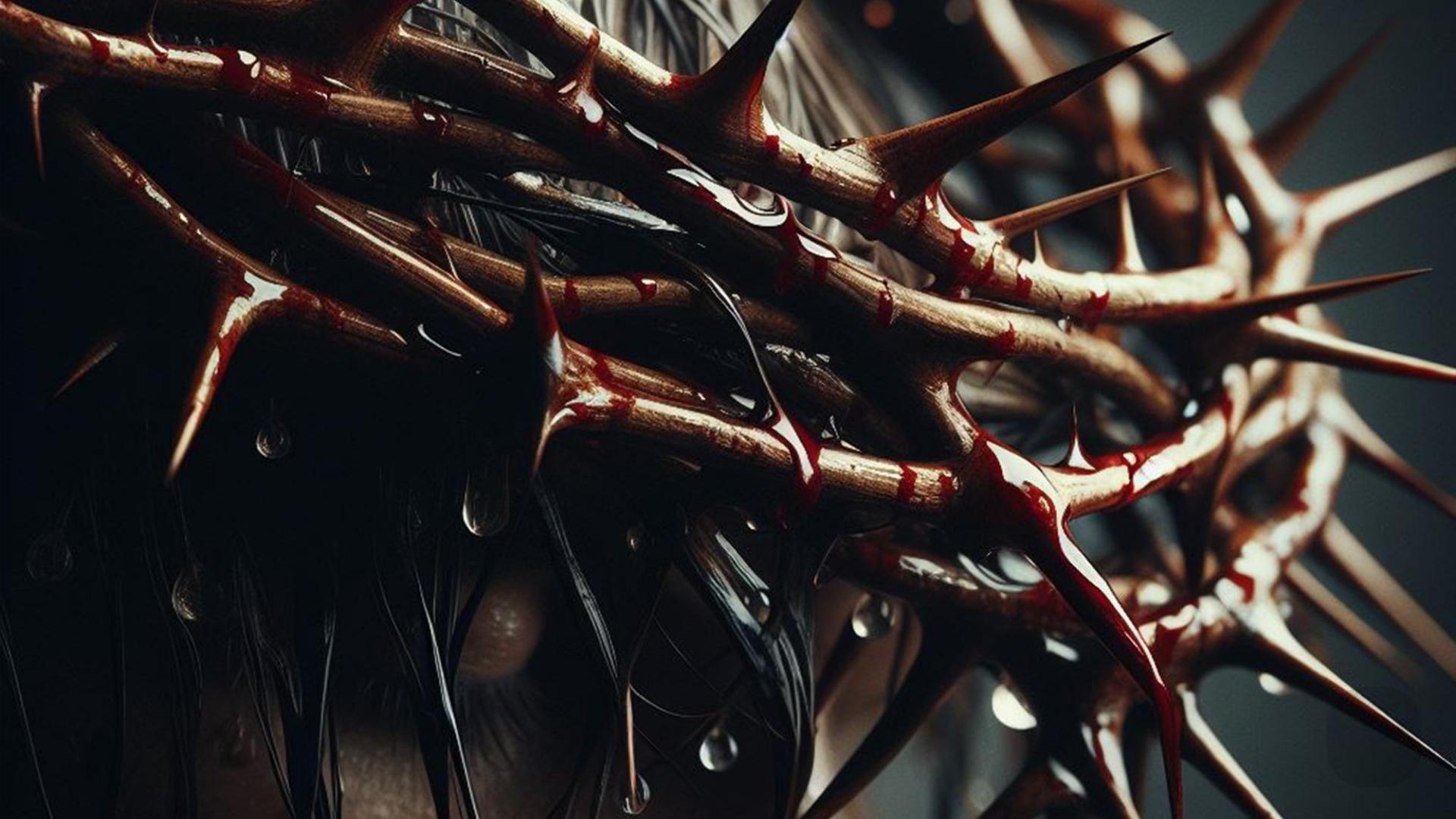
The Good Friday: The Mystery of the Cross and the Power of Divine Sacrifice
There are moments in history that do not just mark time—they redefine it. Good Friday is one of such moments. It is not merely a day on the calendar; it is a spiritual intersection where justice and mercy met, where pain gave birth to redemption, and where what appeared to be defeat became the greatest victory mankind has ever known.
To the natural eye, Good Friday looks like loss. It is the day Jesus was beaten, mocked, crucified, and laid in a tomb. It is the day darkness seemed to prevail. Yet, in the spirit, it is called “Good” because what was accomplished in those hours altered eternity itself.
Good Friday is not about suffering alone—it is about purpose within suffering.
The Weight of the Cross: A Divine Exchange
The cross was not an accident. It was not a reaction to human rejection. It was a predetermined plan.
Scripture declares, “Him, being delivered by the determinate counsel and foreknowledge of God, ye have taken, and by wicked hands have crucified and slain” (Acts 2:23).
This means the cross was intentional.
What happened on Good Friday was a divine exchange. Jesus did not just die—He stood in the place of humanity. He took upon Himself what was never His, so that we could receive what we never earned.
“Surely he hath borne our griefs, and carried our sorrows… he was wounded for our transgressions, he was bruised for our iniquities…” (Isaiah 53:4–5).
This is the mystery of substitution.
He took sin so we could receive righteousness.
He took pain so we could receive peace.
He took death so we could receive life.
Good Friday is the day the burden shifted.
Darkness at Noon: When Heaven Was Working in Silence
One of the most profound moments of Good Friday is captured in a single verse:
“Now from the sixth hour there was darkness over all the land unto the ninth hour” (Matthew 27:45).
This was not ordinary darkness. It was a spiritual covering. In the very moment when redemption was being accomplished, light withdrew from the natural realm.
This reveals a deep mystery: God often does His greatest work in hiddenness.
To those watching, it looked like everything had gone wrong. The One they believed in was hanging on a cross, bleeding, mocked, and silent. But what they could not see was what was happening beyond the physical.
Sin was being judged.
Debt was being cancelled.
Separation was being bridged.
Darkness was not the absence of God—it was the concealment of divine activity.
“It Is Finished”: The Cry That Ended a System
At the peak of His suffering, Jesus made a declaration that echoed beyond time:
“It is finished” (John 19:30).
This was not a cry of defeat. It was a declaration of completion.
The work of redemption was done.
Everything that stood between man and God—sin, guilt, condemnation—was addressed in that moment. The system of striving, sacrifice, and repeated offerings was fulfilled in one act.
The veil in the temple tore from top to bottom (Matthew 27:51), signifying that access to God was no longer restricted.
Good Friday opened the way.
What was once distant became accessible.
What was once restricted became available.
This is why it is good.
The Paradox of the Cross: Weakness That Revealed Power
From a human perspective, the cross represents weakness. Jesus was nailed, unable to defend Himself, surrounded by mockery.
“He saved others; himself he cannot save” (Matthew 27:42).
But this was the paradox. What looked like weakness was actually restraint. What looked like defeat was intentional submission.
Jesus said earlier, “No man taketh it from me, but I lay it down of myself” (John 10:18).
The cross was not forced—it was chosen.
And in that choice, power was revealed in its purest form—not the power to destroy, but the power to redeem.
The Blood: The Language of Redemption
At the center of Good Friday is the shedding of blood.
“Without shedding of blood is no remission” (Hebrews 9:22).
Blood, in Scripture, represents life. When Jesus shed His blood, He was not just enduring pain—He was releasing life.
Every drop spoke.
It spoke against sin.
It spoke against condemnation.
It spoke for mercy.
The blood of Jesus became the final payment. No more sacrifices were needed. No more repetition was required.
“For by one offering he hath perfected for ever them that are sanctified” (Hebrews 10:14).
Good Friday settled the matter.
The Silence of the Tomb: When Nothing Seems to Happen
After the cross came silence.
Jesus was laid in the tomb. The voices stopped. The miracles paused. The movement seemed to end.
This is the part many struggle with—the space between promise and manifestation.
But even in the silence, something was happening.
Good Friday introduces this mystery: not every divine movement is visible.
There are seasons where it seems like nothing is changing, yet everything is being prepared.
The disciples saw an ending.
Heaven was preparing a beginning.
The Personal Meaning of Good Friday
Good Friday is not just a historical event—it is a personal reality.
It means:
- Your past is not held against you
- Your mistakes do not define you
- Your access to God is open
Scripture says, “There is therefore now no condemnation to them which are in Christ Jesus…” (Romans 8:1).
This is the result of the cross.
It also means that whatever you face, you are not alone. Jesus did not just die for sin—He experienced suffering, rejection, and pain.
“For we have not an high priest which cannot be touched with the feeling of our infirmities…” (Hebrews 4:15).
He understands.
The Call of the Cross: A Life of Response
Good Friday is not just something to remember—it is something to respond to.
Jesus said, “If any man will come after me, let him deny himself, and take up his cross, and follow me” (Matthew 16:24).
The cross is not only a symbol of what Jesus did—it is a pattern for how we live.
It calls for surrender.
It calls for alignment.
It calls for a life that reflects what has been received.
Final Reflection: Why It Is Called “Good”
Good Friday is good not because of what Jesus went through, but because of what came out of it.
What looked like loss became redemption.
What looked like silence became completion.
What looked like darkness became the foundation of eternal light.
It is good because:
- Sin lost its power
- Death lost its finality
- Access to God was restored
And from that cross, a new reality began.
So when you reflect on Good Friday, do not only see the suffering—see the victory within it. Do not only see the pain—see the purpose behind it.
Because that day did not end in defeat.
It set the stage for resurrection.
And what was finished on the cross continues to speak, to save, and to transform lives—even now.