
The Holy Spirit
The Holy Spirit is not an influence, a feeling, or a mystical force. He is God Himself, active, personal, and present. To understand the Holy Spirit is to understand how God relates with humanity now. While the Father plans and the Son redeems, the Holy Spirit executes God’s will in real time. Christianity without the Holy Spirit becomes theory; with Him, it becomes life.
From the opening lines of Scripture, the Holy Spirit is revealed as active. Genesis 1:2 tells us that “the Spirit of God was hovering over the face of the waters.” Before form appeared, before order emerged, the Spirit was present. This shows that wherever God intends to create, restore, or transform, the Spirit moves first. Chaos does not intimidate Him; it invites Him.
In the Old Testament, the Holy Spirit came upon people temporarily for specific assignments. He came upon Bezalel to empower craftsmanship (Exodus 31:2–5). He came upon judges like Gideon and Samson to deliver Israel (Judges 6:34; Judges 14:6). He came upon prophets to speak God’s word (Ezekiel 2:2). Yet His presence was selective and seasonal. David understood this and prayed, “Do not take Your Holy Spirit from me” (Psalm 51:11). The Spirit was precious because access was limited.
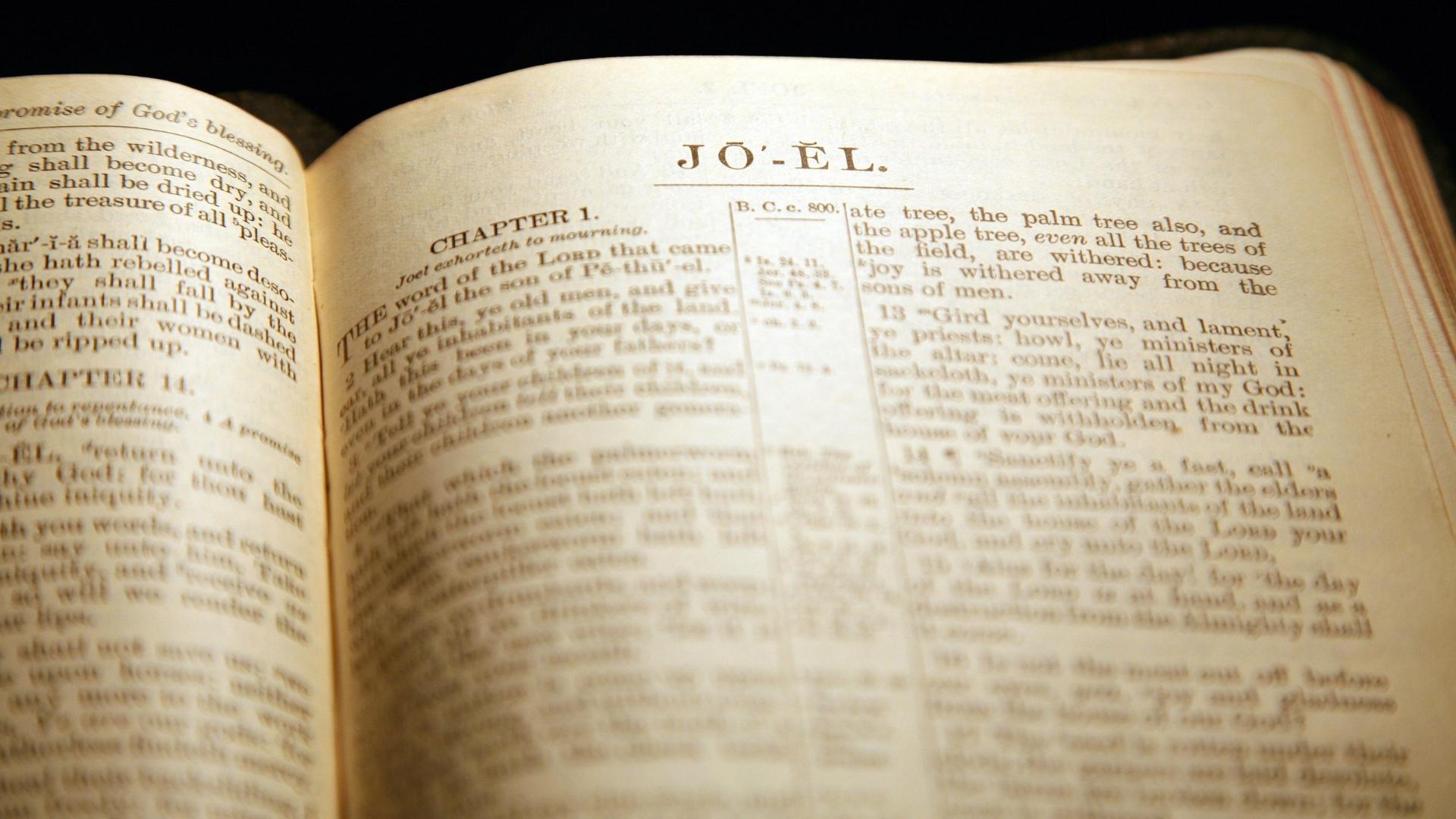
All of this pointed to a greater promise. Through the prophets, God declared a coming shift. Joel 2:28 says, “I will pour out My Spirit on all flesh.” No longer selective. No longer temporary. No longer reserved for prophets and kings. The Spirit would come to dwell within God’s people permanently.
That promise was fulfilled through Jesus Christ. Jesus introduced the Holy Spirit not merely as power, but as Person and Helper. In John 14:16–17, Jesus said, “I will pray the Father, and He will give you another Helper… He dwells with you and will be in you.” This statement marked a turning point in God’s relationship with humanity. God would no longer walk beside His people only; He would live within them.
The Holy Spirit convicts before He comforts. Jesus said in John 16:8 that the Spirit would convict the world of sin, righteousness, and judgment. Conviction is not condemnation. Condemnation pushes people away; conviction draws them toward truth. Romans 8:1 confirms that there is no condemnation for those in Christ. The Spirit exposes in order to heal, not to shame.
One of the primary roles of the Holy Spirit is regeneration. Jesus told Nicodemus that one must be born of the Spirit to enter the kingdom of God (John 3:5–6). Christianity is not moral reform; it is spiritual rebirth. The Holy Spirit does not improve the old nature—He creates a new one. 2 Corinthians 5:17 confirms that anyone in Christ is a new creation. That transformation is the Spirit’s work.
The Holy Spirit is also the teacher of truth. Jesus said in John 14:26 that the Spirit would teach all things and remind believers of what Christ said. This means spiritual understanding does not come from intellect alone. Scripture becomes alive through illumination. This is why Paul prayed that believers would receive the Spirit of wisdom and revelation (Ephesians 1:17). Without the Spirit, the Bible can be read but not fully discerned.
Another vital function of the Holy Spirit is guidance. Romans 8:14 declares that as many as are led by the Spirit of God are the sons of God. Guidance is not always dramatic. Often, it is quiet conviction, inner restraint, or peace that governs decisions. Isaiah 30:21 describes it as a voice saying, “This is the way, walk in it.” The Spirit guides not by force, but by relationship.
The Holy Spirit empowers believers for effective living and ministry. Acts 1:8 records Jesus saying that believers would receive power when the Holy Spirit comes upon them. This power is not for status; it is for witness. Power without purpose leads to pride. The Spirit empowers believers to live boldly, love deeply, and endure faithfully.
The gifts of the Spirit described in 1 Corinthians 12 are expressions of God’s grace in action. Wisdom, healing, prophecy, tongues, and discernment are not trophies; they are tools for service. Paul emphasizes that gifts must operate in love (1 Corinthians 13). Without love, power becomes noise. The Spirit never bypasses character to display ability.
Equally important is the fruit of the Spirit. Galatians 5:22–23 reveals that love, joy, peace, patience, kindness, goodness, faithfulness, gentleness, and self-control are evidence of the Spirit’s work within. Gifts reveal what God can do through you; fruit reveals who God is forming you to be. Fruit sustains what gifts attract.
The Holy Spirit is also the seal and guarantee of our salvation. Ephesians 1:13–14 says believers are sealed with the Holy Spirit as a guarantee of their inheritance. This means salvation is not fragile. The Spirit marks believers as belonging to God. He is the divine assurance that what God began, He will complete (Philippians 1:6).
The Spirit intercedes for believers when words fail. Romans 8:26 explains that the Spirit helps in our weakness, making intercession according to God’s will. This reveals that prayer is not only human effort; it is divine cooperation. When believers pray in alignment with the Spirit, heaven’s will is enforced on earth.
Yet Scripture also warns against grieving or resisting the Holy Spirit. Ephesians 4:30 urges believers not to grieve Him, and Acts 7:51 warns against resisting Him. The Spirit is gentle, not forceful. He leads, but He does not dominate. Sensitivity to the Spirit grows through obedience, humility, and reverence.
Ultimately, the Holy Spirit’s mission is to glorify Christ. Jesus said in John 16:14 that the Spirit would glorify Him. Any movement, teaching, or experience that draws attention away from Christ is not Spirit-led. The Spirit magnifies Jesus, reveals His work, and conforms believers into His image (Romans 8:29).
The Holy Spirit is God’s presence in the believer, God’s power in weakness, and God’s voice in daily life. He is not optional for mature Christianity; He is essential. Without Him, faith becomes effort. With Him, faith becomes life.
Where the Spirit is welcomed, truth is revealed.
Where the Spirit is honored, power flows.
Where the Spirit is obeyed, Christ is formed.
“Now the Lord is the Spirit; and where the Spirit of the Lord is, there is liberty.” — 2 Corinthians 3:17