The Horns of the Wicked — Power Exalted, Power Broken
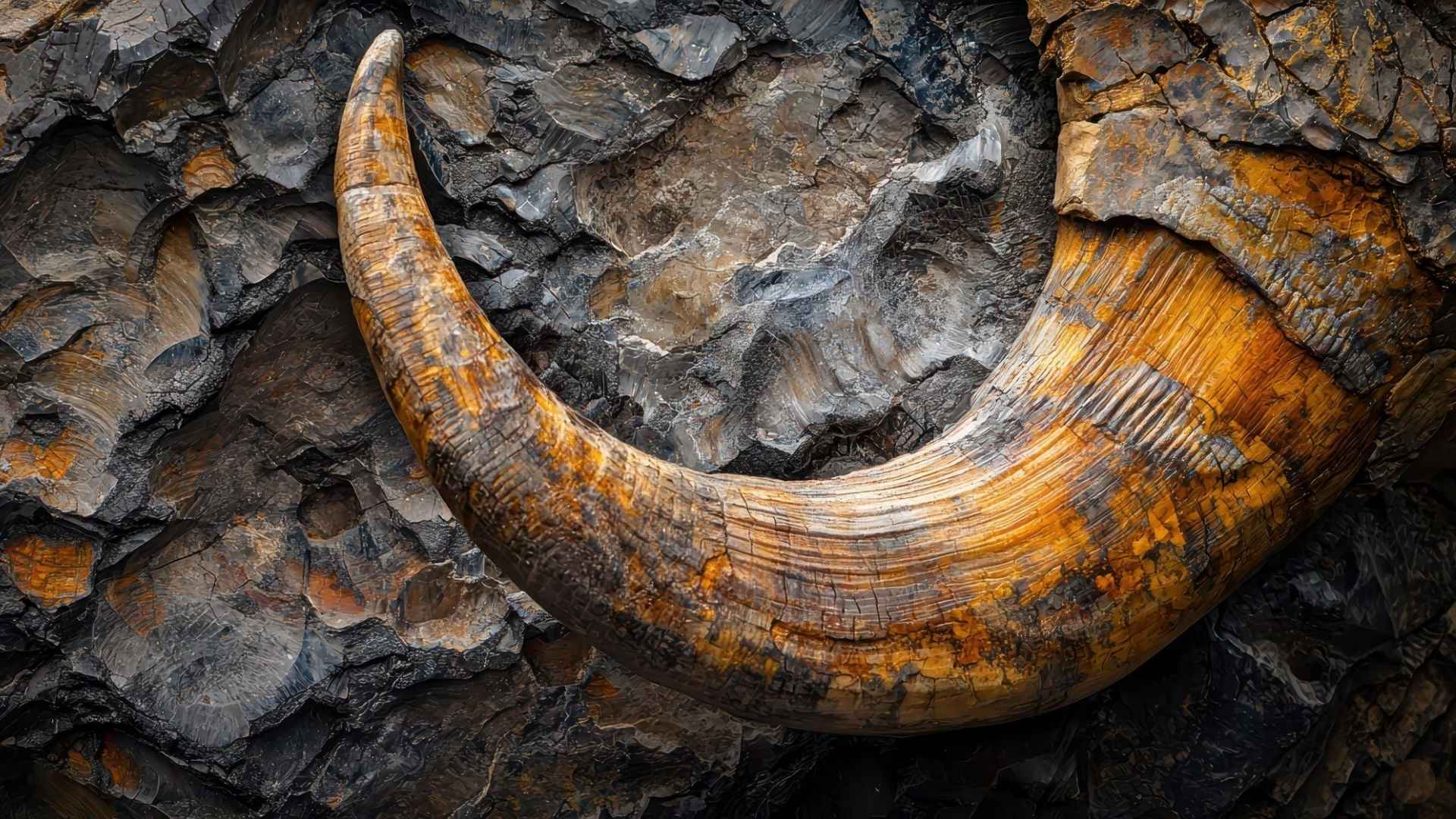
In Scripture, the horn is a powerful symbol. It represents strength, authority, dominance, confidence, and the ability to push, prevail, and influence outcomes. When the Bible speaks about the horns of the wicked, it is not referring to physical horns, but to exalted power used in rebellion against God and oppression against people. It is the visible and invisible systems of strength that ungodly forces rely on to rule, intimidate, resist righteousness, and prolong injustice.
The horn is the place of boasting. It is where pride lifts its head. It is where power assumes permanence. Yet Scripture is consistent and unambiguous: the horns of the wicked do not last.
Psalm 75:4–5 declares, “I said to the boastful, ‘Do not deal boastfully,’ and to the wicked, ‘Do not lift up the horn. Do not lift up your horn on high; do not speak with a stiff neck.’” This passage reveals that when the wicked lift their horn, they are declaring independence from God. A lifted horn is not merely strength—it is defiance.
Throughout the Bible, the horn represents self-exalting power. When power is lifted without submission to God, it becomes dangerous. It may succeed for a season, intimidate nations, silence voices, and suppress righteousness—but it is never secure. God allows horns to rise so He can demonstrate His sovereignty by breaking them.
Hannah understood this mystery deeply. In 1 Samuel 2:1, after years of barrenness and mockery, she prayed, “My heart rejoices in the Lord; my horn is exalted in the Lord.” Then later she declared prophetically, “The adversaries of the Lord shall be broken in pieces” (1 Samuel 2:10). Hannah contrasts two horns: the horn exalted by God and the horn lifted in wickedness. One is sustained by heaven; the other is shattered by judgment.
The horn of the wicked often appears unstoppable. Psalm 37:35 says, “I have seen the wicked in great power, spreading himself like a green tree in its native soil.” This verse captures a troubling reality—evil can appear stable, prosperous, and deeply rooted. But the psalm does not end there. Verse 36 continues, “Yet he passed away, and behold, he was no more.” Wicked horns grow fast, but they fall suddenly.
One of the clearest prophetic pictures of wicked horns appears in Daniel 7 and Daniel 8. Daniel sees beasts with horns representing kings, empires, and systems of power. These horns speak great things, persecute the saints, and resist God’s purposes. Yet every horn that exalts itself is eventually judged. Daniel 7:26 declares, “But the court shall be seated, and they shall take away his dominion, to consume and destroy it forever.” This is divine settlement in action. Wicked power is allowed, examined, judged, and then removed.
This reveals a crucial truth: the horns of the wicked operate under divine permission, not divine approval. God allows them for a time, but He never endorses them. Their rise is temporary; their fall is certain.
The Psalms repeatedly affirm this. Psalm 92:10–11 declares, “But my horn You have exalted like a wild ox; I have been anointed with fresh oil. My eye also has seen my desire on my enemies.” Here again, God contrasts horns. The wicked lift their own horn; the righteous have their horn lifted by God. One relies on manipulation and force; the other rests in divine backing.
The danger of wicked horns is not only in their strength, but in their oppressive function. Ezekiel 34:21 speaks against leaders who push the weak with side and shoulder and thrust with their horns until they scatter the flock. Wicked horns crush, intimidate, silence, and scatter. They dominate without compassion. They rule without justice. They build power at the expense of others.
But God does not ignore oppression. Zechariah 1:18–21 gives a powerful vision where the prophet sees four horns that scattered Judah, Israel, and Jerusalem. Then he sees four craftsmen sent by God to terrify and cast down those horns. This is deeply revealing. God does not merely condemn wicked horns—He assigns agents to dismantle them. For every oppressive power, God has a counter-force prepared.
This means wicked systems are not eternal. They are confrontable. They are removable. They are answerable to heaven.
The horn of the wicked also represents arrogant speech and intimidation. Daniel describes a horn with a mouth speaking great things. Psalm 73 describes the wicked boasting, speaking loftily, and setting their mouth against the heavens. Pride always accompanies wicked power. When a horn rises, pride follows. But Proverbs 16:18 warns, “Pride goes before destruction, and a haughty spirit before a fall.”
God specializes in humbling exalted horns. Pharaoh’s horn was broken in the Red Sea. Nebuchadnezzar’s horn was broken in madness until he acknowledged God. Haman’s horn was broken on the gallows he built for Mordecai. Herod’s horn was broken when he accepted worship and was struck down (Acts 12:23). History is filled with fallen horns.
The cross itself is the ultimate breaking of wicked horns. Colossians 2:15 says that Jesus “disarmed principalities and powers, He made a public spectacle of them.” The greatest horns of darkness—sin, death, and Satan—were broken at Calvary. What looked like weakness was actually victory. What looked like defeat was divine judgment executed.
For the believer, this carries deep assurance. Psalm 112:9 says, “His horn shall be exalted with honor.” God does not leave His people powerless. He does not ask them to compete with wicked horns using fleshly strength. He lifts the horn of the righteous in His own way and in His own time.
The believer’s confidence is not in resisting horns directly, but in trusting God to deal with them. Psalm 75:6–7 says promotion does not come from the east, west, or south, but God puts down one and exalts another. Horns fall and rise at God’s command.
There is also a warning here. Power itself is not evil—how it is lifted matters. A horn lifted by pride becomes wicked. A horn lifted by God becomes righteous. Authority without submission becomes rebellion. Strength without humility becomes destruction.
The final promise is clear. Psalm 75:10 declares, “All the horns of the wicked I will cut off, but the horns of the righteous shall be exalted.” This is not poetry—it is prophecy. Wicked power has an expiration date. Righteous authority has divine backing.
So when wicked horns rise around you—systems, voices, threats, oppression—do not panic. Do not envy. Do not imitate. Stand firm. Heaven has seen them before. Heaven has judged them before. Heaven knows how to break them.
The horn of the wicked may rise loudly,
but it will fall suddenly.
And the horn the Lord exalts
will stand in honor, peace, and lasting victory.