The Laughter (Isaac): Why Did Sarah Laugh? – A Revelation from Genesis 18
The Laugh (Isaac) is one of the most mysterious and prophetic moments in Scripture. A moment where doubt and destiny collided, where unbelief met unexpected divine promise. In Genesis 18, Sarah’s laughter was not just a reaction; it was a window into the human heart, revealing how God often speaks promises that contradict our circumstances, age, history, and logic. The story of The Laugh (Isaac) is not simply about a child being born in old age; it is about the supernatural ability of God to override human limitations.
1. The Encounter That Shifted Everything
Genesis 18 presents one of the most intimate divine visitations in the Old Testament. Three heavenly visitors appear to Abraham under the trees of Mamre. Amid hospitality and fellowship, a prophetic word breaks forth:
“I will surely return to you about this time next year, and Sarah your wife shall have a son.”
(Genesis 18:10, ESV)
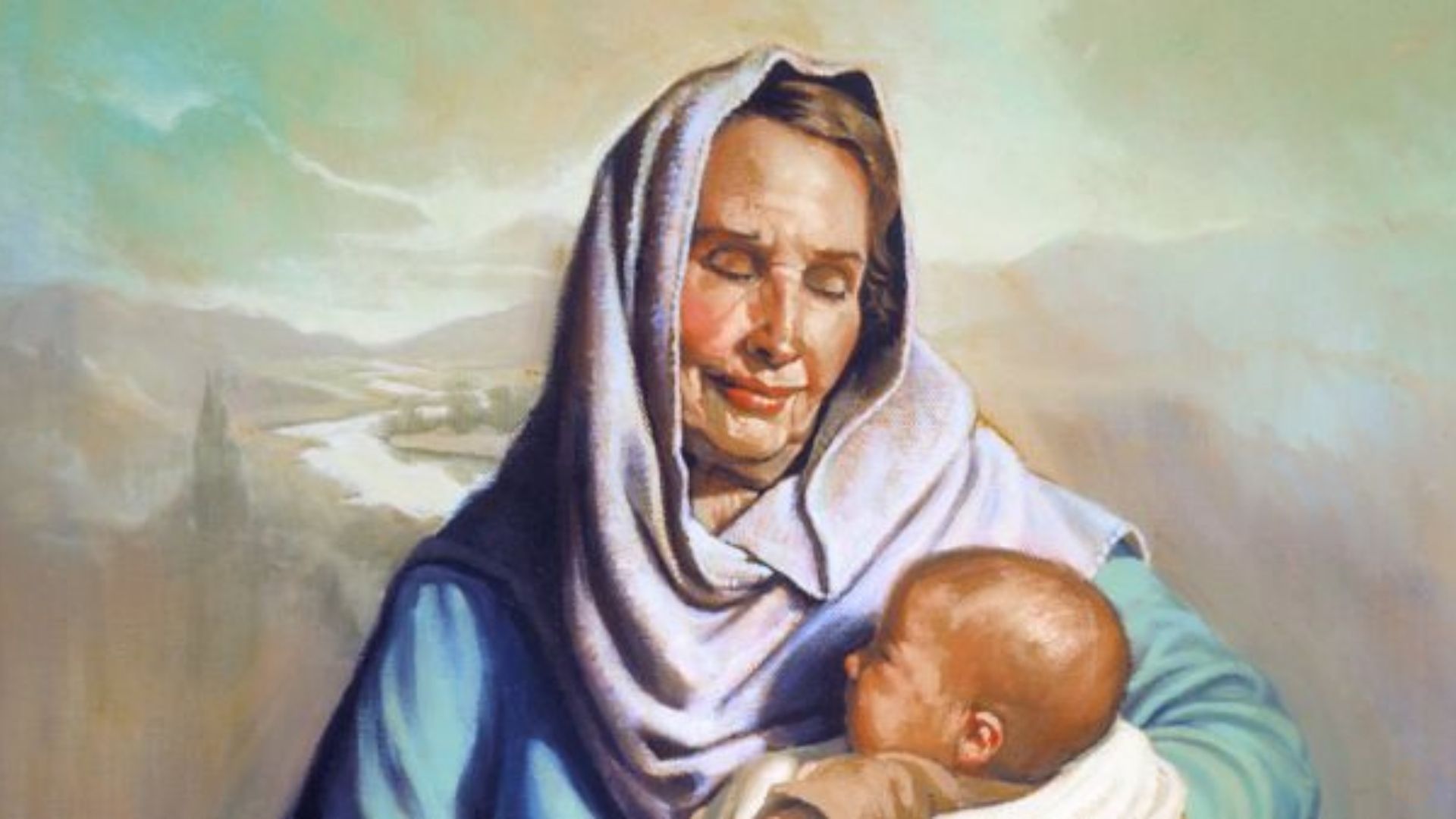
This is the moment that initiates The Laugh. Sarah overhears the conversation from inside the tent. She is listening but not believing; hoping but not expecting. Her ears heard God’s promise, but her heart heard her past disappointments.
2. Why Did Sarah Laugh? The Human Side of Faith
Scripture says:
“So Sarah laughed to herself, saying, ‘After I am worn out, and my lord is old, shall I have pleasure?’”
(Genesis 18:12)
Sarah laughed because:
• She evaluated God’s promise through human logic.
Her age (around 90) and Abraham’s age (around 100) made childbearing impossible by natural standards.
• She was tired from years of waiting.
Hope deferred had made the heart sick (Proverbs 13:12). She had believed before and been disappointed before.
• She forgot who was speaking.
She heard the promise, but she did not yet recognize the Promiser standing outside the tent.
• She internalized the impossibility.
Her laughter was not joy—it was a blend of shock, disbelief, and emotional exhaustion.
Sarah’s reaction mirrors many believers today. When God speaks something too big, too late, or too strange, our first instinct is often an internal laugh of unbelief. This is where the revelation of The Laugh begins to unfold.
3. God Responds to Sarah’s Private Laughter
The Lord does not ignore Sarah’s laughter. He addresses it, not to shame her, but to reveal His identity.
“Why did Sarah laugh… Is anything too hard for the Lord?”
(Genesis 18:13–14)
This question is the cornerstone of The Laugh.
It confronts every fearful, doubtful, exhausted, and disappointed heart:
Is anything too hard for God?
Is any prayer too delayed?
Any womb too old?
Any story too broken?
Any destiny too far gone?
The focus keyword The Laugh captures this exact tension—Sarah’s laughter meets God’s limitless power.
4. The Prophetic Mystery of Isaac’s Name
God tells Abraham what the child will be named:
“You shall call his name Isaac.” (Genesis 17:19)
Isaac means “laughter.”
But here’s the mystery:
-
Sarah first laughed in unbelief
-
But God turned her unbelief into prophetic fulfillment
-
The child became a symbol that God can turn doubt into testimony
Sarah laughed from doubt.
Isaac was born as laughter from joy.
This is the divine reversal embedded inside The Laugh.
5. From Doubt to Delight — The Transformation
By the time Isaac was born, the laughter had transformed:
“God has brought me laughter, and everyone who hears will laugh with me.”
(Genesis 21:6)
The same woman who laughed privately in unbelief now laughs publicly in praise.
Revelation:
God specializes in turning secret doubts into public celebrations.
He turns hidden pain into visible promise.
He turns whispered questions into undeniable miracles.
This is the message at the heart of The Laugh; your current disbelief cannot stop God’s appointed promise.
6. The Spiritual Lessons Hidden in Sarah’s Laughter
1. God’s timing is not affected by our age.
Your “too late” is not God’s “too late.”
2. God will revisit the place of old disappointments.
He returned “about this time next year” with manifestation.
3. God hears even internal doubts.
Sarah “laughed to herself,” yet God responded.
4. Destiny is stronger than disbelief.
Sarah laughed, but she still conceived.
5. God turns ridicule into rejoicing.
What once seemed impossible becomes a testimony.
7. The Laugh and Your Life Today
Your promise may look delayed.
Your prophecy may feel unbelievable.
Your circumstances may contradict God’s word.
But The Laugh reminds us that God does not need perfect faith to fulfill His purpose. He only needs willingness and obedience.
If Sarah could laugh in doubt and still receive her miracle, then there is hope for every believer who is wavering, tired, discouraged, or unsure.
God’s promises do not fail because of human weakness—His word stands on His own power.
Conclusion
The Laugh is not just a story about childbirth—it is a revelation about the God who performs the impossible. Sarah laughed because her pain, age, and limitations clouded her expectation. But God turned her laughter of doubt into a laughter of destiny.
Genesis 18 teaches us that God is not intimidated by our questions, fears, or disbelief.
His question still echoes today:
“Is anything too hard for the Lord?”
And His answer is always the same: No.
Your Isaac is coming.
Your laughter of joy will replace your laughter of doubt.
Your promise will speak—right on time.
Image Source: agospelcenteredhome.com