
The Noah’s Ark — Building of Faith
The story of Noah’s Ark is far more than a children’s tale or a historical event. It is a profound spiritual blueprint on how faith is built, tested, strengthened, and ultimately rewarded. The Ark was not just a vessel of wood; it was a vessel of obedience, patience, endurance, and trust in God’s voice long before there was any visible evidence. Noah did not merely build a boat—he built faith. Every hammer strike, every plank added, every moment of ridicule endured was a declaration: “I believe God.”
Genesis 6 introduces Noah as a man who found grace in the eyes of the Lord. Before any instruction, before any warning, before any command, there was grace. That is where faith begins. Faith does not start with our strength; it starts with God’s favor. Noah walked with God, and because of that relationship, he could hear what others ignored. The building of the ark began with intimacy. Before Noah built something for God, he walked with God. Faith is born in the heart long before it is expressed in action.
When God commanded Noah to build the ark, it had never rained in the way God described. There was no storm on the horizon, no dark clouds, no sign of water rising. Yet God spoke of a coming flood. Noah believed a future Word without present evidence. This is the essence of faith: believing the invisible until it becomes visible. Hebrews 11:7 captures this truth powerfully: “By faith Noah, being warned of things not yet seen, moved with godly fear, prepared an ark…” Faith builds today based on what God says about tomorrow.
Noah’s obedience was radical. The ark took decades to construct. Day after day, Noah faced questions, mockery, doubt, and public misunderstanding. It is easy to obey God when results come quickly, but Noah teaches that true faith endures long seasons of silence. The building of the ark was the building of perseverance. Noah learned to obey when it was unpopular, to trust when it was inconvenient, and to build when nothing made sense. Real faith is not emotional—it is consistent.
The ark itself represents salvation through obedience. God provided the plan, the dimensions, the instructions, and the materials. Noah simply followed. Faith does not mean improvising; it means submitting. Noah did not design his own version of the ark. He did not adjust the blueprint. He did not shrink it or enlarge it. He built according to the pattern God gave. Faith submits to divine patterns even when they challenge human logic.
As the ark rose plank by plank, so did Noah’s faith. Every completed section was a testimony that he believed God more than culture. His hands were building wood, but his heart was building conviction. When the first drops of rain finally fell, Noah’s lifelong obedience became a doorway of refuge. What was once mocked became the very vessel that preserved life. Faith often looks foolish until God moves—then it becomes wisdom.
The ark also symbolizes separation. When Noah entered the ark, God shut the door (Genesis 7:16). This is a prophetic picture: when you walk in obedience, God seals you into His purpose. He separates you from what is falling apart around you. In seasons of judgment, turmoil, or crisis, God always preserves those who walk with Him. The ark was not comfortable; it was safe. Sometimes faith brings you into seasons that feel tight, restricted, or hidden, but they are divine protection.
Inside the ark, Noah encountered a new level of dependence. Days turned to weeks, weeks turned to months, and the earth remained covered with water. Faith waiting is often harder than faith building. Noah had to trust God’s timing to release him. Just because God closes the door does not mean He has abandoned you; it means He controls the timing of the next season. Noah rested inside the ark until God said, “Go out.” Faith builds, faith waits, and faith listens.
When the waters receded and Noah stepped out, the world he knew had completely changed. The ark was not just a shelter; it was a vessel of transition. Faith carries you from one world into another, from one chapter into a new beginning. Noah emerged into a fresh world, purified, reset, renewed. Every act of obedience prepares you for a new season. The ark brought Noah to a mountain—Ararat—symbolizing elevation. Faith lifts you above the floods.
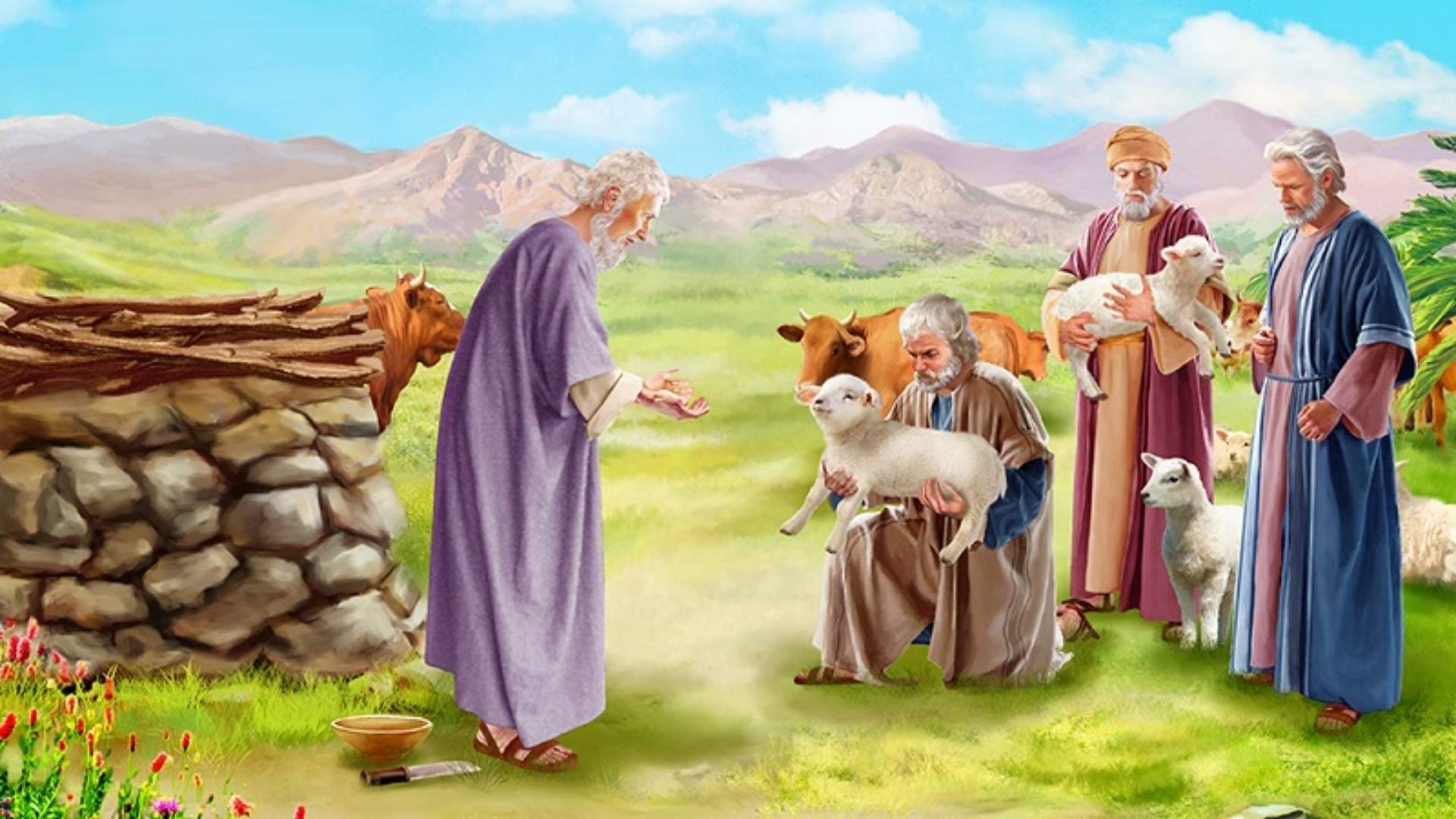
Noah’s first act after stepping out was worship. He built an altar. The man who built an ark for obedience now built an altar for gratitude. This shows the full circle of faith: it begins with grace, continues with obedience, and ends with worship. God responded to Noah’s altar with covenant, promising never again to destroy the earth in that manner. Faith does not just change you—it moves God.
The story of Noah’s Ark teaches that faith is not built in moments; it is built over time. It is often tested by silence, strengthened by obedience, and proven by endurance. Faith builds when no one sees. Faith stands when no one agrees. Faith waits when nothing changes. Faith obeys when everything questions. And faith receives its reward in God’s perfect timing.
In your own life, the ark represents what God has called you to build: your calling, your ministry, your purpose, your family, your future. It may not make sense to others. It may feel slow. It may require sacrifice. But if God has spoken it, build it. If God has assigned it, pursue it. If God has declared it, trust it.
The rain will come. The floods will rise. The world will shake. But what you build by faith will stand. What God commands, He protects. What He instructs, He sustains. What He blesses, He completes.
Your ark is rising. Your faith is growing. And in due time, you will testify that everything God said came to pass.