The Purpose of Prayer
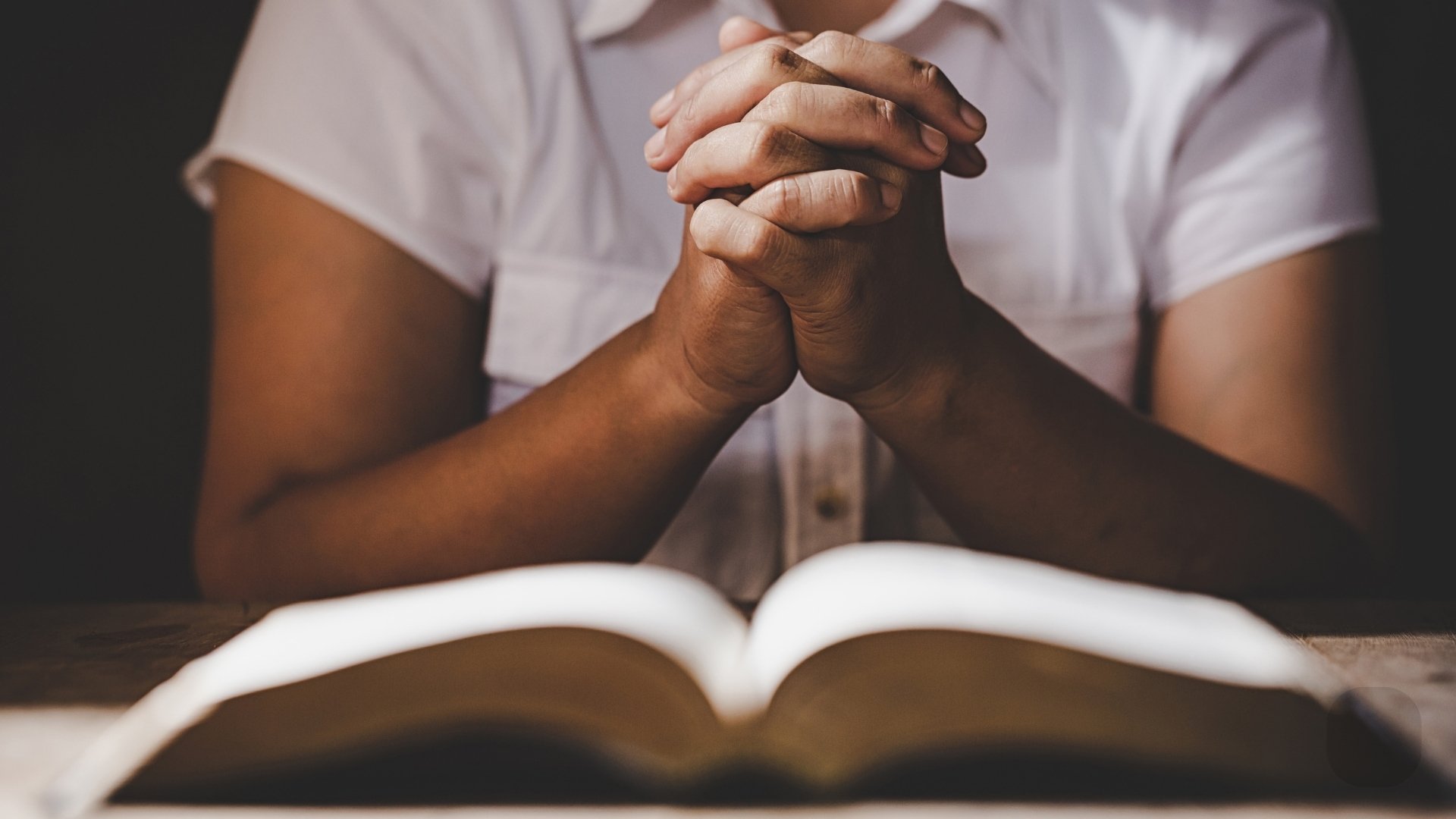
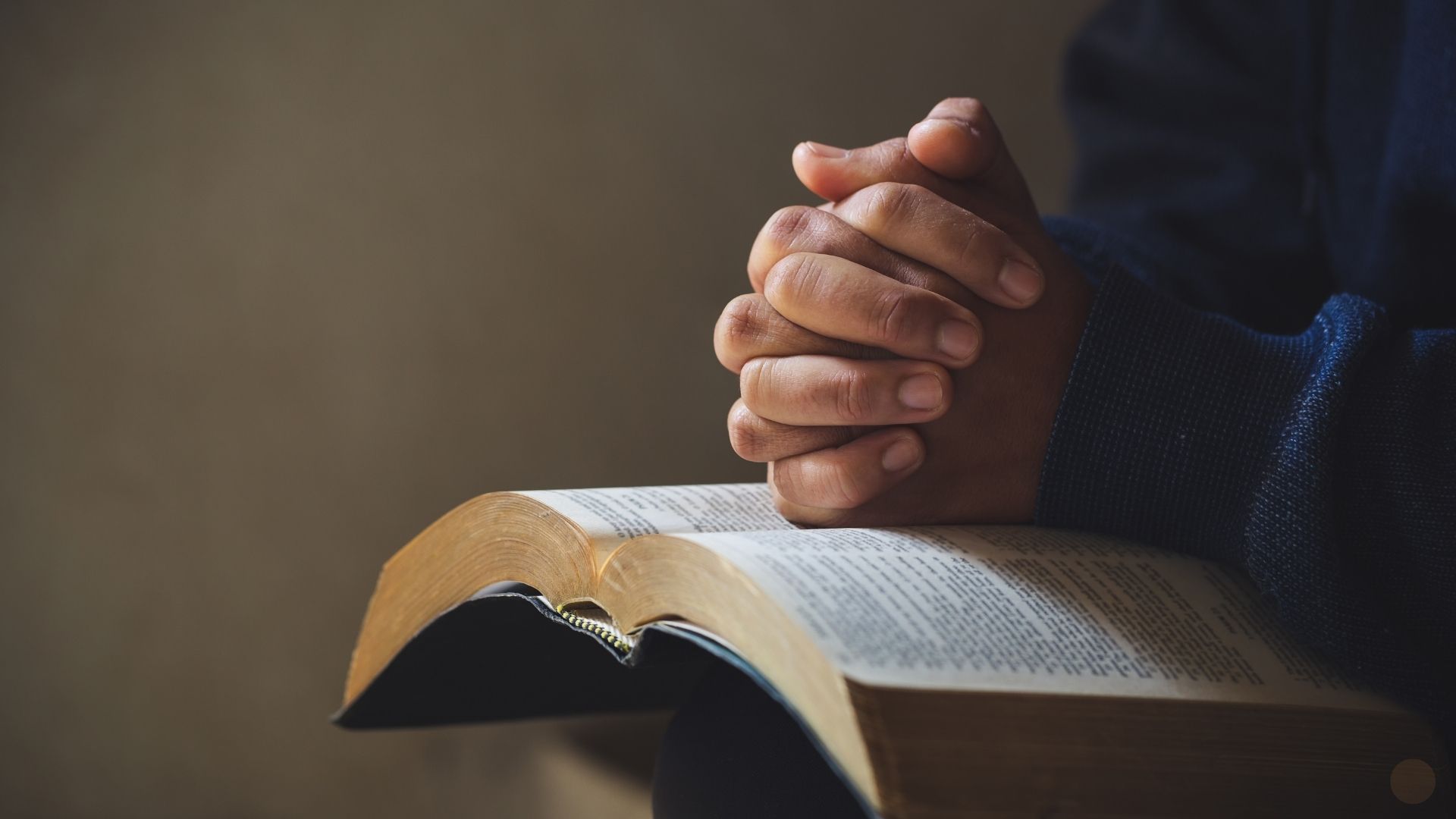
Prayer is more than words, more than habit, and more than a religious exercise. Prayer is the lifeline between humanity and God, the invisible thread that ties the finite to the infinite. The purpose of prayer is not simply to ask for things—it is to become aligned with the heart of God. It is the place where transformation happens, where burdens lift, where clarity comes, and where the soul meets its Source. Prayer is the environment where God shapes us, reveals Himself to us, and releases His will through us.
The first purpose of prayer is relationship. God never intended prayer to be a duty; He designed it as communion. In Genesis, God walked with Adam in the cool of the day. Relationship came before religion. Fellowship came before requests. Jesus reflected this pattern by withdrawing often to pray, not because He lacked power, but because He valued intimacy (Luke 5:16). Prayer draws us close enough to hear God’s heartbeat. It transforms God from an idea into a Father, from a doctrine into a Friend, from a concept into an experience. When Jesus taught, “Our Father in heaven” (Matthew 6:9), He was revealing prayer as connection, not performance.
The purpose of prayer is also alignment with God’s will. Jesus prayed in Gethsemane, “Not My will, but Yours be done” (Luke 22:42). Prayer is the place where our desires bend to God’s desires. It is where stubbornness breaks, pride softens, and clarity returns. When the disciples asked Jesus to teach them to pray, He began with, “Your kingdom come, Your will be done” (Matthew 6:10). Prayer is not twisting God to match our plans—it is God shaping us to fit His purpose. When prayer becomes alignment instead of demand, peace replaces pressure.
Prayer is the engine of spiritual power. Every spiritual victory in Scripture is tied to a praying person. Elijah prayed and the heavens responded. Daniel prayed and angelic intervention broke through darkness. The early church prayed and the place where they gathered shook (Acts 4:31). Jesus prayed before choosing the twelve. He prayed before miracles. He prayed before Gethsemane. If the Son of God needed prayer, every believer needs it even more. Prayer fuels authority. Prayer sharpens discernment. Prayer ignites spiritual strength. Without prayer, even gifted people become powerless; with prayer, even ordinary people become vessels of the supernatural.
Prayer also serves the purpose of transformation. It changes us before it changes situations. In prayer, God confronts our fears, heals our wounds, exposes hidden motives, and strengthens our character. The Psalmist prayed, “Create in me a clean heart, O God” (Psalm 51:10). That is transformation. Paul said, “Be anxious for nothing, but in everything by prayer…” (Philippians 4:6). Prayer is where anxiety shifts into peace, where heaviness shifts into hope. Many times God doesn’t remove the mountain immediately; He strengthens the climber first.
Another purpose of prayer is access to divine wisdom. When Solomon prayed, God gave him wisdom greater than kings. When Daniel prayed, mysteries were revealed. James says, “If any of you lacks wisdom, let him ask of God” (James 1:5). Prayer opens the mind to Heaven’s intelligence. It is the meeting place where God releases direction, ideas, clarity, and solutions. Prayer is not just emotional; it is strategic. Many doors we force by effort would open easily through discernment gained in prayer.
Prayer is also the channel of spiritual warfare. Scripture teaches that we wrestle not against flesh and blood (Ephesians 6:12). Prayer dismantles demonic schemes, breaks generational patterns, protects destiny, and enforces the victory Christ won. When Peter was bound by Herod, the church prayed without ceasing, and an angel entered the prison (Acts 12:5–7). Heaven moves when believers pray. Prayer is the legal ground through which God’s power invades earthly situations. It is the weapon the enemy fears most because he cannot stop a praying believer.
Prayer strengthens dependence on God. It humbles the soul and reminds us that we cannot win by human strength. Jesus told His disciples, “Without Me you can do nothing” (John 15:5). Prayer anchors the believer in this truth. It trains the heart to trust instead of worry, to lean instead of strive, to surrender instead of control. Prayer shifts the weight of life from our shoulders to God’s shoulders.
Finally, prayer is the place of encounter. It is where God reveals Himself, where His presence becomes tangible, where the soul senses His nearness. Moses prayed, “Show me Your glory” (Exodus 33:18), and God revealed Himself. Hannah prayed, and her sorrow turned to joy (1 Samuel 1:10–20). Prayer is not simply communication; it is visitation. It creates an atmosphere where God meets humanity in ways that transform entire destinies.
The purpose of prayer is bigger than requests, bigger than crisis, bigger than ritual. Prayer is relationship. Prayer is alignment. Prayer is transformation. Prayer is wisdom. Prayer is warfare. Prayer is power. Prayer is encounter. Prayer is the breath of every believer’s spiritual life — to stop praying is to stop breathing spiritually.
When you understand the purpose of prayer, you no longer pray only when you need something; you pray because you need God. You pray because His presence is life, His voice is direction, His power is strength, and His will is peace. Prayer becomes not an obligation but a privilege — the doorway through which Heaven touches earth and earth reaches toward Heaven.