The Rod of Moses — When the Ordinary Becomes Instrument of the Divine
The story of the rod of Moses is one of the clearest revelations in Scripture that God does not need a perfect vessel, a powerful tool, or a grand resource to fulfill His purpose. He simply needs something surrendered. The rod in Moses’ hand was not extraordinary. It was not carved by angels. It was not dipped in heavenly fire. It was an ordinary shepherd’s staff—dry, simple, unimpressive. Yet when God touched it, the rod became a weapon, a sign, a voice, and an extension of divine authority.
When Moses encountered God at the burning bush, one of the first questions God asked him was, “What is that in your hand?” (Exodus 4:2). Moses replied, “A rod.” Nothing special. Nothing sacred. Yet God chose it because Moses already carried it. This is the mystery of God’s workings: He starts with what you have, not what you wish you had. He anoints what is available, not what is impressive. God takes the ordinary and clothes it with the extraordinary.
God commanded Moses to throw the rod on the ground, and it became a serpent (Exodus 4:3). When Moses picked it up again, it became a rod. This moment was God showing Moses that the natural becomes supernatural when surrendered, and the supernatural becomes ordinary again when removed from obedience. The rod in Moses’ hand was a sign that authority flows from surrender, not from skill.
When Moses stood before Pharaoh, he did not come with arguments, political power, or military force. He stretched out the rod. The rod confronted kingdoms. The rod defied magicians. The rod declared that God had stepped into the battle. The plagues that followed were not simply acts of judgment—they were revelations that God uses weak things to shame the strong (1 Corinthians 1:27). A shepherd’s rod shook the empire of Egypt.
The rod became the instrument through which God released signs—water turned to blood, frogs invaded the land, darkness covered Egypt. Each miracle carried a message: The authority does not lie in the rod, but in the God who empowered it. The rod was simply obedience manifested.
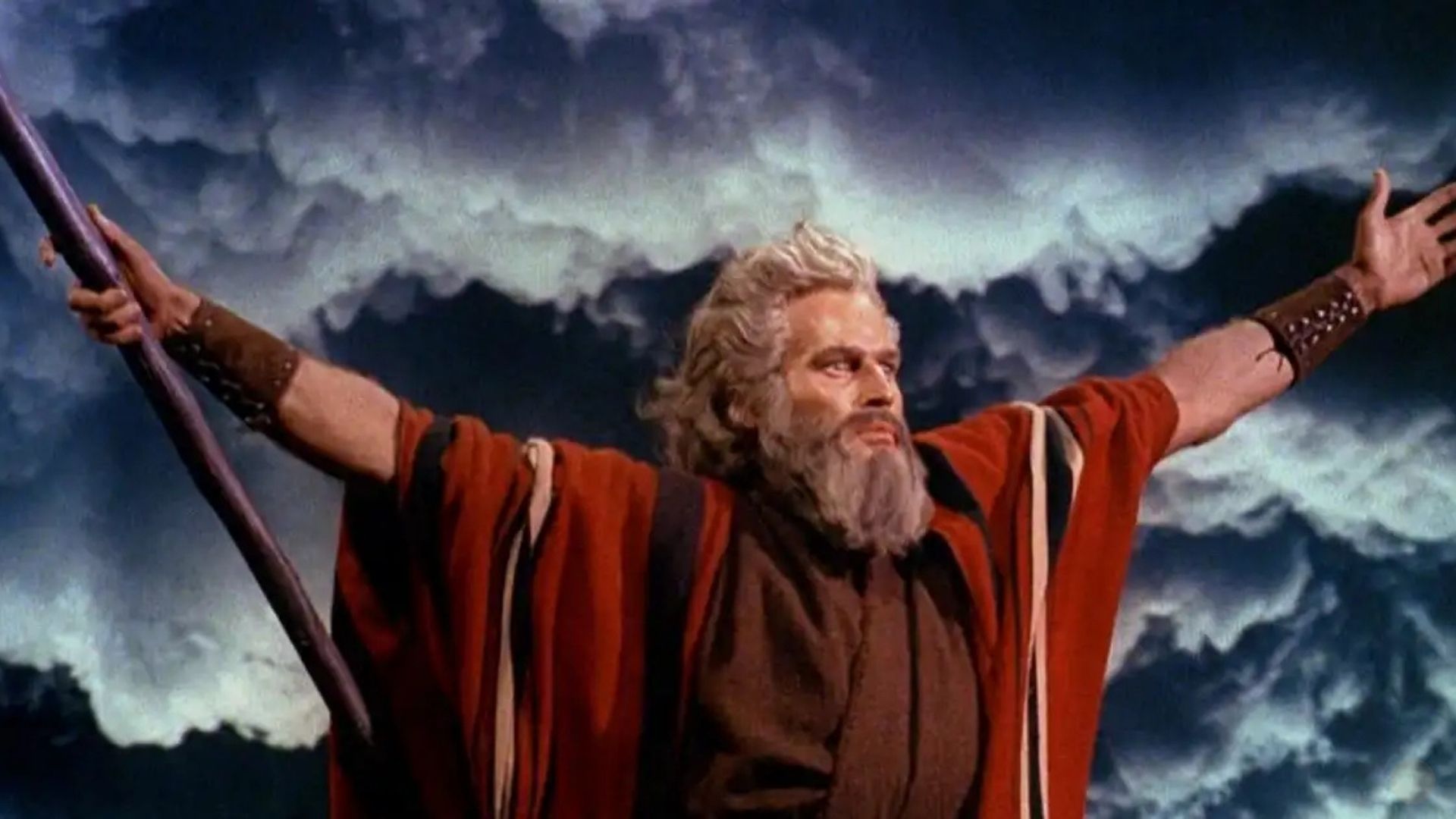
The climax of the rod’s assignment appears at the Red Sea. Israel stood trapped—sea before them, Pharaoh behind them, mountains beside them. Fear rose, panic spread, and Moses cried out to God. But God said, “Why cry to Me? Tell the children of Israel to go forward. Lift up your rod…” (Exodus 14:15–16). The solution was already in Moses’ hand. The miracle was waiting for movement. The sea did not part because Moses prayed; it parted because Moses obeyed. The rod stretched out became the bridge between captivity and freedom.
And when Moses lifted the rod, the waters responded. Creation recognized the authority of its Creator expressed through a yielded vessel. The sea stood like walls. Israel crossed on dry ground. The rod became the symbol of deliverance—proof that God can use anything surrendered to Him.
The rod did not only part waters; it opened heaven’s provision. In Exodus 17, when the people thirsted and murmured, God told Moses to strike the rock with the rod. Water gushed out. Life flowed from impossible places. The rod revealed that when God rests His hand on something, even rocks become fountains. Obedience transforms impossibility into testimony.
Later in battle, the rod appeared again. Israel fought the Amalekites, and Moses stood on the hill with the rod of God in his hand (Exodus 17:9–11). When Moses lifted the rod, Israel prevailed. When his hands grew weary and the rod lowered, Amalek prevailed. The rod became a picture of spiritual authority and intercession—victory rises when authority is lifted. Destiny prevails when spiritual alignment is maintained.
But there is an even deeper revelation in the rod of Moses. Before the rod carried divine power, it carried Moses’ identity. It was the rod of a shepherd, the symbol of a man who had fled from Egypt, who had buried his confidence, who believed he was finished. Yet God used the rod to reverse the narrative. The rod that once represented Moses’ past became the instrument of Moses’ purpose. What once symbolized hiding became the tool of destiny. This teaches that God does not discard your history—He redeems it. He turns shame into strength and ordinary experiences into divine assignments.
Even more profound is the moment when the rod changes identity. At the beginning, Scripture calls it “the rod of Moses.” But after God’s empowerment, Exodus 4:20 calls it “the rod of God.” This transformation reveals the heart of divine partnership—what you give to God becomes God’s instrument. What you surrender becomes supernatural. When your natural ability is yielded, God breathes on it until it becomes something Heaven can use.
The rod becomes a prophetic picture of every believer. You are the rod in God’s hand. You may feel ordinary, simple, inadequate, or unqualified. But once surrendered, God uses you to confront darkness, part impossible seas, bring water from dry places, and carry victory for others. The miracle is not in the object but in the surrender. Not in the vessel but in the anointing. Not in the hand but in the God behind the hand.
The rod also shows that disobedience limits divine manifestation. In Numbers 20, Moses struck the rock instead of speaking to it. The rod still produced water, but Moses lost part of his destiny. This reveals a sobering truth: the anointing may still work, but obedience determines inheritance. The rod remained powerful, but the man’s mistake affected his journey. Gifts flow, but destiny is shaped by obedience.
Throughout Scripture, the rod ultimately points to Christ. Jesus is the “Rod from the stem of Jesse” (Isaiah 11:1). He is the Shepherd whose rod and staff comfort us (Psalm 23:4). He is the One who leads us out of bondage, defeats our enemies, and opens paths where none existed. The rod of Moses was a shadow; Jesus is the substance. Moses lifted a rod to part the sea—Jesus lifted a Cross to part the veil. Moses used a rod to bring water from the rock—Jesus declared, “If anyone thirsts, let him come to Me and drink.”
The rod of Moses reminds us that God always places something in your hand that connects to your assignment. It may be a gift, a skill, a calling, a resource, a story, or a burden. Your “rod” may seem small, but in God’s hands, it becomes deliverance for many.
So God still asks today:
“What is that in your hand?”
What gift have you overlooked?
What ability have you discounted?
What calling have you doubted?
What seed have you refused to plant?
What assignment have you delayed?
When God touches what is in your hand, it becomes a rod that parts seas, confronts systems, and shifts nations.