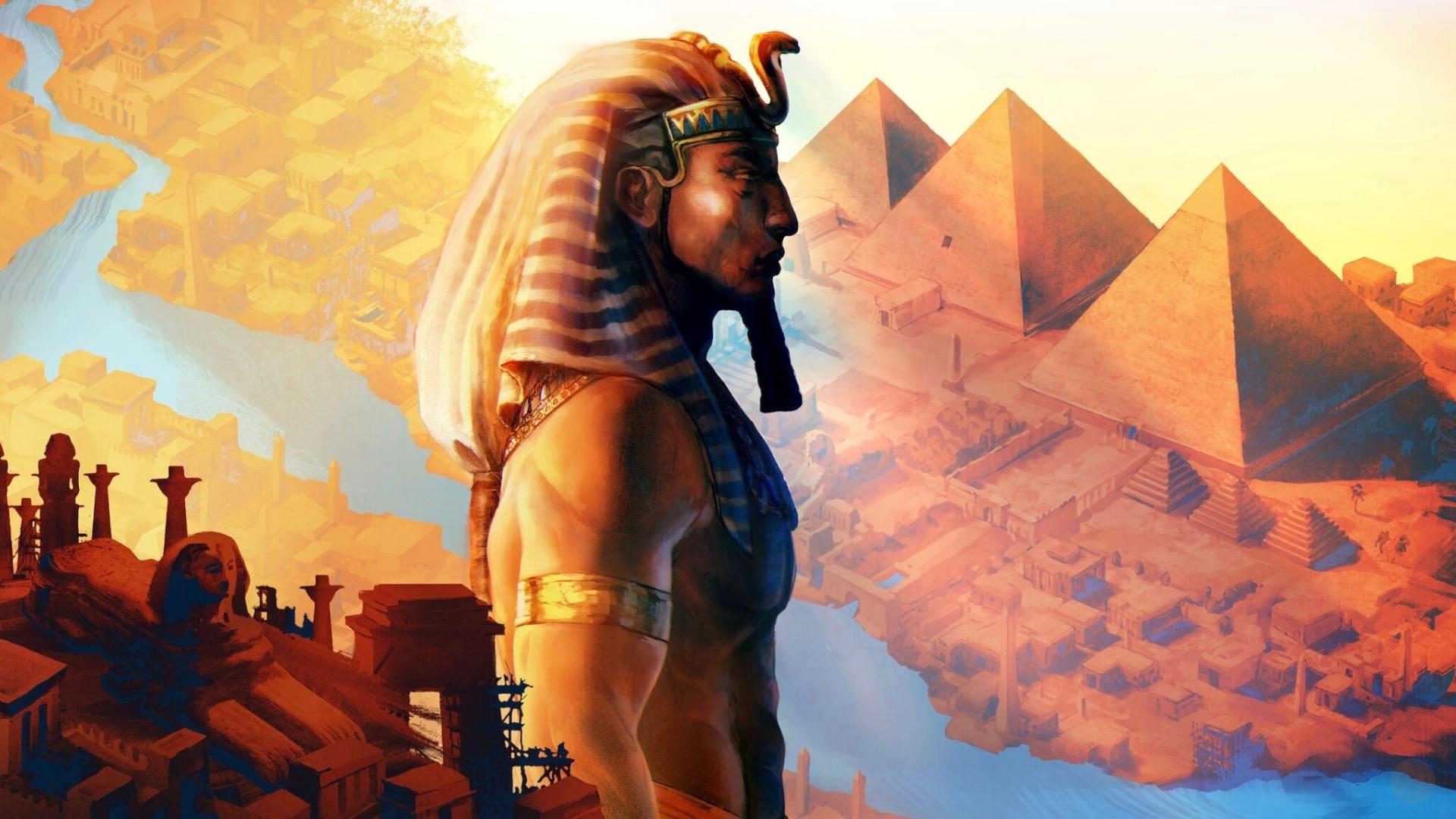
The Spirit of Pharaoh — Understanding the Power That Fights Your Freedom
The Bible introduces Pharaoh as a king, a ruler, and a political authority. But deeper than his position was a spiritual posture. Pharaoh represents a spirit—a mindset, a system, and a demonic influence that fights the freedom of God’s people. When you study Scripture carefully, you discover that Pharaoh is more than a character in Exodus. He symbolizes a spiritual force that still works today—one that resists deliverance, opposes destiny, and seeks to keep people bound in cycles they can’t break.
The Spirit of Pharaoh is the spirit that says, “Stay where you are. Don’t grow. Don’t change. Don’t move forward.” It is the voice that resists your spiritual progress and fights every step you take toward God’s purpose. For the Israelites, Pharaoh was not just a king; he was a captor, a controller, and a restrictor. And many people today still face this spiritual force in different forms—fear, old habits, emotional bondage, toxic cycles, oppressive systems, generational patterns, and internal battles that won’t let them rise.
When God sent Moses to tell Pharaoh, “Let My people go,” He was not simply negotiating a political release; He was confronting a spiritual power. The spirit of Pharaoh holds on tightly. It does not let go easily. It resists divine instructions. It refuses change. It hardens the heart. It delays deliverance. It increases pressure. It attacks identity. And it seeks to exhaust people until they stop believing in breakthrough.
One of the most revealing moments in Exodus is when God shows Moses the true nature of Pharaoh: “I know that the king of Egypt will not let you go unless a mighty hand compels him.” (Exodus 3:19). This means the spirit of Pharaoh only responds to power—not emotion, not negotiation, not reasoning, but divine force. When God steps into the battle, Pharaoh’s grip breaks. Until then, it tightens.
The spirit of Pharaoh is also a spirit of burden. The Israelites worked hard, but the harder they worked, the more Pharaoh increased their load. This is exactly how spiritual bondage operates. It keeps people busy but not productive. It exhausts the body but never satisfies the soul. It keeps someone working but never winning. Exodus 1:13 says, “The Egyptians worked them ruthlessly.” That is how the enemy treats anyone under spiritual captivity—through pressure, exhaustion, and discouragement.
Another aspect of the spirit of Pharaoh is control. He wanted to control the Israelites’ bodies, their time, their movements, and even their worship. In Exodus 8, Pharaoh told Moses the people could worship, but only within Egypt—a form of partial obedience. The spirit of Pharaoh always offers compromise. It says, “You can be spiritual, but not too spiritual. You can obey God, but not fully. You can love God, but stay in the same bondage.” This is still how the enemy operates. He tries to keep believers in cycles where they experience God but never fully step into freedom.
The spirit of Pharaoh also attacks identity. Before God called Israel “My firstborn son,” Pharaoh called them slaves. The enemy always tries to rename what God has already defined. He tells people they are not enough, not called, not capable, not worthy. He uses lies to shape identity. That’s why deliverance begins with revelation—when God tells you who you truly are. Once you know your identity, Pharaoh’s chains begin to weaken.
A powerful revelation in Exodus is that Pharaoh hardened his own heart—and then God hardened it further. This shows that the spirit of Pharaoh thrives in stubbornness. It resists the move of God. It refuses conviction. It rejects truth. It refuses to surrender. You cannot reason with the Pharaoh spirit in your life. You confront it through prayer, truth, and perseverance. Jesus said in John 8:36, “Whom the Son sets free is free indeed.” Pharaoh must bow to Christ.
But even when God sent signs, Pharaoh refused to let go. This teaches that some spiritual battles take persistence. Freedom does not always come instantly. Sometimes God allows the battle to continue so He can reveal His glory, strengthen your faith, and break every hidden attachment. Every plague in Egypt exposed a false god, a lie, a system, or a stronghold. Sometimes God confronts your Pharaoh in stages because He is not only freeing you from bondage — He is freeing bondage from you.
The spirit of Pharaoh also represents delay. For years the Israelites prayed for freedom, yet nothing changed. But delay does not mean denial. When God finally moves, He accelerates. Overnight, a nation that suffered for centuries walked out with wealth, dignity, identity, and God’s presence. When God breaks a Pharaoh spirit, He restores time, favor, and destiny.
Another mystery about the spirit of Pharaoh is that it follows even after you escape. Exodus 14 shows Pharaoh chasing Israel to the Red Sea. This reveals that some battles try to return. Old habits try to return. Old relationships try to return. Old fears try to return. Old addictions try to return. The spirit of Pharaoh hates losing control, so it chases after people. But the Red Sea teaches us this: what chased you will drown when God finishes the work. God did not deliver Israel halfway; He delivered them completely.
In every believer’s journey, there comes a moment when God says, “Enough.” He stretches His hand, opens the sea, makes a way where there is no way, and destroys what tried to destroy you. That is deliverance from the spirit of Pharaoh. It is not just escape—it is permanent freedom. It is not just release—it is elevation. It is not just survival—it is transformation.
The spirit of Pharaoh also reminds us that God raises deliverers in times of oppression. Moses was born during the worst season of Israel’s suffering. In the same way, God raises people, ideas, opportunities, and divine helpers right in the middle of your darkest season. Your Pharaoh may be strong, but God always raises a Moses. You are never abandoned, even when you feel surrounded.
The revelation of the Spirit of Pharaoh is simple but powerful:
It is any force that fights your freedom, but no Pharaoh can stand against the power of God.
Every Pharaoh in Scripture eventually bowed. Every chain eventually broke. Every captive eventually walked out. That same God is still breaking Pharaoh systems today—fear, oppression, addiction, limitation, delay, and every voice that says, “You cannot leave here.”
When God arises, Pharaoh falls. When God speaks, chains loosen. When God stretches His hand, impossible seas open.
The spirit of Pharaoh may resist, but it cannot win.
Because where God’s freedom begins, bondage must end.
Image Source: armstronginstitute.org