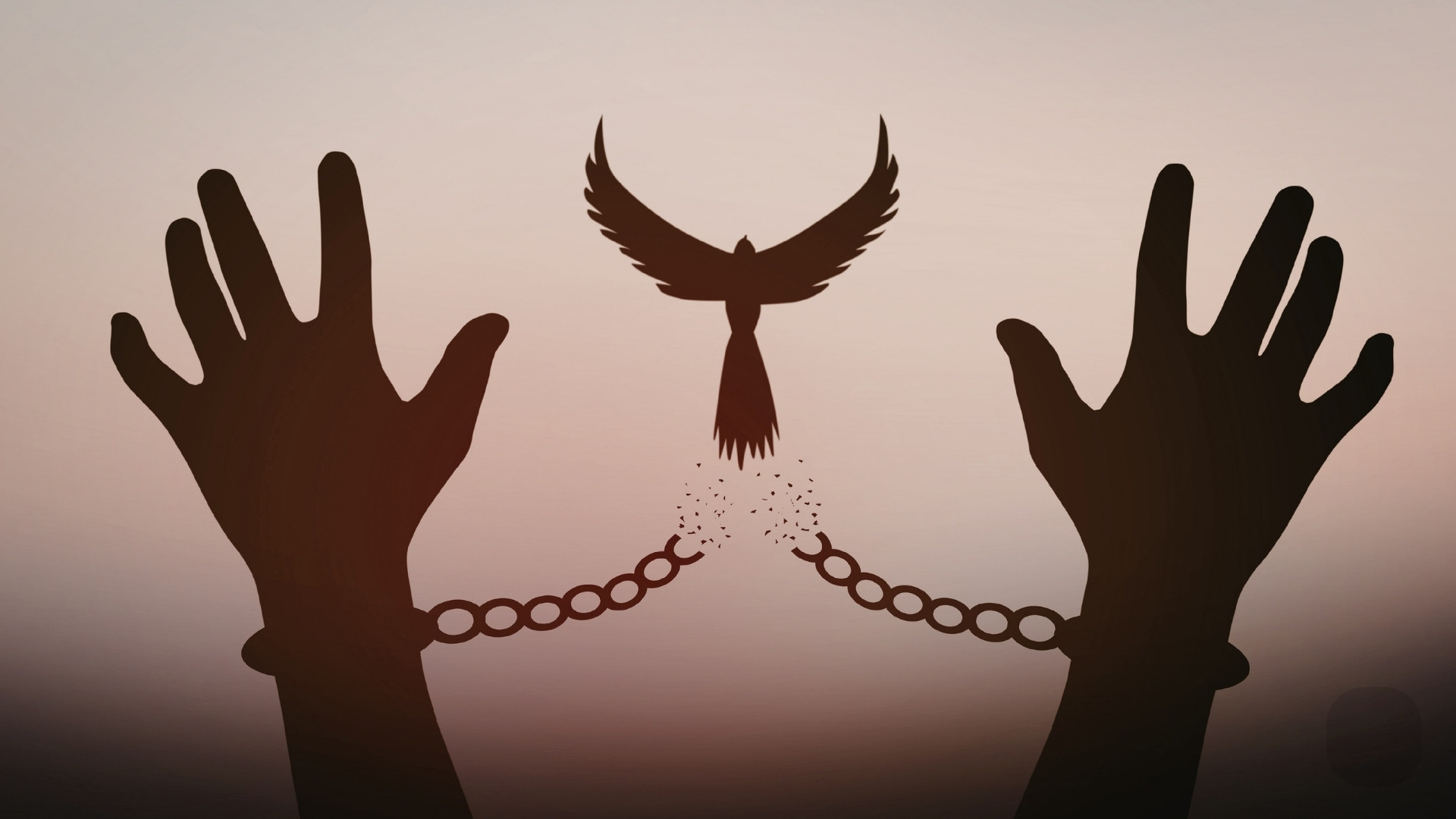
“Shake Thyself from the Dust” — Ending the Posture of Defeat
Dust in Scripture represents humiliation, mourning, death, and defeat. To sit in dust is to accept a low place as normal. God’s first instruction is posture-related: shake yourself.
Before bonds fall, mindsets must shift.
You cannot break chains while still seated in resignation. Rising is not arrogance; it is obedience. God does not command Zion to fight—He commands her to stand up. Many battles end not with warfare, but with alignment.
This is why Ephesians 6 emphasizes standing. Victory is often positional before it is confrontational.
The Bands of the Neck — Invisible but Controlling
Isaiah specifically mentions bands of the neck. The neck connects the head to the body—thought to action, belief to behavior. When the neck is bound, movement is restricted. You may still live, but you cannot turn freely. This represents:
-
Limiting beliefs
-
Fear-driven decisions
-
Trauma-based obedience
-
Religious strongholds
-
Cycles of hesitation
Neck bondage does not always stop progress; it controls direction. You move, but only within permitted angles. God’s command is clear: those bands must be burst, not adjusted.
Bursting Is Violent, Not Passive
The word sunder implies forceful separation. This is not gradual comfort; it is decisive rupture. Some bonds do not respond to counseling alone, reflection alone, or time alone. They require prophetic insistence.
Jesus echoed this truth when He said, “The kingdom of heaven suffereth violence, and the violent take it by force” (Matthew 11:12, KJV). There is a holy aggression required to step into freedom.
Bursting bonds may look like:
-
Saying “no” where you always said “yes”
-
Obeying God despite fear
-
Ending cycles God never authorized
-
Refusing to define yourself by your past
-
Speaking truth against long-held lies
Why God Commands You to Loose Yourself
God could break every chain instantly—and sometimes He does. But often, He gives commands that restore dignity and responsibility. Bondage humiliates. Bursting restores authority.
When Peter was imprisoned in Acts 12, an angel broke his chains. But Peter still had to rise, dress, and walk out. Freedom that is not walked into can be walked out of again.
God does not just want you free; He wants you aware that you are free.
Zion’s Freedom Was Timed
Isaiah 52 is a transition chapter. It comes before the great suffering servant prophecy of Isaiah 53. Liberation precedes revelation. You cannot carry fresh revelation while bound to old limitations.
This is prophetic: new seasons demand new freedom. God often commands release not because bondage is new, but because assignment is near.
If God is telling you to burst bonds now, it is because what is ahead cannot be entered restrained.
Modern Bonds That Must Be Burst
Today, many believers wear invisible chains:
These are not always sins—but they are still bonds. And God’s command remains unchanged.
You cannot negotiate with what God has commanded you to break.
Prophetic Insight
Bursting bonds is not rebellion—it is alignment. God does not command what He has not empowered. If He says arise, it means grace for rising is present. If He says loose yourself, it means authority has been restored.
Bondage survives where identity is forgotten. Freedom manifests where truth is embraced.
How to Respond to This Word
-
Identify the bond — name it honestly
-
Change posture — stop sitting where God said arise
-
Speak deliberately — freedom responds to declaration
-
Act consistently — move in the direction of liberty
-
Refuse return — don’t re-seat yourself in dust
Galatians 5:1 says, “Stand fast therefore in the liberty wherewith Christ hath made us free.” Freedom must be maintained.
Meditation Scriptures
Isaiah 52:1–2 • Luke 4:18 • John 8:36 • Galatians 5:1 • Romans 8:1–2
Prayer
Father, by Your word, I arise from the dust. I loose myself from every band that has restricted my movement, identity, and obedience. I burst every bond of fear, delay, and limitation—in Jesus’ name. I step into the freedom You have already declared. Teach me to stand, walk, and live as one who is truly free. Amen.
— When God says “burst thy bonds,” it means heaven has already withdrawn permission for captivity.